U.S. Markets Watch Fed Signals as Borrowing Costs Stay High
U.S. Markets : The U.S. financial landscape is entering a cautious phase as investors, businesses, and households closely monitor the Federal Reserve’s next move on interest rates. After a period of aggressive rate hikes aimed at controlling inflation, borrowing costs remain elevated compared with the near-zero levels Americans experienced earlier in the decade. Financial markets have been responding to every hint from policymakers, and the ripple effects are being felt across mortgages, credit cards, corporate investment decisions, and stock valuations. For millions of Americans, the question is no longer whether rates rose—it’s how long they will stay high and what that means for everyday finances.
Federal Reserve Policy Remains the Center of Market Attention
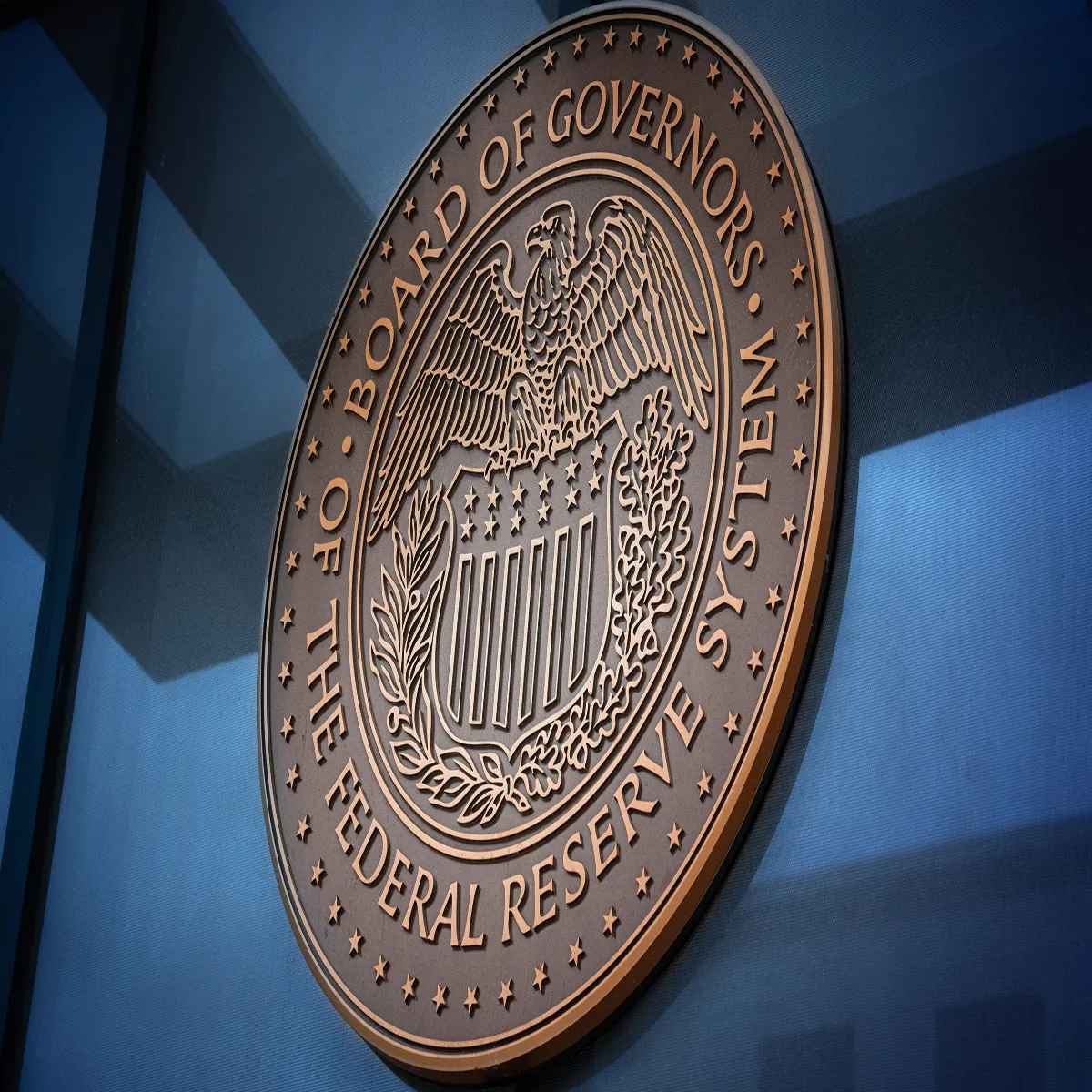
The Federal Reserve continues to play a central role in shaping the direction of the U.S. economy. Since 2022, the central bank raised its benchmark federal funds rate multiple times in an effort to cool inflation that had surged to multi-decade highs. While inflation has gradually eased from its peak, it has not fully returned to the Fed’s long-term target of around 2 percent.
Recent commentary from Federal Reserve officials suggests policymakers are carefully balancing two priorities: preventing inflation from resurging while avoiding unnecessary damage to economic growth. Investors are studying every speech, economic projection, and policy statement for clues about whether rate cuts could arrive later this year.
Financial markets have responded with cautious optimism. Bond yields, particularly the 10-year U.S. Treasury yield, have moved in response to shifting expectations about future interest rate policy. When investors believe the Fed may hold rates higher for longer, yields tend to rise. When expectations shift toward eventual rate cuts, yields typically move lower.
For households and businesses, these policy signals translate directly into borrowing costs. Mortgage rates, auto loans, and credit card interest rates often move alongside broader market expectations about the Fed’s path.
Stock Market Volatility Reflects Uncertainty About Growth
U.S. stock markets have remained resilient overall, but volatility has increased as investors reassess economic forecasts. Major indexes such as the S&P 500, Dow Jones Industrial Average, and Nasdaq Composite have experienced swings tied to economic data releases, corporate earnings reports, and Federal Reserve commentary.
Technology companies continue to dominate market performance, particularly those involved in artificial intelligence, cloud computing, and semiconductor development. Strong earnings from major tech firms have helped offset weakness in more interest-sensitive sectors like real estate and regional banking.
Market strategists say investors are adjusting portfolios to account for a prolonged period of higher interest rates. When borrowing costs rise, companies that rely heavily on cheap financing often face pressure on profits. At the same time, firms with strong cash flow and lower debt levels tend to perform better in this environment.
According to data from several Wall Street research firms, institutional investors are increasingly favoring companies with stable earnings growth, resilient demand, and pricing power. These characteristics help businesses maintain profitability even when economic conditions become more challenging.
Higher Interest Rates Continue to Affect Consumer Borrowing
American consumers are feeling the effects of higher interest rates in several key areas of personal finance. Mortgage rates, which move closely with Treasury yields, remain significantly higher than levels seen during the pandemic housing boom. As a result, housing affordability has become a growing concern in many regions of the country.
Potential homebuyers are facing a difficult trade-off: higher borrowing costs combined with still-elevated home prices in many metropolitan markets. Some homeowners are choosing to delay moving because they previously locked in lower mortgage rates, creating a supply shortage that keeps prices relatively firm.
Credit card borrowing costs have also risen sharply. Average credit card interest rates in the U.S. are now above 20 percent, according to several banking industry reports. This makes carrying balances significantly more expensive for consumers already dealing with higher living costs.
Despite these challenges, consumer spending has remained relatively strong. Retail sales data suggests households continue to spend on travel, entertainment, and services, although some economists warn that rising credit balances could eventually slow spending momentum.
Corporate America Adjusts to a New Financial Environment
Higher borrowing costs are not only affecting households—they are also reshaping corporate financial strategies. Companies that previously relied on cheap debt to fund expansion, acquisitions, or share buybacks are reassessing their capital allocation plans.
Many firms are focusing on improving operational efficiency and protecting profit margins rather than pursuing aggressive expansion. Corporate bond issuance has continued, but companies are becoming more selective about when and how they raise capital.
Large corporations with strong credit ratings remain able to access financing at relatively favorable rates compared with smaller businesses. However, smaller firms and startups are finding the lending environment more restrictive, particularly in industries that depend heavily on venture capital or speculative investment.
Economists say this shift could lead to a healthier balance between growth and financial discipline. During years of extremely low interest rates, some companies accumulated high levels of debt. A higher-rate environment encourages more careful financial management and stronger balance sheets.
Treasury Yields and Bond Markets Signal Investor Sentiment
The U.S. Treasury market often serves as a barometer for investor expectations about economic growth and inflation. Movements in Treasury yields provide insight into how investors are positioning themselves for future economic conditions.
When investors anticipate stronger growth or persistent inflation, yields generally rise. When economic uncertainty increases, demand for safe assets like Treasuries typically pushes yields lower.
In recent months, the yield curve has remained closely watched by economists. At times, the curve has shown signs of inversion—when short-term yields exceed long-term yields—a pattern historically associated with economic slowdowns or recessions.
While the relationship is not perfectly predictive, the yield curve remains one of the most closely monitored indicators on Wall Street. Investors, policymakers, and analysts continue to evaluate whether current bond market signals point toward a cooling economy or simply a transition to a more sustainable growth pace.
What Investors and Consumers Are Watching Next
Looking ahead, several economic indicators will play a crucial role in shaping the financial outlook. Inflation data, employment reports, consumer spending trends, and corporate earnings will all influence how the Federal Reserve evaluates its next policy steps.
Financial analysts say the trajectory of inflation remains the most important variable. If price pressures continue to ease, policymakers may have room to gradually reduce interest rates. If inflation proves stubborn, the Fed could maintain restrictive policy for longer than markets currently expect.
For everyday Americans, the outcome will influence mortgage affordability, loan rates, investment returns, and retirement savings performance. For investors, the coming months could define the next phase of the U.S. economic cycle.
As markets absorb new data and policy signals, the financial system appears to be adjusting to a reality very different from the ultra-low-rate era that dominated the previous decade. Stability may return, but the transition period is likely to keep markets, policymakers, and consumers watching every economic signal with renewed attention.