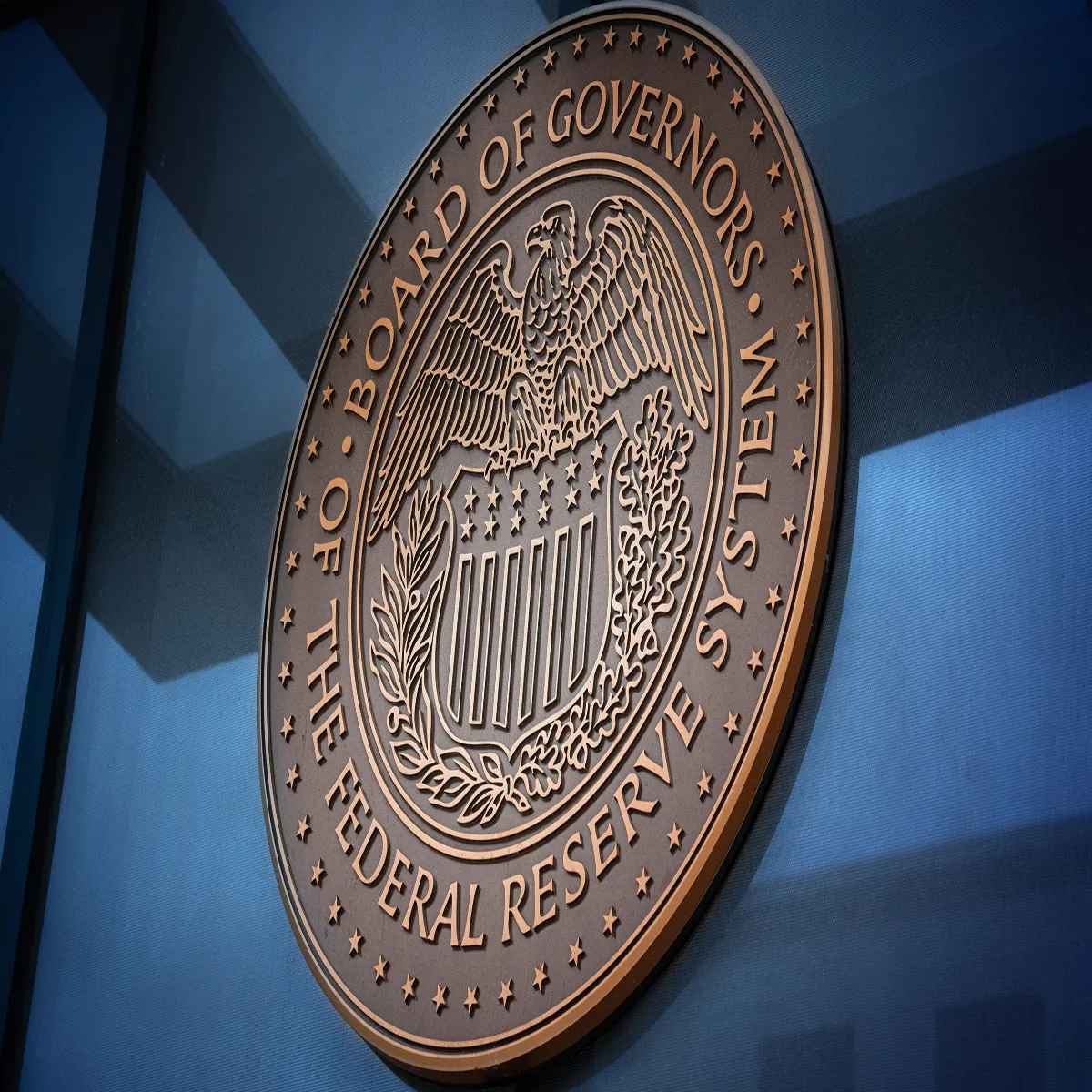
U.S. Inflation Cools Slightly as Fed Signals Cautious Rate Path Ahead
U.S. Inflation – The latest U.S. inflation data is offering a mixed but cautiously optimistic picture for households, businesses, and investors. According to the most recent Consumer Price Index (CPI) report, inflation has eased compared to last year’s highs, but price pressures remain persistent in key sectors such as housing, healthcare, and services. For millions of Americans tracking interest rates, mortgage costs, and everyday expenses, this signals that while relief may be on the horizon, the road to price stability is far from over.
Inflation Data Shows Gradual Cooling, Not a Sharp Drop
The Bureau of Labor Statistics reported that annual inflation has slowed compared to previous peaks, reflecting the impact of tighter monetary policy over the past two years. However, the decline has been gradual rather than dramatic. Core inflation—which excludes volatile food and energy prices—continues to hover above the Federal Reserve’s 2% target, suggesting underlying price pressures remain embedded in the economy.
Economists point out that categories like shelter and services are proving “sticky,” meaning prices are not falling as quickly as expected. Rent costs, in particular, continue to weigh heavily on overall inflation figures. While energy prices have stabilized and even declined in some regions, these gains are being offset by rising costs in other areas of daily spending.
Federal Reserve Maintains Careful Approach to Interest Rates
In response to the evolving inflation landscape, the Federal Reserve has adopted a cautious stance on future interest rate decisions. Fed officials have indicated they are not in a rush to cut rates, emphasizing the need for sustained evidence that inflation is moving consistently toward target levels.
Chair Jerome Powell recently reiterated that while progress has been made, premature easing could risk reigniting inflationary pressures. This means borrowing costs—including credit cards, auto loans, and mortgages—are likely to remain elevated in the near term. Financial markets, however, are still pricing in potential rate cuts later in the year, depending on how economic data unfolds.
Impact on Mortgage Rates and Housing Market
The housing market remains one of the most sensitive sectors to interest rate policy. Mortgage rates, which surged over the past year, have shown slight signs of stabilization but remain significantly higher than pandemic-era lows. For prospective homebuyers, affordability continues to be a major challenge.
High borrowing costs, combined with limited housing supply, have kept home prices relatively elevated despite slower sales activity. Industry analysts note that while some buyers are returning to the market, many are still waiting for clearer signals on rate cuts before making long-term commitments.
Stock Market प्रतिक्रिया: Mixed Signals for Investors
U.S. stock markets have responded cautiously to the latest inflation data and Fed commentary. Major indices have shown volatility as investors weigh the possibility of prolonged higher interest rates against improving economic resilience.
Growth stocks, particularly in the technology sector, tend to be more sensitive to interest rate expectations and have experienced fluctuations as a result. Meanwhile, sectors such as energy and financials have shown relative strength, benefiting from stable demand and higher interest margins.
Market analysts suggest that investors are entering a “data-dependent phase,” where each economic report—whether related to inflation, jobs, or consumer spending—has the potential to shift market sentiment significantly.
Consumer Spending Remains Resilient Despite Pressure
Despite ongoing inflation concerns, consumer spending in the U.S. has remained surprisingly strong. Retail sales data indicates that Americans are still willing to spend, particularly on services such as travel, dining, and entertainment.
However, there are signs of changing behavior. Households are becoming more selective, prioritizing essential purchases and seeking value through discounts and promotions. Credit card usage has also increased, raising concerns about rising household debt levels in a high-interest-rate environment.
Financial experts warn that while current spending levels support economic growth, sustained pressure from high borrowing costs could eventually lead to a slowdown.
Labor Market Stability Adds Complexity to Fed Decisions
One of the key factors complicating the Federal Reserve’s decision-making is the continued strength of the U.S. labor market. Unemployment remains relatively low, and job creation has exceeded expectations in several recent reports.
Wage growth, while moderating slightly, is still contributing to overall inflation dynamics. A strong labor market supports consumer spending but also risks keeping inflation elevated if demand continues to outpace supply.
This balancing act—between maintaining employment levels and controlling inflation—is at the core of the Fed’s cautious strategy.
Outlook: What to Watch in the Coming Months
Looking ahead, several key indicators will shape the trajectory of the U.S. economy and financial markets. Upcoming inflation reports, employment data, and consumer sentiment surveys will play a crucial role in determining whether the Federal Reserve begins to ease its policy stance.
Geopolitical factors, energy prices, and global supply chain conditions will also influence inflation trends. Any unexpected shocks could quickly alter the current outlook.
For now, the consensus among economists is that the U.S. is moving in the right direction—but at a slower pace than many had hoped. The path toward stable prices and lower interest rates is likely to be gradual, requiring patience from both policymakers and the public.