US Inflation Cools as Federal Reserve Signals Rate Pause Ahead
U.S. inflation showed further signs of cooling this month, strengthening expectations that the Federal Reserve may hold interest rates steady at its upcoming policy meeting. Fresh data from the Bureau of Labor Statistics indicated that consumer prices rose at a slower annual pace compared to earlier this year, offering relief to households and investors who have navigated two years of elevated borrowing costs. While inflation remains above the Fed’s long-term 2% target, the latest numbers suggest that aggressive monetary tightening may finally be delivering the intended results across key sectors of the economy.

Inflation Data Signals Gradual Progress
The latest Consumer Price Index (CPI) report revealed that annual inflation eased to 2.9%, down from 3.2% in the previous reading. On a month-over-month basis, prices increased modestly, largely driven by shelter and energy costs. Core inflation, which excludes volatile food and energy prices, also edged lower, reinforcing the narrative that price pressures are gradually stabilizing.
Housing continues to be a major contributor to overall inflation, though rental growth has begun to moderate in several metropolitan markets. Energy prices, which had spiked earlier this year due to global supply concerns, have stabilized as oil production increases and geopolitical tensions ease slightly. Grocery prices remain elevated compared to pre-pandemic levels, but the pace of increases has slowed significantly.
Economists caution that while the trend is encouraging, one or two favorable reports do not guarantee a sustained downward path. Inflation data remains sensitive to global supply chains, labor market conditions, and consumer demand patterns heading into the second half of the year.
Federal Reserve Signals Potential Rate Pause
In response to easing inflationary pressure, Federal Reserve officials have indicated they may pause further interest rate hikes. The central bank has raised rates aggressively since 2022 in an effort to tame runaway inflation, pushing the federal funds rate to its highest level in over two decades.
Recent statements from Fed policymakers emphasize a “data-dependent” approach. Officials are closely monitoring labor market strength, wage growth, and consumer spending before making their next move. A pause would not necessarily signal rate cuts in the immediate future but rather provide time to assess the cumulative impact of previous tightening measures.
Financial markets have reacted positively to the prospect of stable rates. Treasury yields dipped slightly following the CPI release, while major stock indexes posted moderate gains. Investors appear to be pricing in a higher likelihood that borrowing costs have peaked for this cycle.
Impact on Mortgage Rates and Housing Market
Mortgage rates, which closely track Treasury yields, have fluctuated in recent weeks but remain elevated compared to historical norms. The average 30-year fixed mortgage rate is hovering around 6.7%, according to Freddie Mac. Although this is lower than last year’s highs, affordability remains a significant challenge for first-time homebuyers.
A sustained pause in rate hikes could help stabilize mortgage rates and boost housing demand. However, inventory shortages continue to constrain supply, keeping home prices relatively firm in many regions. Builders have reported cautious optimism, noting a slight uptick in buyer inquiries as rate volatility decreases.
For homeowners considering refinancing, the current environment presents mixed signals. While rates are no longer climbing sharply, they have not fallen enough to trigger widespread refinancing activity. Many borrowers are waiting for clearer guidance from the Fed before making major financial decisions.
Consumer Spending Remains Resilient
Despite higher borrowing costs, consumer spending has shown surprising resilience. Retail sales data indicates steady growth in discretionary categories such as travel, dining, and entertainment. Credit card usage remains elevated, though delinquency rates are gradually ticking upward, suggesting some households are feeling financial strain.
Wage growth has moderated but remains above inflation in several sectors, providing modest real income gains for workers. The labor market continues to demonstrate strength, with unemployment holding near historic lows. This balance—cooling inflation alongside solid employment—represents the scenario policymakers have aimed to achieve.
However, analysts warn that consumer savings accumulated during pandemic stimulus programs have largely diminished. If job growth slows or interest rates remain high for an extended period, spending could weaken later in the year.
Stock Market Response and Investor Outlook
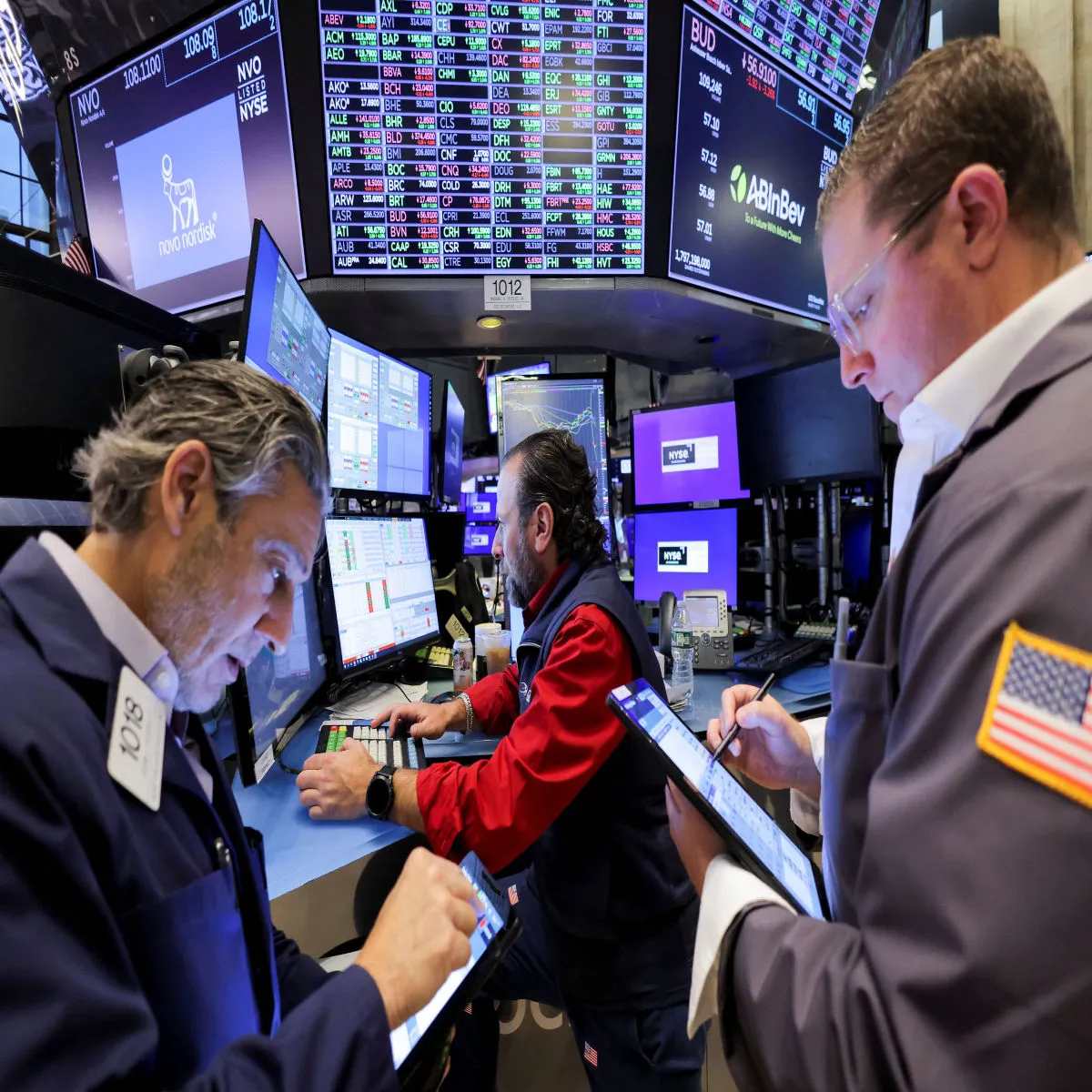
Wall Street has interpreted the cooling inflation data as a positive development. The S&P 500 and Nasdaq Composite both recorded gains following the report, reflecting optimism that corporate earnings may stabilize as input costs decline. Technology and consumer discretionary stocks led the rally, sectors that are particularly sensitive to interest rate expectations.
Bond markets also adjusted, with shorter-term yields declining as traders recalibrated forecasts for future Fed actions. Market participants are now assigning a higher probability to a rate hold at the next Federal Open Market Committee (FOMC) meeting.
Still, volatility remains a factor. Investors are closely watching upcoming economic releases, including employment data and producer price figures, for confirmation that inflation is sustainably trending lower.
What This Means for American Households
For everyday Americans, the cooling inflation trend offers cautious relief. While prices are not falling across the board, the slower pace of increases helps ease pressure on household budgets. Lower inflation can also support improved purchasing power if wage growth remains steady.
Borrowers may benefit from stabilized interest rates on auto loans and credit products, though rates remain elevated compared to pre-2022 levels. Savers, on the other hand, continue to enjoy relatively higher yields on savings accounts and certificates of deposit as banks compete for deposits in a higher-rate environment.
Financial advisors recommend maintaining diversified investment portfolios and avoiding abrupt changes based solely on short-term data. Economic cycles can shift quickly, and sustained progress requires consistent improvement across multiple indicators.
Broader Economic Outlook for 2026
Looking ahead, economists project moderate economic growth for the remainder of the year. The risk of a severe recession appears lower than earlier forecasts suggested, though growth is expected to slow compared to the post-pandemic rebound period.
Global economic conditions, including energy markets and international trade dynamics, will continue to influence domestic inflation trends. Additionally, fiscal policy decisions in Washington could shape future consumer confidence and spending patterns.
For now, the combination of easing inflation and stable employment paints a cautiously optimistic picture. Whether this momentum continues will depend largely on how effectively policymakers balance inflation control with sustainable economic growth