U.S. Education System Faces New Shift as Federal Policies and AI Integration Reshape Classrooms
U.S. Education System – The American education landscape is undergoing a significant transformation in 2026, driven by evolving federal policies, rapid advancements in artificial intelligence, and growing concerns over student performance. Schools, colleges, and policymakers across the United States are adapting to a new reality where technology, funding priorities, and workforce readiness are more interconnected than ever before.

Federal Education Policy Signals a Strategic Shift
Recent updates from the U.S. Department of Education indicate a stronger focus on career readiness and skills-based learning. Federal funding initiatives are increasingly being directed toward programs that align education with labor market demands, particularly in technology, healthcare, and clean energy sectors.
According to data released in early 2026, nearly 62% of new federal education grants are now tied to workforce development programs. This marks a notable shift from traditional academic funding models, which historically prioritized standardized curricula over practical skills.
Education Secretary Miguel Cardona emphasized in a recent briefing that “the future of American competitiveness depends on how well we prepare students for real-world challenges, not just exams.” This approach is gaining bipartisan support, especially as industries report ongoing talent shortages in critical sectors.
AI Integration Becomes Central to Classroom Learning
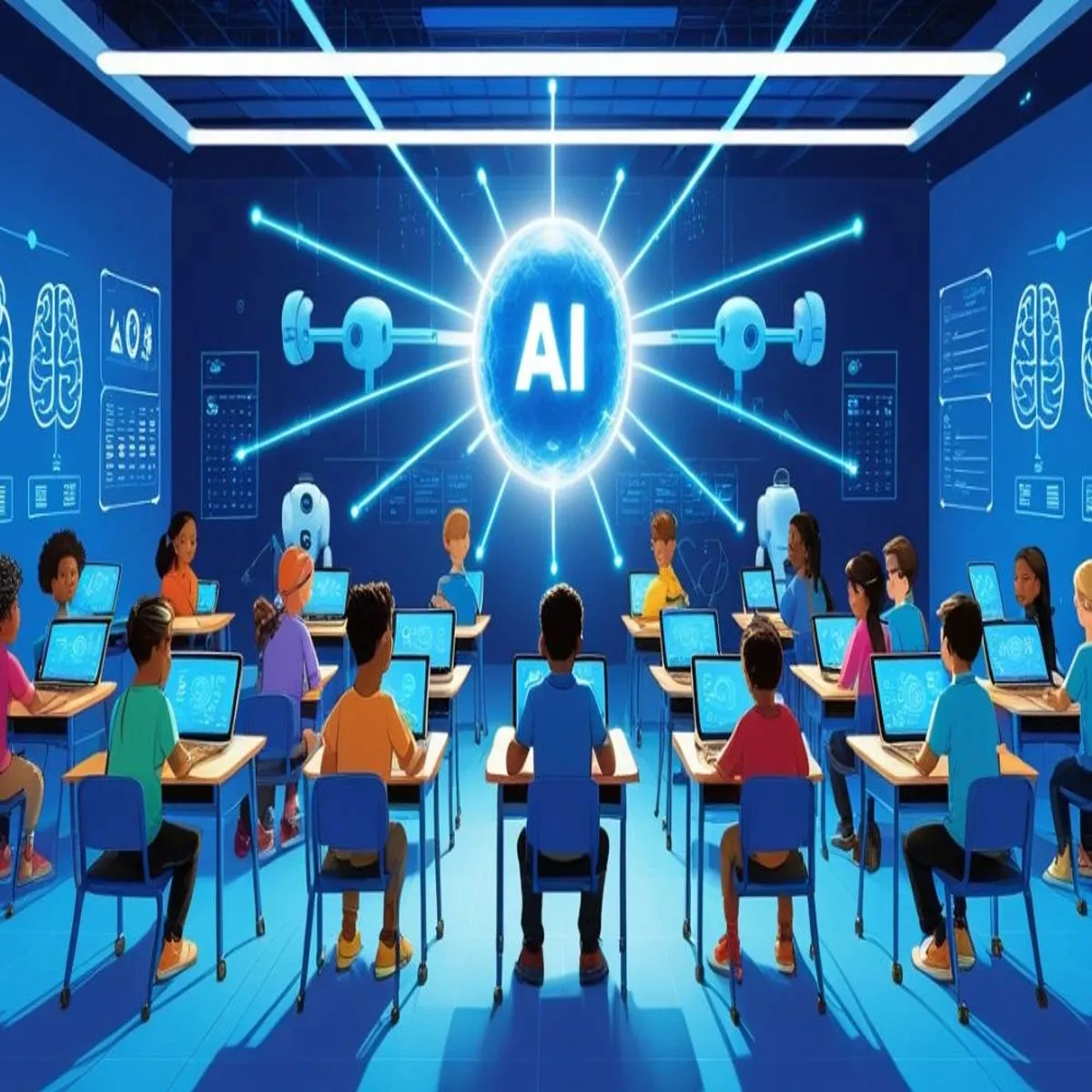
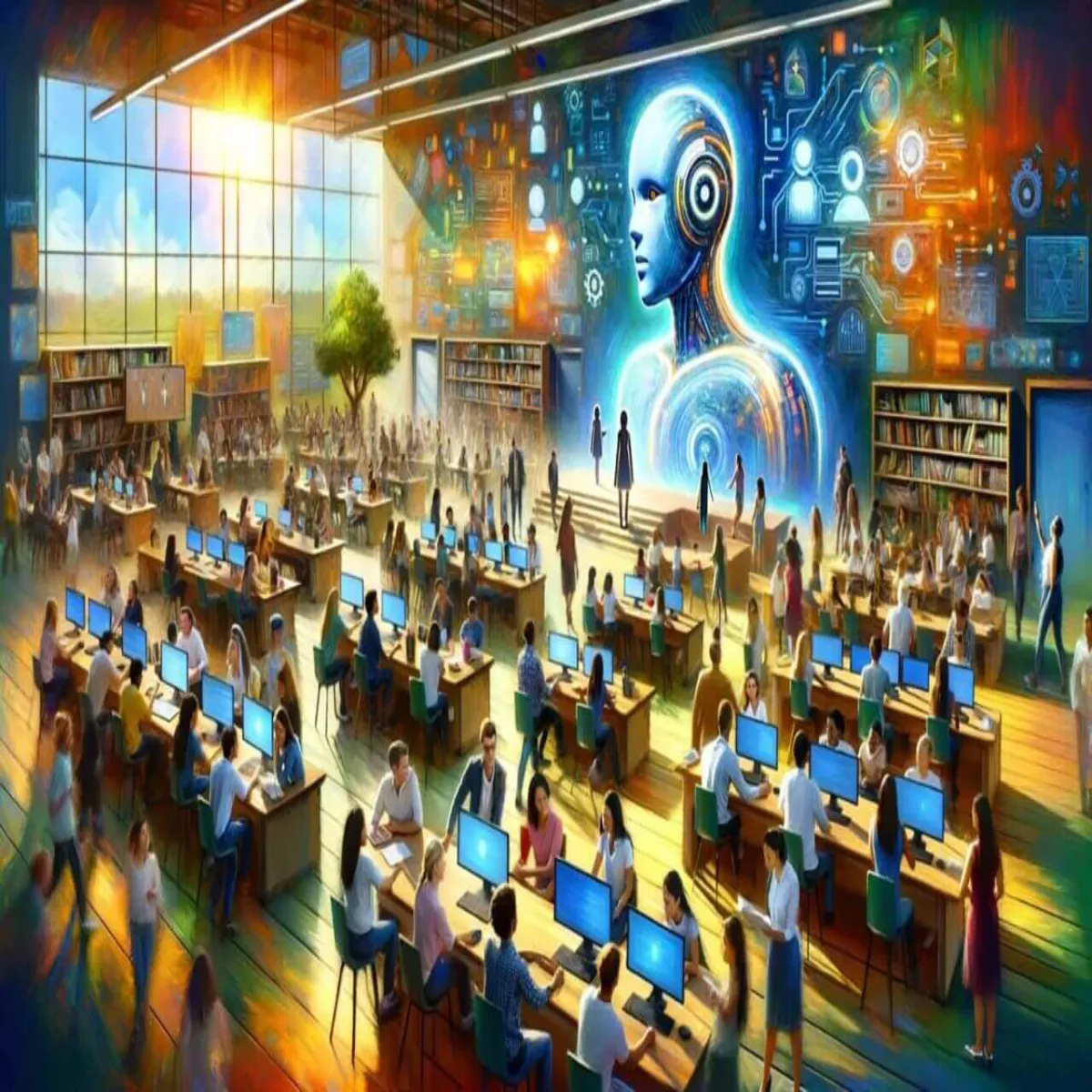
Artificial intelligence is no longer a futuristic concept in U.S. classrooms—it is becoming a daily learning tool. From personalized tutoring systems to automated grading platforms, AI is reshaping how students interact with educational content.
A 2025 report by the National Center for Education Statistics (NCES) found that over 48% of public schools have already implemented some form of AI-based learning technology. This number is expected to exceed 70% by 2027 as schools continue to adopt adaptive learning platforms.
Teachers are also being trained to integrate AI responsibly. While some educators initially expressed concern about over-reliance on technology, many now see it as a tool that enhances, rather than replaces, traditional teaching methods. For example, AI-driven analytics can help teachers identify learning gaps in real time, allowing for more targeted instruction.
Student Performance Data Raises Concerns Nationwide
Despite technological advancements, recent student performance data has raised red flags. Standardized test scores in reading and math have shown only modest recovery since the pandemic-era decline.
The latest NAEP (National Assessment of Educational Progress) results reveal that only 34% of eighth-grade students are proficient in math, while reading proficiency remains below pre-2020 levels. Experts point to multiple factors, including learning loss, mental health challenges, and uneven access to quality education.
Education analysts warn that without targeted intervention, these gaps could widen further. Schools in lower-income districts continue to face resource constraints, even as federal funding increases. This has reignited debates around equitable education access and funding distribution.
Higher Education Enrollment Trends Show Mixed Signals
Colleges and universities across the U.S. are experiencing a complex enrollment landscape. While some institutions report stabilization after years of decline, others—particularly smaller private colleges—are still struggling to attract students.
According to the National Student Clearinghouse, undergraduate enrollment increased by 1.2% in Fall 2025, marking the first notable uptick in nearly a decade. However, this growth is uneven, with community colleges seeing stronger gains compared to four-year institutions.
Experts attribute this trend to rising tuition costs and a growing preference for shorter, career-focused programs. Many students are opting for certifications and associate degrees that offer quicker entry into the workforce.
EdTech Investment Surges as Demand for Digital Learning Grows
The education technology sector continues to attract significant investment in the U.S. Venture capital funding for EdTech startups reached approximately $8.5 billion in 2025, reflecting strong demand for digital learning solutions.
Companies are focusing on areas such as virtual classrooms, AI tutoring, and data-driven learning platforms. This surge is not limited to K-12 education; higher education institutions and corporate training programs are also driving demand.
Industry experts note that the EdTech boom is being fueled by both necessity and opportunity. As schools seek scalable solutions to address learning gaps and teacher shortages, technology providers are stepping in with innovative tools.
Teacher Workforce Challenges Persist Across States
Teacher shortages remain a pressing issue in many parts of the United States. States like California, Texas, and Florida continue to report high vacancy rates, particularly in STEM subjects and special education.
A 2026 survey by the Learning Policy Institute found that nearly 1 in 5 schools started the academic year with at least one unfilled teaching position. Factors contributing to this shortage include burnout, low salaries, and increasing job demands.
Efforts are underway to address the issue, including loan forgiveness programs, salary increases, and alternative certification pathways. However, experts caution that long-term solutions will require systemic changes to improve teacher retention and job satisfaction.
Focus on Mental Health and Student Well-Being Intensifies
In recent years, student mental health has become a central focus in U.S. education policy. Schools are expanding access to counseling services and implementing social-emotional learning (SEL) programs.
The Centers for Disease Control and Prevention (CDC) reports that nearly 42% of high school students experienced persistent feelings of sadness or hopelessness in 2025. This has prompted schools to prioritize mental health support alongside academic achievement.
Districts are increasingly partnering with mental health professionals and community organizations to provide comprehensive support systems. These initiatives aim to create a more holistic approach to education, recognizing that student well-being is closely tied to academic success.
Conclusion: A Transformative Era for U.S. Education
The U.S. education system is at a pivotal moment, shaped by policy changes, technological innovation, and evolving societal needs. While challenges such as student performance gaps and teacher shortages persist, new opportunities are emerging through AI integration and workforce-aligned learning.
As schools continue to adapt, the focus remains on preparing students not just for academic success, but for a rapidly changing world. The coming years will likely determine how effectively these reforms translate into long-term improvements in educational outcomes across the country.