
CollegeAdmissions – U.S. Universities Expand Flexible Degree Programs for 2026
CollegeAdmissions – American colleges and universities are reshaping degree programs as student expectations, workforce demands, and financial pressures continue to transform higher education. Across the country, institutions are rolling out more flexible academic pathways designed to attract students who want practical career preparation without committing to traditional four-year schedules.
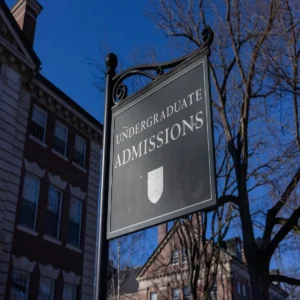
Several public and private universities announced new initiatives this spring focused on shorter degree timelines, hybrid learning models, and expanded credit-transfer options. Education leaders say the changes reflect growing concerns about college affordability, student debt, and declining enrollment trends in some regions of the United States.
According to data released by the National Student Clearinghouse Research Center, undergraduate enrollment showed modest improvement in early 2026 after several years of fluctuation. Analysts believe schools that adapt quickly to changing student needs are more likely to see long-term growth.
Flexible Learning Models Gain Momentum
One of the biggest shifts happening across higher education involves flexible scheduling. Universities are increasing evening classes, online programs, and accelerated degree tracks to accommodate working adults and nontraditional students.
Institutions in states including Texas, Florida, California, and Ohio have recently expanded hybrid programs that allow students to complete portions of their coursework remotely while attending in-person sessions for labs, networking events, and hands-on projects.
Education experts say flexibility has become one of the most important factors influencing enrollment decisions. Many students are balancing jobs, internships, or family responsibilities while pursuing degrees. Schools that provide adaptable learning structures are seeing stronger engagement and improved retention rates.
Community colleges are also playing a larger role in this transition. Partnerships between two-year and four-year institutions are helping students transfer credits more smoothly, reducing both completion time and tuition costs.
Career-Focused Degrees Attract More Students
Universities are increasingly prioritizing degree programs tied directly to employment opportunities. Fields such as healthcare, cybersecurity, artificial intelligence, data analytics, business management, and renewable energy continue to attract high student interest.
Several colleges have introduced “career-ready” curriculums that combine academic instruction with internships, certifications, and employer partnerships. Administrators say students and parents are placing greater emphasis on return on investment when choosing colleges.
A recent survey from the Education Policy Institute found that many high school seniors now rank job placement outcomes above campus amenities when comparing schools. This trend has pushed institutions to strengthen relationships with employers and redesign programs around evolving labor market needs.
Some universities are also embedding industry-recognized credentials into undergraduate degrees, allowing graduates to enter the workforce with both academic qualifications and technical certifications.
Student Debt Concerns Continue To Shape Decisions
Rising tuition costs remain a major concern for families across the United States. Even as inflation pressures ease slightly compared to previous years, many students continue to question whether traditional college pathways are financially sustainable.
In response, universities are increasing scholarship opportunities and expanding tuition assistance programs. Several state systems have introduced tuition guarantees that lock in rates for incoming students over four years.
Financial aid offices are also reporting higher demand for guidance related to federal student loan repayment plans. The Education Department has continued adjusting repayment structures aimed at helping borrowers manage long-term debt obligations more effectively.
Experts say affordability conversations are likely to remain central to higher education policy discussions heading into the next academic year.
Technology Is Changing The Classroom Experience
Artificial intelligence and digital learning tools are becoming more common inside American classrooms. Universities are exploring how AI can support tutoring, research assistance, and personalized learning while also developing policies around academic integrity and responsible technology use.
Faculty members at several institutions have begun incorporating AI literacy into coursework, especially in business, computer science, journalism, and communications programs. Education leaders believe students entering the workforce will need a stronger understanding of how emerging technologies impact modern industries.
At the same time, universities are investing in cybersecurity protections as digital platforms become more integrated into campus operations. Schools are increasing training efforts to help students identify online threats and protect personal data.
Mental Health Services Remain A Priority
Student mental health continues to be a major focus area for colleges nationwide. Counseling centers at many universities report sustained demand for mental health services, particularly among first-year students and those transitioning back to campus life after extended remote learning experiences.
Schools are expanding wellness programs, peer-support initiatives, and telehealth counseling options to improve accessibility. Administrators say emotional well-being has become closely connected to academic performance and student retention.
Some universities have also introduced mental health days and stress-management workshops during exam periods. Experts believe campuses that prioritize student support systems may see stronger academic outcomes and overall student satisfaction.
Higher Education Faces A Period Of Long-Term Change
Education analysts say the current transformation in higher education reflects deeper shifts in how Americans view college value and career preparation. Traditional degree models are no longer the only path students are considering.
As universities compete for enrollment and adapt to economic realities, institutions that offer affordability, flexibility, and workforce relevance are expected to remain more competitive in the years ahead.
While challenges around tuition costs and demographic changes persist, many educators believe innovation across the sector could create more accessible opportunities for future students.