
Crypto Markets Hold Investor Focus as US Regulation and ETF Demand Evolve
Crypto Markets – The cryptocurrency market remains a major area of interest for U.S. investors as digital assets continue to move closer to mainstream finance. Bitcoin, Ethereum, and other leading cryptocurrencies have attracted attention from both institutional and retail participants, driven by growing adoption, expanding investment products, and ongoing regulatory developments in the United States. Market analysts note that crypto assets are no longer viewed solely as speculative instruments; they are increasingly being discussed alongside traditional investment categories such as stocks, bonds, and commodities.
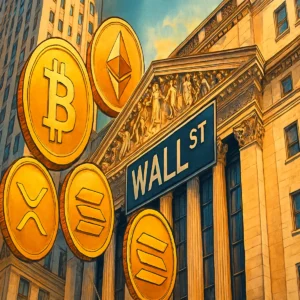
Bitcoin Continues to Lead Market Activity
Bitcoin remains the largest cryptocurrency by market capitalization and continues to serve as the primary indicator of broader crypto market sentiment. U.S.-listed spot Bitcoin exchange-traded funds (ETFs) have played a significant role in increasing access to the asset for investors who prefer regulated investment vehicles over direct cryptocurrency ownership.
Financial institutions and asset managers have continued to monitor inflows into crypto-related investment products. Analysts say ETF participation has contributed to greater market visibility and has encouraged more traditional investors to consider digital assets as part of diversified portfolios. While volatility remains a defining characteristic of Bitcoin, many market participants view institutional involvement as a sign of increasing market maturity.
Ethereum and Blockchain Ecosystems Gain Attention
Ethereum has also remained a key focus for investors due to its role in supporting decentralized applications, smart contracts, and blockchain-based financial services. Unlike Bitcoin, which is primarily viewed as a digital store of value, Ethereum supports a broader ecosystem of technology projects and decentralized finance platforms.
Developers, technology firms, and financial institutions continue to explore blockchain applications that extend beyond cryptocurrency trading. Industry observers point to tokenization, digital identity solutions, and settlement systems as areas where blockchain technology may have long-term economic significance. These developments have helped maintain investor interest even during periods of market uncertainty.
Regulatory Developments Remain a Major Market Driver
Regulation continues to be one of the most closely watched factors affecting the U.S. cryptocurrency industry. Federal agencies, lawmakers, and market participants have engaged in ongoing discussions regarding oversight, consumer protection, and market transparency.
Industry leaders have frequently called for clearer regulatory frameworks that define how different digital assets should be classified and supervised. Supporters argue that greater clarity could encourage innovation while improving investor confidence. At the same time, regulators have emphasized the importance of addressing risks related to fraud, cybersecurity, and market manipulation.
Market reactions often reflect changes in regulatory expectations, making policy developments an important consideration for both short-term traders and long-term investors.
Institutional Interest Shows Signs of Staying Power
One of the most notable trends in recent years has been the increasing involvement of institutional investors in cryptocurrency markets. Pension funds, hedge funds, asset managers, and publicly traded companies have explored various forms of exposure to digital assets.
Financial experts note that institutional participation can contribute to improved liquidity and broader market acceptance. While institutional investment does not eliminate volatility, it can influence trading behavior and market structure. Many firms are also investing in blockchain infrastructure, custody services, and compliance tools designed to support digital asset operations.
The growing presence of large financial organizations suggests that cryptocurrencies are becoming a more permanent component of discussions surrounding modern investment strategies.
Market Volatility Continues to Shape Investor Decisions
Despite signs of growth and adoption, cryptocurrency markets remain highly volatile. Price movements can be influenced by macroeconomic conditions, interest rate expectations, geopolitical events, regulatory announcements, and shifts in investor sentiment.
Financial advisers often recommend that investors carefully evaluate their risk tolerance before allocating capital to digital assets. Diversification, long-term planning, and disciplined investment strategies remain common recommendations among market professionals.
The rapid pace of market changes means that investors frequently monitor economic indicators and policy developments alongside cryptocurrency-specific news. This environment has created opportunities for gains but has also highlighted the importance of risk management.
Competition Expands Across the Digital Asset Sector
Beyond Bitcoin and Ethereum, the broader cryptocurrency sector continues to evolve. Stablecoins, blockchain infrastructure projects, decentralized finance platforms, and tokenized asset initiatives have attracted attention from investors and technology companies alike.
Stablecoins, in particular, remain an important area of focus because of their potential role in digital payments and financial transactions. Policymakers and industry participants continue to debate the regulatory standards that should apply to these assets, given their growing use within the digital economy.
Competition among blockchain networks has also intensified as projects seek to improve transaction speeds, scalability, security, and user experience. These innovations continue to shape the future direction of the crypto industry.
What US Investors Are Watching Next
Looking ahead, U.S. investors are expected to closely follow regulatory decisions, ETF performance, institutional adoption trends, and broader economic conditions. Market participants are also monitoring advancements in blockchain technology that could expand real-world use cases for digital assets.
While opinions remain divided regarding the long-term valuation of cryptocurrencies, there is broad agreement that digital assets have become an important part of the global financial conversation. As the industry continues to mature, investors are likely to remain focused on developments that affect transparency, accessibility, and market stability.
The cryptocurrency sector still faces challenges, including regulatory uncertainty and price volatility, but its influence on financial markets continues to grow. For many investors, the coming months may provide important signals about how digital assets will fit into the future of finance in the United States.