
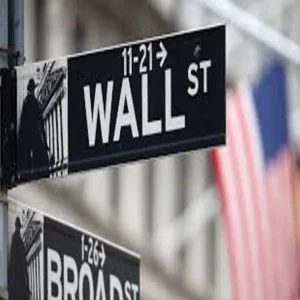
Wall Street Rallies as Inflation Eases and Fed Signals Patience
Wall Street Rallies: U.S. financial markets moved higher this week after fresh economic data showed inflation cooling slightly while job growth remained resilient, reinforcing expectations that the Federal Reserve will hold interest rates steady in the near term. Investors responded positively to the latest Consumer Price Index (CPI) and labor market figures, viewing them as signs that the economy is stabilizing without tipping into recession. The S&P 500 and Nasdaq Composite both posted modest gains, while Treasury yields edged lower as bond markets priced in a more patient Federal Reserve stance.
Inflation Data Shows Gradual Cooling Trend
The most recent inflation report from the Bureau of Labor Statistics indicated that price pressures continue to ease compared to last year’s peak levels. Core inflation, which excludes volatile food and energy prices, rose at a slower pace than many analysts had anticipated. While prices remain elevated compared to pre-pandemic levels, the steady moderation has strengthened the narrative that inflation is moving closer to the Federal Reserve’s 2% target.
Economists note that shelter costs remain one of the stickier components of inflation, but improvements in supply chains and softer goods prices have helped offset some of the upward pressure. For American consumers, this translates into more stable grocery and fuel prices, even as housing and services continue to strain household budgets. Market participants interpreted the data as supportive of a “soft landing” scenario—where inflation cools without triggering a sharp economic slowdown.
Federal Reserve Signals a Wait-and-See Approach
Federal Reserve officials have reiterated in recent public comments that policy decisions will remain data-dependent. With benchmark interest rates already at multi-year highs, policymakers appear cautious about making further moves until there is clearer evidence of sustained inflation control.
Minutes from the latest Federal Open Market Committee (FOMC) meeting revealed broad agreement among policymakers that maintaining current rates for longer may be appropriate. Analysts say this steady approach gives businesses and consumers time to adjust to tighter financial conditions while reducing the risk of overtightening.
Traders in the futures market are now pricing in a higher probability that the Fed will begin considering rate cuts later in the year, provided inflation continues to trend downward. However, officials have stopped short of signaling a specific timeline, emphasizing that economic resilience could delay any policy shifts.
Stock Market Reacts with Cautious Optimism
Equity markets responded with measured gains following the economic releases. Technology and growth stocks, which are particularly sensitive to interest rate expectations, led the rally. Lower Treasury yields tend to support higher valuations in these sectors, as future earnings become more attractive relative to fixed-income returns.
Financial stocks also saw increased investor interest, reflecting confidence in the broader stability of the U.S. banking system. Meanwhile, defensive sectors such as utilities and consumer staples posted smaller movements, suggesting that investors are gradually rotating toward growth-oriented opportunities.
Market strategists caution that volatility could return if upcoming data contradicts the current disinflation narrative. Still, the prevailing sentiment suggests that investors believe the economy remains on solid footing.
Labor Market Remains a Key Pillar of Strength
The latest employment report showed steady job creation across several sectors, including healthcare, professional services, and construction. While hiring has cooled compared to the rapid expansion seen in previous years, unemployment remains historically low.
Wage growth has also moderated slightly, easing fears of a wage-price spiral that could reignite inflation. For households, stable employment conditions support consumer spending, which accounts for roughly two-thirds of U.S. economic activity.
Economists argue that the balance between moderating wage gains and stable job growth is critical. If wages rise too quickly, inflation could resurface; if job growth slows sharply, recession risks would increase. For now, the data suggests a relatively balanced environment.
Treasury Yields Reflect Shifting Expectations
U.S. Treasury yields declined modestly following the inflation release, signaling that bond investors expect fewer rate hikes and possibly rate cuts later in the year. The 10-year Treasury yield, a key benchmark for mortgages and other loans, moved lower, offering potential relief for homebuyers and borrowers.
Mortgage rates, which have hovered near multi-year highs, could gradually decline if bond yields continue to ease. This development would be welcomed by the housing market, where affordability challenges have weighed heavily on sales activity.
Financial advisors recommend that investors monitor yield movements closely, as they often provide early signals about economic expectations and Federal Reserve policy direction.
Consumer Spending Trends Show Resilience
Retail sales data indicates that American consumers remain active despite higher borrowing costs. While discretionary spending has slowed compared to earlier post-pandemic surges, essentials and services continue to see steady demand.
Credit card balances have increased modestly, reflecting both higher prices and sustained consumer activity. Analysts emphasize that household balance sheets remain relatively healthy overall, supported by job stability and accumulated savings.
However, there are signs that consumers are becoming more price-conscious. Retailers have reported stronger performance in discount and value segments, suggesting a shift toward budget-friendly options as inflation’s lingering effects continue to shape purchasing decisions.
What Investors Should Watch Next
Looking ahead, upcoming data releases on producer prices, housing starts, and consumer sentiment will provide additional clues about the trajectory of the U.S. economy. Corporate earnings reports are also expected to offer insight into how businesses are navigating higher financing costs and shifting consumer behavior.
Market participants will be particularly focused on whether inflation continues its downward path. Any unexpected acceleration could alter rate expectations and trigger renewed volatility in equities and bonds.
For long-term investors, financial planners recommend maintaining diversified portfolios aligned with individual risk tolerance. Short-term market movements, while important, often reflect evolving expectations rather than structural economic shifts.
Broader Economic Outlook Remains Balanced
Despite ongoing global uncertainties—including geopolitical tensions and fluctuating energy prices—the U.S. economy continues to demonstrate resilience. Gross Domestic Product (GDP) growth has moderated but remains positive, supported by consumer spending and business investment.
Many economists believe the likelihood of a deep recession has decreased compared to earlier forecasts. However, they caution that monetary policy operates with a lag, meaning the full impact of previous rate hikes may still unfold in coming months.
Overall, the latest financial data paints a picture of cautious optimism. Inflation is cooling, employment remains stable, and markets are adjusting to a potentially prolonged period of steady interest rates.