
U.S. Education Shifts as Schools Expand Career and AI Learning
U.S. Education – The American education system is undergoing a significant transition as school districts, colleges, and policymakers respond to changing workforce demands, new technology, and evolving student needs. Across the United States, educators are placing greater emphasis on career readiness, digital literacy, and personalized learning models. Recent developments in classrooms and higher education institutions reflect a broader effort to prepare students for an economy increasingly shaped by artificial intelligence, advanced manufacturing, healthcare innovation, and skilled trades.
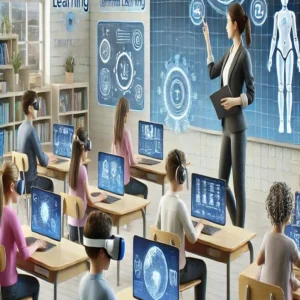
Growing Focus on Career-Ready Education
Education leaders across the country are expanding programs designed to connect classroom learning with real-world career opportunities. Career and Technical Education (CTE) programs have gained momentum in many states, offering students pathways into industries facing labor shortages.
According to data from the U.S. Department of Education and multiple state education agencies, enrollment in career-focused programs has continued to rise as students seek alternatives that combine academic instruction with practical skills. School districts are partnering with local employers, community colleges, and workforce development organizations to provide internships, apprenticeships, and industry-recognized certifications. Supporters argue that these programs help students graduate with clearer career options while addressing workforce gaps in critical sectors.
Artificial Intelligence Becomes Part of Classroom Discussions
Artificial intelligence has become one of the most discussed topics in American education. Since generative AI tools entered mainstream use, educators have been working to determine how these technologies should be used in schools and universities.
Many districts are developing guidelines that encourage responsible AI use while maintaining academic integrity. Teachers are increasingly introducing lessons that help students understand how AI systems work, their limitations, and the ethical questions they raise. Rather than treating AI solely as a challenge, some educators view it as an opportunity to teach critical thinking, digital citizenship, and problem-solving skills that are expected to become increasingly valuable in the future workforce.
Student Achievement Remains a National Priority
Academic recovery continues to be a major focus for education officials following years of learning disruptions. National and state-level assessments have highlighted ongoing challenges in reading and mathematics achievement among students in various grade levels.
Schools are investing in tutoring programs, targeted interventions, and evidence-based instructional strategies aimed at improving student outcomes. Federal and state funding initiatives have supported efforts to provide additional academic resources, particularly for students who experienced significant learning setbacks. Education experts emphasize that long-term improvement will require sustained support rather than short-term solutions.
College Enrollment Trends Show Signs of Stabilization
Higher education institutions are closely monitoring enrollment patterns after several years of fluctuation. Recent reports from national education organizations indicate that some colleges and universities have seen signs of enrollment stabilization, particularly among first-year students and adult learners.
Community colleges have drawn renewed attention as affordable pathways to degrees, certificates, and workforce training programs. Many institutions are also expanding flexible learning options, including online and hybrid courses, to meet the needs of working adults. These changes reflect a growing demand for education models that offer both accessibility and career relevance.
Mental Health Support Expands in Schools
Student well-being remains a central concern for educators, parents, and policymakers. School districts across the United States are increasing investments in mental health resources as concerns about stress, anxiety, and student engagement continue to shape education discussions.
Counseling services, social-emotional learning programs, and school-based support initiatives have become more common in both K-12 schools and higher education institutions. Education leaders say that academic success and student wellness are closely connected, making mental health support an important component of long-term educational outcomes.
Technology Access Continues to Shape Learning Opportunities
Access to technology remains a key factor in educational equity. While significant progress has been made in expanding internet connectivity and device availability, gaps still exist in some communities, particularly in rural areas.
Federal programs and state initiatives continue to support broadband expansion and digital access projects. Education advocates argue that reliable internet access is now an essential part of modern learning, enabling students to participate in online coursework, research activities, and digital collaboration. Schools are increasingly integrating technology into daily instruction, making connectivity a critical educational resource.
States Experiment With New Graduation Pathways
Several states are exploring new approaches to graduation requirements in an effort to better align education with workforce and college expectations. These reforms often include expanded career pathways, competency-based learning models, and opportunities for students to earn college credits while still in high school.
Supporters believe these initiatives can provide students with greater flexibility and more personalized educational experiences. At the same time, policymakers continue to debate how best to maintain rigorous academic standards while accommodating diverse learning goals and career interests.
Education Policy Remains a Major National Issue
Education continues to play a prominent role in policy discussions at the local, state, and federal levels. Topics such as school funding, curriculum standards, teacher recruitment, technology integration, and student achievement remain central to ongoing debates.
As lawmakers consider future education priorities, many stakeholders are calling for policies that balance innovation with accountability. Teachers, administrators, parents, and students all have a significant stake in decisions that will shape the future of American education.
Outlook for U.S. Education
The education landscape in the United States is entering a period of rapid transformation. Schools and colleges are adapting to technological change, evolving workforce demands, and shifting student expectations. From AI literacy and career-focused learning to academic recovery and mental health support, the priorities emerging today are likely to influence educational policy and classroom experiences for years to come.
While challenges remain, education leaders across the country continue to emphasize the importance of preparing students for a future that will require adaptability, critical thinking, and lifelong learning. The direction of these efforts will be closely watched by families, employers, and policymakers as the nation works to strengthen educational opportunities for the next generation.