US Inflation Cools Again as Fed Weighs Timing of Rate Cuts
US Inflation : United States showed further signs of easing this month, reinforcing expectations that the Federal Reserve may be approaching a pivotal shift in monetary policy. According to the latest data released by the Bureau of Labor Statistics (BLS), consumer prices rose at a slower annual pace compared to earlier in the year, offering cautious optimism to households, investors, and businesses alike. While price pressures remain in key sectors such as housing and services, the broader trend suggests that the aggressive interest rate hikes implemented over the past two years are gradually working their way through the economy.
Inflation Data Signals Gradual Cooling
The most recent Consumer Price Index (CPI) report showed annual inflation slowing to 2.9%, edging closer to the Federal Reserve’s long-term 2% target. On a monthly basis, core inflation—which excludes volatile food and energy prices—rose modestly, reflecting more stable price trends across essential categories.
Energy prices declined compared to last summer’s levels, while grocery prices posted only marginal increases. However, shelter costs continued to contribute heavily to overall inflation, accounting for more than a third of the monthly gain. Economists note that housing data often lags real-time rental trends, meaning further moderation could appear in coming months.
For American consumers, this cooling trend translates into slightly improved purchasing power. Although prices remain higher than pre-pandemic levels, the pace of increase has slowed significantly from the 9.1% peak recorded in mid-2022.
Federal Reserve Faces Policy Crossroads
With inflation gradually easing, attention now turns to the Federal Reserve and its next move on interest rates. The central bank has kept the federal funds rate at a 23-year high range of 5.25% to 5.50% in recent months, signaling a data-driven approach before initiating any cuts.
Fed Chair Jerome Powell recently emphasized that policymakers need “greater confidence” that inflation is sustainably moving toward 2% before reducing rates. While markets had previously anticipated multiple rate cuts this year, expectations have moderated. According to CME FedWatch data, investors now see a higher probability of the first rate cut occurring later in the year rather than immediately.
The Fed’s challenge lies in balancing inflation control with economic stability. Cutting rates too soon could risk reigniting price pressures, while holding rates high for too long may slow economic growth and strain borrowers.
Impact on Mortgage Rates and Housing Market
Mortgage rates, which closely track Treasury yields and Fed policy expectations, have remained elevated but slightly below last year’s peak. The average 30-year fixed mortgage rate recently hovered around 6.7%, according to Freddie Mac.
For homebuyers, affordability remains a concern. Elevated borrowing costs combined with limited housing inventory continue to pressure first-time buyers. However, some real estate analysts believe that if inflation continues to cool and the Fed signals rate cuts, mortgage rates could ease modestly by late 2026.
Homebuilders have responded strategically by offering incentives such as rate buydowns and closing cost assistance to maintain demand. Existing homeowners, meanwhile, remain hesitant to sell due to previously locked-in low mortgage rates, contributing to tight supply.
Stock Market Reacts with Measured Optimism
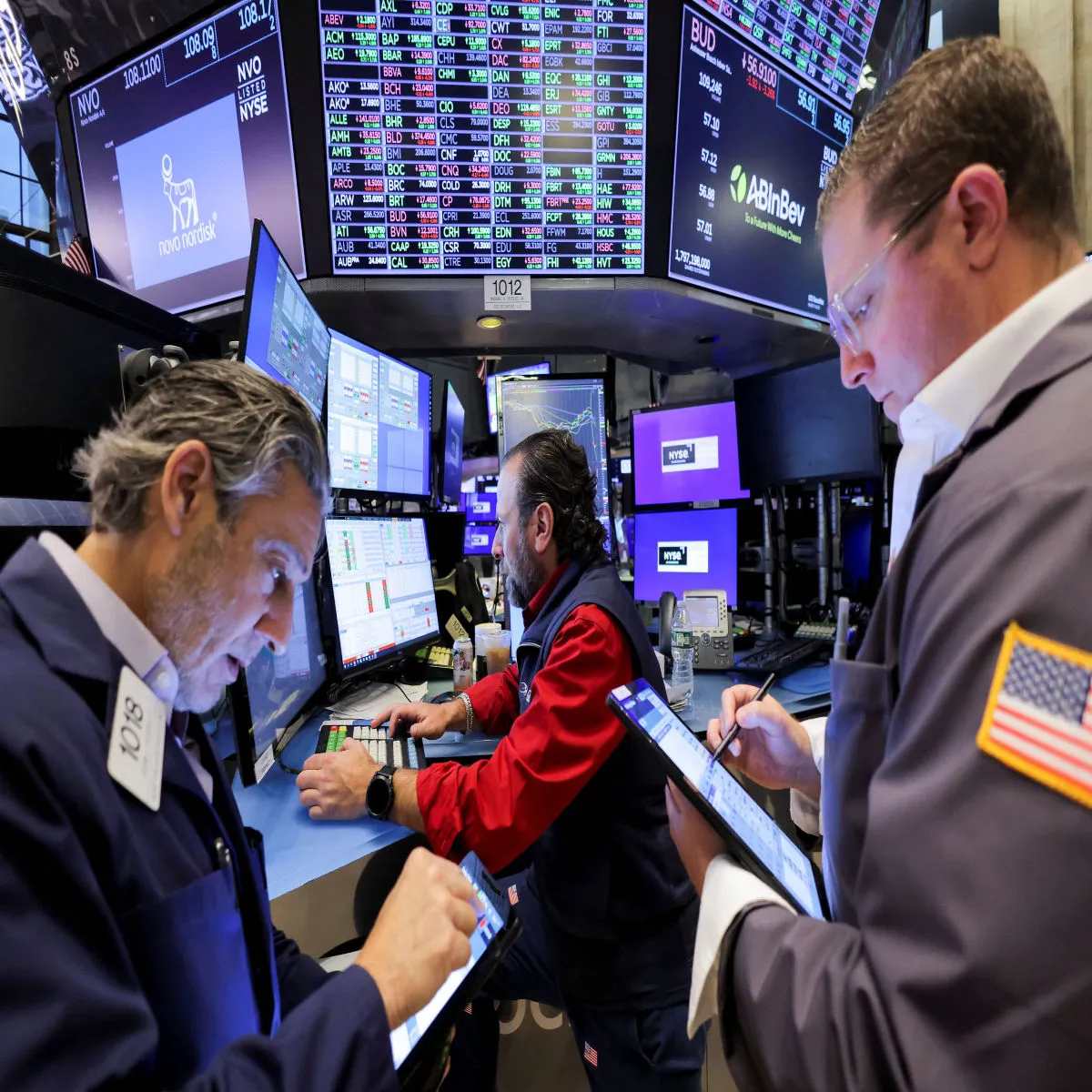
Wall Street responded positively but cautiously to the latest inflation data. Major indices including the S&P 500 and Nasdaq posted moderate gains following the report, as investors interpreted the figures as supportive of eventual monetary easing.
Technology and growth stocks, which are particularly sensitive to interest rate expectations, saw stronger performance. Lower inflation improves the outlook for corporate earnings by reducing input costs and stabilizing consumer spending.
However, market analysts warn against over-enthusiasm. Equity valuations remain elevated compared to historical averages, and any unexpected economic slowdown or inflation rebound could trigger volatility. Investors appear to be pricing in a “soft landing” scenario—where inflation falls without a sharp rise in unemployment—but that outcome is not guaranteed.
Labor Market Remains a Key Variable
Another critical factor shaping Fed policy is the strength of the labor market. Recent jobs reports show steady job creation, with unemployment holding near historic lows around 4%. Wage growth has moderated slightly but continues to outpace inflation in several sectors.
A resilient labor market supports consumer spending, which accounts for roughly two-thirds of U.S. economic activity. However, strong wage gains can also contribute to persistent service-sector inflation.
Economists are closely watching whether hiring slows in response to prolonged high borrowing costs. So far, layoffs remain limited outside certain industries such as technology and finance. The broader employment landscape suggests economic resilience, giving the Fed flexibility in its decision-making process.
What It Means for American Households
For everyday Americans, the cooling inflation trend offers cautious relief. Credit card interest rates remain high, reflecting elevated benchmark rates, but stabilization in goods prices may ease pressure on monthly budgets.
Consumers planning major purchases—such as homes, vehicles, or business investments—may benefit if borrowing costs decline later this year. At the same time, financial advisors recommend maintaining disciplined budgeting and diversified investment strategies, as economic uncertainty has not fully dissipated.
Savings rates have improved slightly as inflation slows, but many households continue adjusting to higher long-term costs for housing, insurance, and healthcare. The path forward will depend largely on whether inflation continues its downward trajectory without disrupting employment.
Outlook for the Rest of the Year
Looking ahead, economic forecasts suggest moderate growth with gradually easing inflation. The Congressional Budget Office and private-sector analysts project GDP expansion between 1.5% and 2.0% for the year, reflecting steady but unspectacular momentum.
Risks remain. Global energy markets, geopolitical tensions, and supply chain disruptions could influence future price trends. Additionally, fiscal policy debates in Washington may shape consumer and business confidence.
For now, the latest inflation data provides incremental reassurance that the U.S. economy is moving closer to price stability. The coming months will determine whether the Federal Reserve can successfully engineer a soft landing—bringing inflation under control while sustaining growth and employment.
As policymakers prepare for their next meeting, households and investors alike will continue monitoring inflation reports, job data, and rate guidance. In an environment shaped by careful balancing, steady progress may prove more valuable than rapid change.