U.S. Education System Faces New Challenges and Reforms in 2026
U.S. Education System – The American education system is undergoing a significant phase of transformation in 2026, as policymakers, educators, and families grapple with shifting academic standards, evolving workforce demands, and widening equity gaps. Recent federal and state-level initiatives are reshaping how schools operate, what students learn, and how success is measured. With increased attention on student outcomes, mental health, and technology integration, education has once again become a central topic in national conversations.

Federal Policies Aim to Close Learning Gaps
In response to post-pandemic learning loss, the U.S. Department of Education has expanded funding programs aimed at improving literacy and math proficiency across K-12 schools. According to recent federal data, nearly 38% of fourth graders are still reading below grade level, raising concerns among educators and policymakers alike.
New grant programs are prioritizing underserved communities, particularly in rural and low-income urban districts. These initiatives focus on tutoring programs, extended learning time, and evidence-based curriculum reforms. Education Secretary statements emphasize that recovery is not just about catching up, but about building a more resilient system.
States are also being encouraged to adopt standardized progress tracking systems to ensure transparency in student performance. While some districts welcome the accountability, others warn that over-testing could add pressure on both students and teachers.
Rise of AI and Technology in Classrooms
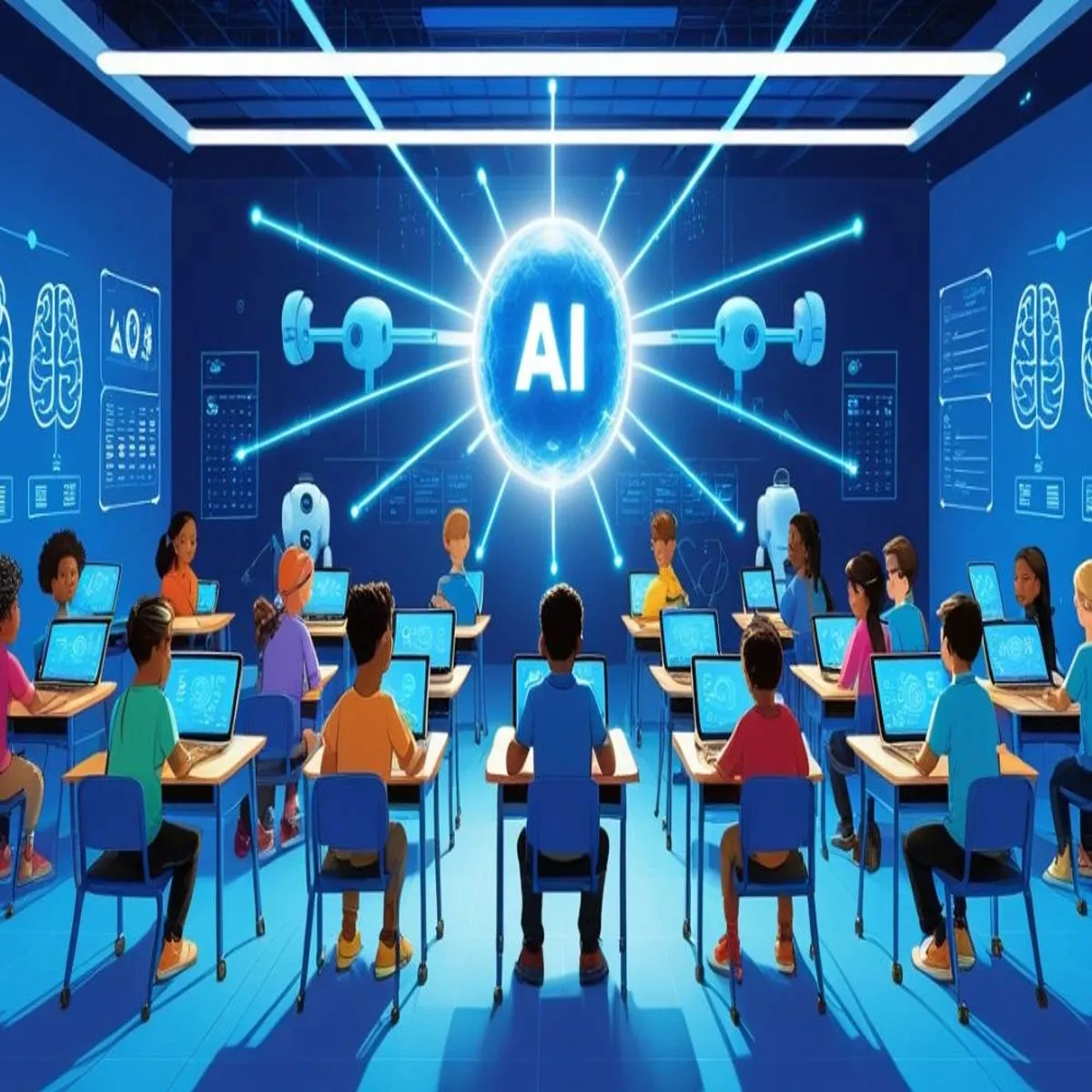
Technology continues to play a transformative role in U.S. education, with artificial intelligence becoming increasingly integrated into classrooms. From personalized learning platforms to AI-powered tutoring systems, schools are experimenting with tools that can adapt to individual student needs.
A 2025 report by the National Center for Education Statistics found that over 60% of public schools now use some form of adaptive learning software. Teachers report that these tools help identify learning gaps more efficiently, allowing for targeted instruction.
However, concerns around data privacy, screen time, and over-reliance on automation remain prominent. Education experts stress the importance of balancing innovation with human interaction. As one policy analyst noted, “Technology should enhance teaching, not replace the human connection that defines meaningful education.”
College Affordability Remains a Key Issue
Higher education affordability continues to be a major concern for American families. Despite ongoing discussions around student loan forgiveness, the average student debt still exceeds $37,000 per borrower, according to recent federal statistics.
Several states have introduced tuition-free community college programs, aiming to increase access to higher education. Meanwhile, universities are expanding financial aid packages and exploring alternative credential programs to attract a broader range of students.
The growing popularity of skills-based hiring is also influencing higher education trends. Employers in industries like tech, healthcare, and manufacturing are placing greater emphasis on certifications and practical experience rather than traditional degrees. This shift is prompting colleges to rethink curriculum design and career pathways.
Teacher Shortages Impact Classroom Quality
Teacher shortages remain a pressing challenge across many U.S. states, particularly in subjects like math, science, and special education. A 2026 survey by the National Education Association indicates that nearly 55% of schools report difficulty in filling teaching positions.
Low salaries, increased workload, and burnout are often cited as key reasons for the shortage. In response, some states have introduced incentives such as signing bonuses, loan forgiveness programs, and alternative certification pathways.
Despite these efforts, retaining experienced educators remains difficult. Experts warn that high turnover rates can negatively impact student outcomes, especially in underserved communities where consistency in teaching is critical.
Focus on Student Mental Health Expands
Mental health support in schools has gained significant attention, with districts increasing funding for counselors, psychologists, and wellness programs. Reports indicate that nearly 1 in 5 students in the U.S. experiences a mental health condition each year.
Schools are implementing social-emotional learning (SEL) programs to help students manage stress, build resilience, and improve interpersonal skills. These programs are increasingly viewed as essential, not optional, components of modern education.
Parents and educators are also advocating for reduced academic pressure and more balanced school environments. Flexible scheduling, mindfulness programs, and peer support initiatives are becoming more common across districts.
Curriculum Changes Reflect Workforce Needs
As the job market evolves, education systems are adapting to prepare students for future careers. There is a growing emphasis on STEM (Science, Technology, Engineering, and Mathematics) education, as well as career and technical education (CTE) programs.
High schools are expanding partnerships with local industries to provide hands-on training and internships. These programs aim to bridge the gap between education and employment, ensuring students graduate with relevant skills.
Additionally, digital literacy and financial education are gaining prominence in school curricula. Educators argue that these skills are essential for navigating the modern economy and making informed life decisions.
Equity and Access Remain Central Concerns
Despite progress, disparities in education access and outcomes persist across the United States. Students from marginalized communities often face barriers such as underfunded schools, limited resources, and fewer experienced teachers.
Federal and state initiatives are increasingly focused on equity, with targeted investments in infrastructure, technology access, and teacher training. Broadband expansion programs, for example, aim to ensure that all students can participate in digital learning.
Advocacy groups continue to push for systemic reforms that address root causes of inequality. These include funding models, housing policies, and community support systems that directly impact educational opportunities.
What Lies Ahead for U.S. Education
Looking forward, the future of education in the United States will likely be shaped by a combination of policy reforms, technological advancements, and societal shifts. Stakeholders across the spectrum agree that collaboration between government, educators, families, and communities is essential.
While challenges remain, there is also a sense of opportunity. The current wave of reforms has the potential to create a more inclusive, adaptive, and student-centered education system. As schools continue to evolve, the focus will remain on preparing students not just for exams, but for life in a rapidly changing world.