
Crypto Markets Show Renewed Stability as U.S. Regulation Talks Gain Momentum
Crypto Markets – The cryptocurrency market is showing signs of renewed stability in 2026, as U.S. policymakers intensify efforts to establish a clearer regulatory framework for digital assets. After a period marked by volatility, enforcement actions, and investor uncertainty, recent developments suggest that both institutional confidence and retail participation are gradually rebounding. Bitcoin and Ethereum, the two largest cryptocurrencies by market capitalization, have maintained relatively stable price ranges over the past several weeks, reflecting a shift from speculative swings toward more measured growth.
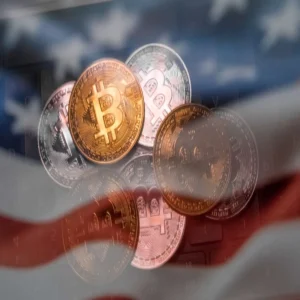
Regulatory Clarity Becomes a Central Focus in Washington
One of the biggest drivers behind this renewed market stability is the growing momentum around crypto regulation in the United States. Lawmakers from both parties have introduced proposals aimed at defining how digital assets should be classified—whether as securities, commodities, or a hybrid category. The Securities and Exchange Commission (SEC) and the Commodity Futures Trading Commission (CFTC) continue to debate jurisdiction, but recent bipartisan discussions suggest progress toward a more unified framework.
Industry experts believe that regulatory clarity could unlock significant institutional investment. “Clear rules of the road are essential for long-term growth,” said a senior analyst at a New York-based financial research firm. For many large investors, uncertainty—not volatility—has been the primary barrier to deeper involvement in crypto markets.
Institutional Interest Picks Up Pace in 2026
Another key trend shaping the crypto landscape is the steady increase in institutional participation. Major asset managers and hedge funds have expanded their exposure to digital assets, particularly through Bitcoin exchange-traded funds (ETFs) approved in recent years. These products have made it easier for traditional investors to gain crypto exposure without directly holding digital currencies.
Data from market analytics platforms indicates that institutional inflows into crypto-related investment vehicles have risen compared to late 2024 levels. This shift is also reflected in trading volumes, which are increasingly dominated by larger, more sophisticated players rather than short-term retail speculation.
Retail Investors Return with a More Cautious Approach
While institutional interest is growing, retail investors are also re-entering the market—but with a noticeably different mindset. Unlike the rapid, hype-driven buying seen during previous bull runs, today’s retail participants appear more cautious and research-driven. Search trends in the U.S. show increased interest in terms like “crypto fundamentals,” “blockchain use cases,” and “long-term crypto investment,” signaling a shift toward more informed decision-making.
Financial advisors are also playing a larger role in guiding retail investors. Many are now incorporating small crypto allocations into diversified portfolios, emphasizing risk management and long-term strategies rather than short-term gains.
Technology Advancements Strengthen Blockchain Ecosystems
Beyond market movements, technological progress continues to support the broader crypto ecosystem. Ethereum’s ongoing upgrades have improved network efficiency and reduced transaction costs, making decentralized applications (dApps) more accessible. Meanwhile, emerging blockchain platforms are focusing on scalability, interoperability, and real-world use cases such as supply chain tracking and digital identity verification.
These advancements are attracting interest from sectors beyond finance, including healthcare, logistics, and entertainment. As blockchain technology becomes more integrated into everyday business operations, its value proposition extends beyond speculative trading.
Risks Remain Despite Positive Momentum
Despite these encouraging trends, risks remain a significant part of the crypto landscape. Regulatory changes, while potentially beneficial in the long run, could introduce short-term disruptions depending on how policies are implemented. Additionally, concerns around cybersecurity, fraud, and market manipulation continue to be closely monitored by both regulators and investors.
Macroeconomic factors also play a role. Interest rate changes, inflation trends, and global economic conditions can influence investor appetite for risk assets, including cryptocurrencies. Analysts caution that while the market appears more stable, it is not immune to external shocks.
What This Means for U.S. Investors
For U.S.-based investors, the current environment presents a more structured and potentially less speculative entry point into crypto markets. The combination of regulatory progress, institutional backing, and technological innovation suggests a maturing industry that is gradually integrating into the broader financial system.
However, experts consistently emphasize the importance of due diligence. Understanding the risks, staying informed about regulatory updates, and maintaining a diversified investment strategy remain critical for anyone considering exposure to digital assets.
As the U.S. continues to shape its approach to cryptocurrency regulation, the coming months are likely to play a pivotal role in determining how the market evolves. For now, the signs point toward cautious optimism—an environment where growth is driven not just by hype, but by structure, strategy, and increasing mainstream acceptance.