
Bitcoin and Ethereum Hold Gains as U.S. Crypto Regulation Debate Intensifies
Bitcoin – The cryptocurrency market remained in focus across the United States this week as Bitcoin and Ethereum continued to trade near key resistance levels while lawmakers, regulators, and institutional investors pushed deeper into the debate over digital asset oversight. Market analysts say growing institutional participation and renewed discussions around crypto regulation in Washington are shaping investor sentiment more than short-term price swings.
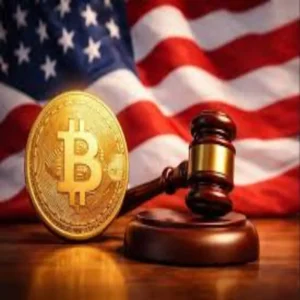
Bitcoin traded above the psychologically important $100,000 range during recent sessions, while Ethereum also posted steady gains as traders reacted to strong inflows into spot crypto exchange-traded funds and continued interest from Wall Street firms. The broader digital asset market showed resilience despite concerns surrounding inflation, interest rates, and regulatory uncertainty in the U.S. financial sector.
Institutional Demand Keeps Crypto Market Active
Institutional investment continues to play a major role in the latest cryptocurrency rally. According to recent market data from major asset management firms, spot Bitcoin ETFs in the United States have recorded billions of dollars in cumulative inflows since their approval earlier this year. Analysts believe these investment products have made crypto more accessible to traditional investors who previously avoided direct exposure to digital wallets and exchanges.
Several large financial institutions have also expanded their blockchain and crypto-related offerings. Companies including BlackRock, Fidelity, and Franklin Templeton continue to increase their presence in digital asset services, signaling that mainstream finance is treating cryptocurrency as a long-term market segment rather than a speculative trend.
Market strategists say ETF demand has helped stabilize Bitcoin trading volumes compared to previous bull-market cycles. Instead of relying heavily on retail speculation, the market is now seeing broader participation from pension funds, wealth managers, and institutional portfolios seeking diversification.
Washington Pushes Forward With Crypto Regulation Talks
Crypto regulation remains one of the most closely watched issues for U.S. investors and blockchain companies. Lawmakers in Congress are continuing discussions around how digital assets should be classified and monitored, especially after years of legal disputes between crypto firms and federal agencies.
The Securities and Exchange Commission (SEC) and the Commodity Futures Trading Commission (CFTC) are still debating jurisdiction over several categories of crypto assets. Industry leaders argue that clearer regulations could encourage innovation and reduce uncertainty for businesses operating in the United States.
Recent bipartisan proposals in Congress aim to create more defined frameworks for stablecoins, crypto exchanges, and consumer protections. Supporters of the legislation say the U.S. risks falling behind global competitors if regulatory clarity continues to move slowly.
Financial policy experts note that regulatory progress could become a major catalyst for the next phase of crypto adoption. A more transparent legal structure may encourage additional banks and public companies to enter the market.
Ethereum Ecosystem Expands Beyond Traditional Trading
While Bitcoin remains the dominant cryptocurrency by market capitalization, Ethereum continues attracting developers and technology firms interested in decentralized finance and blockchain-based applications. The Ethereum network has seen increased activity in areas including tokenized assets, smart contracts, and decentralized finance platforms.
Technology analysts say Ethereum’s long-term appeal comes from its broader utility rather than simple price speculation. U.S.-based fintech startups and enterprise software firms are increasingly exploring Ethereum-compatible solutions for payments, digital identity verification, and tokenization projects.
The rise of tokenized real-world assets has also added momentum to Ethereum’s ecosystem. Financial institutions are experimenting with blockchain technology to tokenize bonds, treasury products, and private investment funds. Industry observers believe this trend could expand significantly over the next several years if regulatory approval becomes clearer.
Ethereum ETF products have also started drawing attention from institutional traders, although inflows remain smaller compared to Bitcoin-focused funds.
Crypto Investors Watch Federal Reserve Signals Closely
Macroeconomic conditions remain an important factor influencing cryptocurrency prices in the United States. Investors are closely monitoring Federal Reserve policy decisions, inflation data, and interest rate expectations as risk assets continue responding to broader economic trends.
Historically, lower interest rates and increased market liquidity have supported higher demand for speculative and growth-oriented investments, including cryptocurrencies. Some analysts believe expectations of future rate cuts could continue supporting crypto markets through the second half of the year.
At the same time, volatility remains a defining feature of digital assets. Financial advisors continue warning retail investors about the risks associated with rapid price movements, cybersecurity threats, and unregulated trading platforms operating outside U.S. oversight.
Consumer protection agencies have also increased efforts to educate investors about scams involving fake crypto investment schemes and phishing attacks targeting digital wallets.
U.S. Election Cycle Adds Another Layer to Crypto Debate
The upcoming U.S. presidential election is adding political attention to the cryptocurrency industry. Several candidates and lawmakers have publicly discussed digital asset policy, financial innovation, and blockchain competitiveness as crypto ownership among American voters continues to grow.
According to recent surveys from industry research groups, millions of U.S. adults now report owning some form of cryptocurrency. Younger investors, in particular, continue showing strong interest in Bitcoin, Ethereum, and blockchain-based financial tools.
Political analysts say crypto policy could become a more visible campaign issue compared to previous election cycles, especially as the industry increases lobbying efforts in Washington. Campaign discussions around financial privacy, innovation, and banking access are expected to influence future regulatory conversations.
Some lawmakers are advocating for stricter oversight to protect consumers, while others argue that excessive regulation could push blockchain companies and investment capital overseas.
Cybersecurity and Market Transparency Stay in Focus
Despite renewed optimism across the crypto market, cybersecurity concerns remain a major issue for exchanges, investors, and regulators. Several high-profile hacks and fraud cases over the past two years have reinforced calls for stronger compliance standards and improved transparency across trading platforms.
Major U.S.-based exchanges have increased spending on security infrastructure, identity verification systems, and anti-money laundering compliance measures. Industry experts say trust and transparency will remain critical for attracting long-term institutional capital.
Blockchain analytics firms are also playing a growing role in tracking suspicious transactions and assisting law enforcement agencies investigating cybercrime tied to digital assets.
At the same time, decentralized finance platforms continue facing scrutiny over operational risks, smart contract vulnerabilities, and liquidity concerns. Investors are being encouraged to evaluate projects carefully before committing funds.
Crypto Market Outlook Remains Closely Watched
Market analysts remain divided on the short-term direction of cryptocurrency prices, but many agree that institutional adoption and regulatory developments are now the primary forces shaping the industry in the United States.
Supporters of digital assets argue that blockchain technology is gradually becoming integrated into mainstream finance, while critics continue questioning valuation models and long-term sustainability. Regardless of market sentiment, cryptocurrencies remain one of the most actively discussed sectors across financial markets, technology circles, and policy debates.
As trading volumes remain elevated and Washington continues evaluating crypto legislation, investors are expected to monitor every major development closely in the months ahead.