
Wall Street Watches Fed Signals as Treasury Yields Pressure U.S. Markets
Wall Street Watches – Rising Treasury yields and shifting expectations around Federal Reserve policy continued to shape investor sentiment across U.S. financial markets this week, with traders closely monitoring inflation data, labor market trends, and corporate earnings for clues about the economy’s next direction.
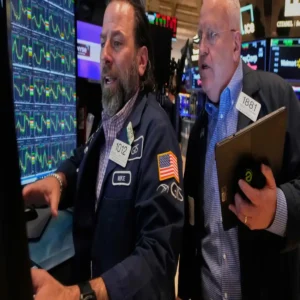
Major indexes ended mixed in recent sessions as investors weighed the possibility that interest rates could remain elevated longer than previously expected. Analysts say the market is entering a more cautious phase after months of optimism tied to artificial intelligence growth, resilient consumer spending, and strong corporate profits.
Treasury Yields Remain a Key Market Driver
One of the biggest concerns for investors has been the steady movement in Treasury yields. The benchmark 10-year Treasury yield has remained elevated, reflecting uncertainty over when the Federal Reserve may begin cutting interest rates.
Higher bond yields often increase borrowing costs for businesses and consumers, while also making fixed-income investments more attractive compared to stocks. This shift can place pressure on high-growth sectors such as technology, which have led much of the market rally over the past year.
Market strategists say investors are now paying closer attention to every economic report released by the U.S. government, especially inflation readings and employment data. Stronger-than-expected reports could reinforce the Fed’s cautious stance on rate cuts.
Inflation Concerns Continue to Influence Expectations
Recent inflation indicators have shown that price pressures in parts of the economy remain persistent, even as overall inflation has eased from previous highs. Housing costs, services, and energy prices continue to play an important role in shaping consumer inflation trends.
Federal Reserve officials have repeatedly stated that future policy decisions will depend heavily on incoming economic data. While some investors had expected multiple rate cuts this year, expectations have shifted significantly over the past several months.
According to analysts, markets are now adjusting to the possibility that borrowing costs could stay higher for longer if inflation does not cool consistently toward the Fed’s long-term target.
Corporate Earnings Offer Mixed Signals
Corporate earnings season has also contributed to market volatility. Several large companies reported stronger-than-expected profits, particularly in sectors tied to cloud computing, digital advertising, and AI infrastructure.
At the same time, some consumer-focused businesses warned about slower spending patterns among middle-income households. Retailers and travel-related companies have noted that Americans are becoming more selective with discretionary spending as higher interest rates continue to impact household budgets.
Financial analysts say the broader earnings picture still suggests that many U.S. companies remain financially stable, but investors are increasingly focused on future guidance rather than past results.
Banking Sector Stays in Focus
Regional banks have once again drawn attention as investors monitor commercial real estate exposure and deposit trends. Although the broader banking system remains stable, concerns over office property values and refinancing risks continue to influence sentiment in the financial sector.
Large U.S. banks recently reported solid quarterly earnings, supported by strong trading activity and healthy consumer credit performance. However, analysts warn that tighter lending conditions could slow economic growth later in the year.
Regulators and policymakers continue to monitor liquidity conditions across the banking industry, particularly among smaller institutions that remain sensitive to shifts in interest rates.
Consumer Spending Still Supporting the Economy
Despite concerns about inflation and borrowing costs, consumer spending has remained relatively resilient. Travel demand, restaurant activity, and entertainment spending continue to support economic growth in several areas of the U.S. economy.
Economists note that wage growth and a stable labor market have helped consumers maintain spending levels, even as credit card balances and household debt rise. However, some experts believe spending could gradually weaken if interest rates stay elevated into next year.
Retail data and consumer confidence reports over the coming months are expected to provide a clearer picture of how American households are responding to current economic conditions.
Investors Eye Upcoming Federal Reserve Decisions
Attention is now turning toward upcoming Federal Reserve meetings and speeches from central bank officials. Investors are looking for clearer guidance on the timeline for potential rate cuts and whether inflation risks remain significant enough to delay policy easing.
Many Wall Street firms have revised their forecasts in recent weeks, with some now expecting fewer rate cuts than initially projected earlier this year. Bond markets and equity traders are expected to remain highly sensitive to new economic data releases.
Market volatility could continue in the short term as investors navigate uncertainty around inflation, economic growth, and monetary policy. Analysts say diversification and long-term planning remain important strategies for investors during periods of market uncertainty.
Technology Stocks Continue to Lead Market Attention
Technology companies remain at the center of investor interest, particularly firms connected to AI development and semiconductor manufacturing. Strong demand for AI-related infrastructure has supported stock valuations despite broader market concerns over rates and inflation.
However, analysts caution that high valuations could increase volatility if economic conditions weaken or earnings growth slows. Investors are expected to closely watch upcoming quarterly reports from major tech companies for signs of continued momentum.
Wall Street observers say the coming months may determine whether the current market rally can extend further or whether higher borrowing costs begin weighing more heavily on corporate growth and investor confidence.