
US Schools Expand AI Literacy and Career-Focused Programs in 2026
US Schools – The American education system is undergoing a noticeable shift in 2026, as schools across the United States introduce AI literacy, career-focused pathways, and updated digital learning strategies to better prepare students for a rapidly evolving workforce. From public high schools to major universities, educators are rethinking traditional models and aligning curricula with real-world demands, particularly in technology, healthcare, and skilled trades.
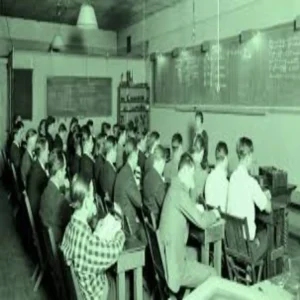
Growing Focus on AI and Digital Skills in Classrooms
School districts nationwide are integrating artificial intelligence education into their core curriculum, reflecting the increasing importance of AI across industries. According to recent data from the U.S. Department of Education, more than 35% of high schools have introduced at least one course related to AI, data science, or machine learning in the past two years.
This shift is not limited to specialized STEM schools. Even general education institutions are embedding digital literacy into everyday subjects. For instance, English classes now explore AI-generated content, while math programs incorporate data analytics tools. Education experts say this approach ensures that students are not just passive users of technology but informed participants in a digital economy.
“Students need to understand how AI works, not just how to use it,” said Dr. Linda McMahon, an education policy analyst based in Washington, D.C. “That understanding is becoming as essential as reading and writing.”
Career Pathways Programs Gain Momentum
Another major trend shaping U.S. education is the expansion of career and technical education (CTE) programs. These initiatives aim to provide students with hands-on experience in fields like healthcare, cybersecurity, construction, and renewable energy.
Recent figures from the National Center for Education Statistics show that enrollment in CTE programs has increased by nearly 12% since 2023. States such as Texas, California, and Florida are leading the way, investing millions in partnerships with local industries to create job-ready graduates.
These programs are particularly appealing to students who want alternatives to the traditional four-year college route. By offering certifications, internships, and apprenticeships, schools are helping bridge the gap between education and employment.
Colleges Adapt to Workforce Demands
Higher education institutions are also adjusting their strategies to stay relevant. Universities are launching short-term credential programs, online degrees, and hybrid learning models to attract a broader range of students, including working professionals.
A report from the Georgetown University Center on Education and the Workforce highlights that nearly 65% of jobs in the U.S. now require some form of postsecondary education or specialized training. In response, colleges are redesigning programs to be more flexible and aligned with employer needs.
Community colleges, in particular, are playing a critical role. Many have introduced fast-track programs in nursing, IT support, and advanced manufacturing, allowing students to enter the workforce in less than two years.
Federal and State Policy Driving Change
Government support has been a key factor in accelerating these education reforms. The Biden administration’s continued investment in workforce development and digital infrastructure has provided schools with the resources needed to modernize.
Federal funding initiatives, including grants for STEM education and broadband expansion, have enabled underserved communities to access quality learning tools. Meanwhile, state governments are implementing policies that encourage innovation in curriculum design and teacher training.
Education leaders emphasize that these policy efforts are crucial for maintaining the country’s global competitiveness. Without them, the U.S. risks falling behind in critical sectors like technology and engineering.
Addressing Equity and Access Challenges
Despite the progress, challenges remain—particularly in ensuring equal access to these new opportunities. Rural and low-income communities often face barriers such as limited internet connectivity and fewer qualified teachers in specialized subjects.
Organizations and nonprofits are stepping in to close these gaps. Programs focused on digital equity are providing devices, internet access, and training to students who might otherwise be left behind.
Experts warn that without continued attention to equity, the benefits of education reform could be unevenly distributed. “Access is just as important as innovation,” noted Dr. McMahon. “We need to make sure every student has a fair chance to succeed.”
What This Means for Students and Families
For students and parents, these changes represent both opportunity and uncertainty. On one hand, the education system is becoming more responsive to real-world needs, offering practical skills and diverse pathways. On the other hand, navigating these options can be complex.
Guidance counselors and school administrators are increasingly focusing on personalized education plans, helping students choose paths that align with their interests and career goals. Whether pursuing college, vocational training, or direct employment, today’s students have more choices than ever before.
As the education landscape continues to evolve, one thing is clear: adaptability and lifelong learning are becoming essential. The classroom of today looks very different from that of a decade ago—and it’s still changing.