
US Loan Rates Shift in 2026 as Borrowing Costs Remain Elevated
US Loan – The US lending landscape is undergoing a noticeable shift in 2026, with loan rates staying higher than pre-pandemic levels while showing early signs of stabilization. From mortgages and auto loans to personal and student borrowing, Americans are facing a lending environment shaped by the Federal Reserve’s recent policy stance, persistent inflation concerns, and cautious consumer behavior. For millions of borrowers, this means recalibrating financial decisions in a market where credit is still available—but not as cheap or easy as it once was.
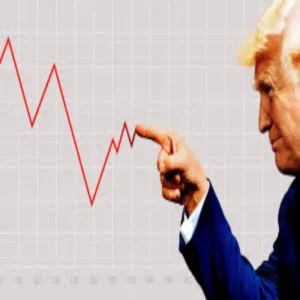
Federal Reserve Policy Continues to Influence Loan Costs
The trajectory of loan rates in the United States remains closely tied to the Federal Reserve’s monetary policy. After a series of aggressive rate hikes between 2022 and 2024, the Fed has adopted a more measured approach in 2025 and early 2026. While benchmark interest rates have not increased significantly in recent months, they have also not dropped enough to meaningfully reduce borrowing costs.
According to recent data from the Federal Reserve, the federal funds rate has remained in the range of 4.75% to 5.25%, keeping pressure on lenders to maintain higher interest rates across most loan categories. Financial analysts suggest that until inflation consistently falls closer to the Fed’s 2% target, borrowers should not expect substantial rate cuts.
Mortgage Rates Remain a Key Concern for Homebuyers
The housing market continues to feel the impact of elevated loan rates. As of early 2026, average 30-year fixed mortgage rates are hovering between 6.5% and 7%, significantly higher than the historic lows seen during 2020–2021.
This shift has slowed down homebuying activity, particularly among first-time buyers. Industry reports from Freddie Mac indicate that affordability remains a major barrier, with monthly mortgage payments still elevated despite modest home price stabilization in certain regions.
Experts note that while some buyers are adjusting by opting for smaller homes or different locations, others are delaying purchases altogether, waiting for a more favorable rate environment.
Auto Loans and Personal Loans See Mixed Trends
The auto loan sector has also been affected by higher borrowing costs. Interest rates for new car loans are averaging around 7% to 8%, while used car loans can exceed 10%, depending on credit scores. This has led to a decline in vehicle financing approvals and a rise in longer loan terms as consumers try to manage monthly payments.
On the other hand, personal loans have shown mixed trends. While rates remain relatively high—often ranging from 10% to 20%—lenders are increasingly targeting borrowers with strong credit profiles. Fintech platforms and traditional banks alike are offering competitive options to attract low-risk customers, creating a somewhat fragmented lending environment.
Student Loan Repayments Add Pressure to Borrowers
Student loans have re-entered the spotlight after repayment obligations resumed following pandemic-era pauses. Millions of borrowers are now balancing repayments alongside higher costs for other forms of credit.
The Department of Education reports that over 40 million Americans hold student loan debt, with total balances exceeding $1.7 trillion. While federal loan rates are fixed and generally lower than private loan rates, the overall financial burden is influencing borrowing decisions across other sectors, including housing and consumer spending.
Credit Availability Tightens Despite Stable Demand
Even as demand for loans remains steady, banks and financial institutions are tightening lending standards. The Federal Reserve’s Senior Loan Officer Opinion Survey indicates that a growing number of banks are applying stricter criteria for approving loans, particularly for small businesses and individuals with lower credit scores.
This trend reflects concerns about potential economic slowdown and rising default risks. As a result, borrowers may find it harder to qualify for loans or may face less favorable terms compared to previous years.
Digital Lending Platforms Expand Their Role
One notable development in the US loan market is the continued growth of digital lending platforms. Companies offering online personal loans, refinancing options, and small business financing are gaining traction due to their faster approval processes and user-friendly interfaces.
According to industry data, digital lenders now account for a significant share of unsecured personal loan originations. While these platforms offer convenience, financial advisors caution borrowers to carefully review terms, as interest rates and fees can vary widely.
What Borrowers Should Expect in 2026
Looking ahead, financial experts suggest that loan rates may gradually decline if inflation continues to ease and the Federal Reserve shifts toward rate cuts. However, any reductions are expected to be gradual rather than dramatic.
Borrowers are being advised to focus on improving credit scores, comparing multiple lenders, and considering fixed-rate options where possible. Refinancing may become more attractive if rates begin to trend downward later in the year.
At the same time, economists emphasize the importance of realistic expectations. The era of ultra-low interest rates is unlikely to return soon, and both consumers and businesses may need to adapt to a “new normal” in borrowing costs.