
How the U.S. Loan Market Is Shifting in 2026: Rates, Risks, and Opportunities
The U.S. loan market is entering 2026 with a mix of caution and opportunity as consumers, lenders, and policymakers navigate a complex economic environment. Borrowing remains a cornerstone of American financial life, from mortgages and auto financing to student loans and small business credit. Yet the conditions shaping lending today are very different from those seen just a few years ago. Higher interest rates, persistent inflation concerns, and tighter underwriting standards have changed how Americans approach debt.

Recent financial data suggests that total household debt in the United States has continued to rise, surpassing $17 trillion according to Federal Reserve estimates. Mortgage balances still represent the largest share, but growth in personal loans and credit card borrowing has been particularly notable over the past year. Analysts say this shift reflects both the rising cost of living and a growing reliance on flexible credit options.
Banks and non-bank lenders are also adjusting their strategies. Many institutions have tightened credit requirements to reduce risk while expanding digital lending platforms to reach borrowers more efficiently. That combination has created a somewhat paradoxical environment: credit is widely available online, but qualifying for the best rates often requires stronger credit scores than before.
Financial experts emphasize that the loan market is deeply connected to broader economic signals. Employment levels, wage growth, inflation expectations, and Federal Reserve policy all influence lending behavior. When interest rates remain elevated, borrowing costs increase, which can discourage large purchases such as homes or vehicles. At the same time, consumers facing higher everyday expenses sometimes turn to smaller loans to manage cash flow.
For American households, the result is a financial landscape where loans remain accessible but require more careful planning. Borrowers today are weighing not just whether they can obtain a loan, but whether taking on new debt makes sense in an environment where interest costs can quickly add up.
Why Borrowing Demand Is Changing in 2026
Several economic and social trends are reshaping borrowing demand across the United States. One of the most significant factors is the lingering impact of the Federal Reserve’s aggressive interest-rate increases during the past few years. Although inflation has moderated compared with earlier peaks, rates remain higher than what many consumers became accustomed to during the early 2020s.
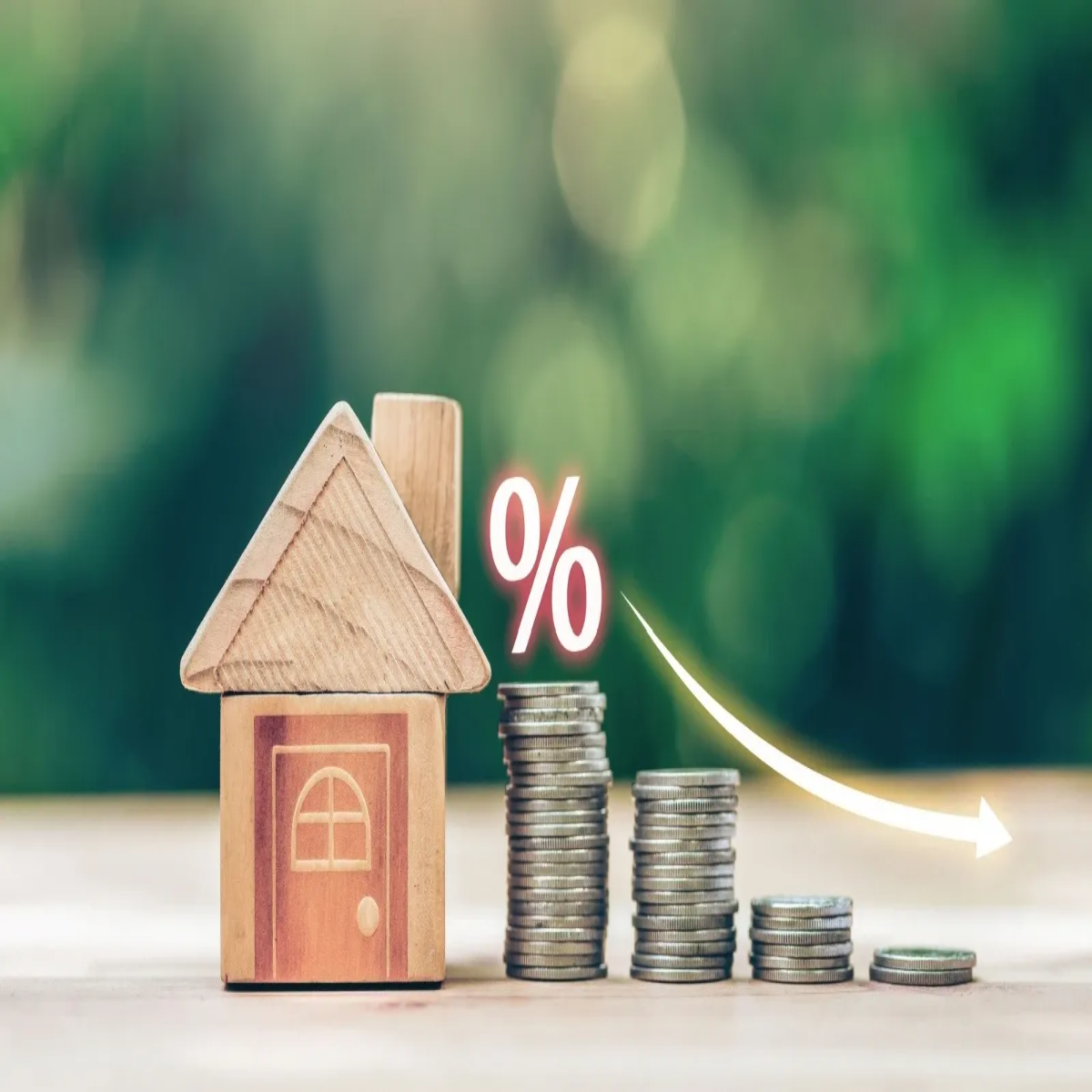
This shift has had a measurable effect on how Americans approach borrowing. Mortgage applications, for example, have slowed in many regions because higher rates significantly increase monthly payments. A buyer who could comfortably afford a home loan when mortgage rates were around 3 percent may now face substantially higher costs if rates hover closer to 6 or 7 percent. As a result, some potential homeowners are delaying purchases or looking for smaller properties.
At the same time, demand for shorter-term loans has grown. Personal loans, installment loans, and buy-now-pay-later financing have all gained traction among consumers seeking flexible ways to manage expenses. These products often appeal to borrowers who need relatively quick access to funds for purposes such as home repairs, medical bills, or debt consolidation.
Demographics are also playing a role. Younger Americans entering the workforce are navigating a financial environment defined by high housing costs and student loan obligations. Meanwhile, older households approaching retirement may seek loans for renovations or healthcare-related expenses. Each group interacts with credit differently, contributing to diverse patterns in loan demand.
Economic uncertainty further shapes borrowing decisions. When consumers feel confident about job security and income stability, they are more likely to take on long-term financial commitments. If uncertainty rises—whether due to inflation, market volatility, or geopolitical tensions—borrowers may become more cautious, favoring smaller loans with shorter repayment periods.
Market analysts note that technology is quietly influencing borrowing behavior as well. Online lending platforms allow consumers to compare rates, apply for loans, and receive approvals within minutes. That convenience can encourage borrowers to explore credit options they might not have considered in the past.
All of these factors combined have produced a dynamic environment where borrowing patterns continue to evolve. Understanding these changes is essential for both lenders and consumers attempting to navigate the modern U.S. credit landscape.
Key Economic Indicators Influencing Lending
Behind every shift in the loan market lies a set of economic indicators that influence how credit flows through the financial system. In the United States, several key metrics play an especially powerful role in shaping lending conditions, and their movement is closely watched by banks, policymakers, and investors.
One of the most influential indicators is the Federal Reserve’s benchmark interest rate. This rate affects the cost at which banks borrow money, and those costs eventually translate into the interest rates offered to consumers. When the Fed raises rates to combat inflation, borrowing generally becomes more expensive across the board—from mortgages and auto loans to credit cards and personal loans.
Another critical factor is the unemployment rate. Strong employment levels typically encourage lenders to extend credit because borrowers with stable income are more likely to repay their debts. As of early 2026, the U.S. labor market has remained relatively resilient compared with many economists’ expectations. Continued job growth has helped maintain steady loan demand, even as interest rates remain elevated.
Inflation data also plays a central role. Rising prices reduce consumers’ purchasing power and can increase reliance on credit for everyday expenses. At the same time, high inflation often prompts central banks to tighten monetary policy, which raises borrowing costs. This balancing act can create a complicated environment for borrowers trying to decide when—or whether—to take out a loan.
Consumer confidence is another indicator lenders monitor closely. Surveys measuring how optimistic Americans feel about their financial future often correlate with borrowing activity. When households feel secure about income and economic stability, they are more likely to apply for mortgages, car loans, or business financing.
Housing market trends also feed directly into the broader loan landscape. Mortgage lending represents one of the largest segments of the U.S. credit market, meaning fluctuations in home sales and property prices can ripple through the entire financial system.
Taken together, these indicators form a complex framework that shapes lending decisions every day. Understanding them helps explain why loan availability and borrowing costs can change quickly, sometimes within just a few months.


4 Comments