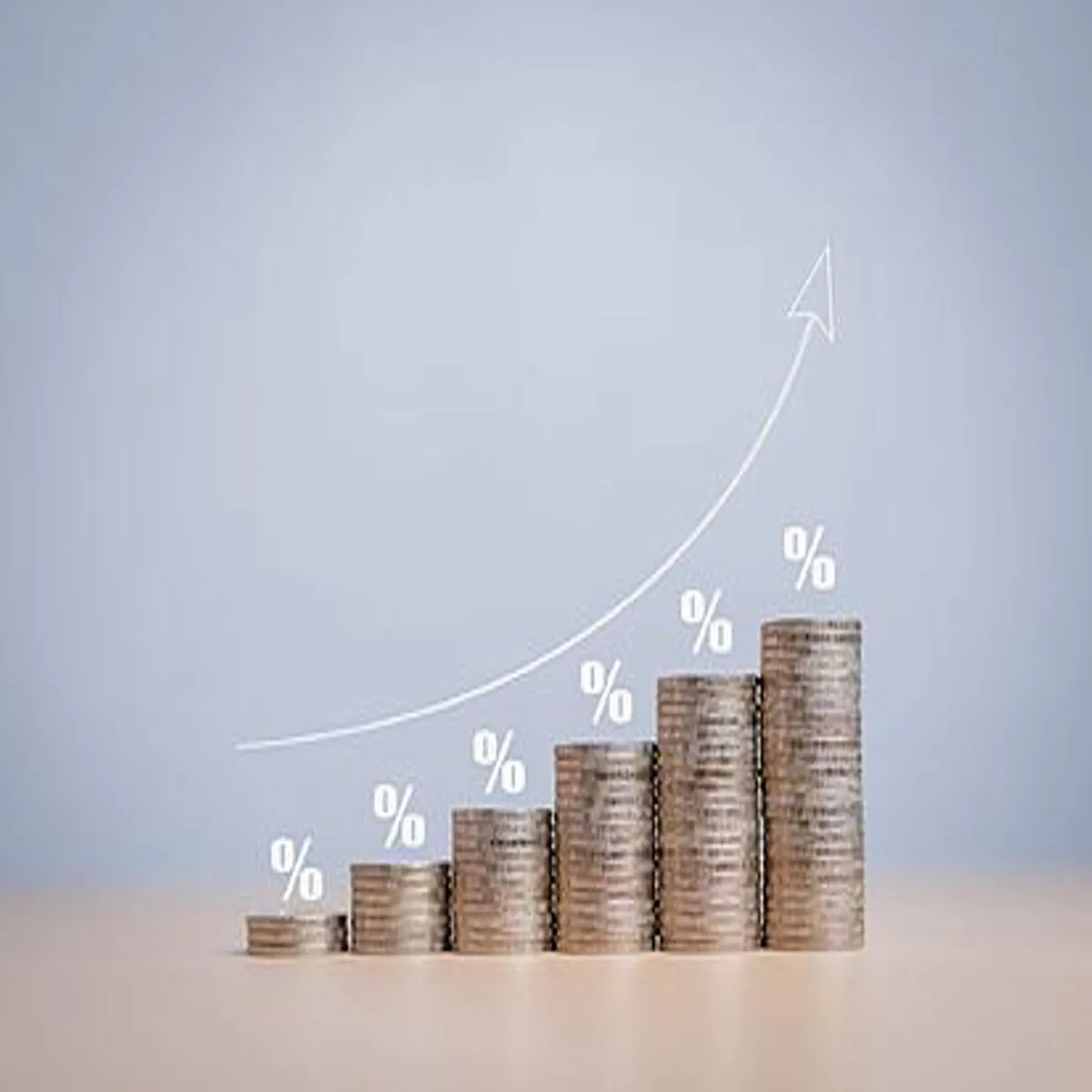
Global Loan Market 2025: Countries Introduce New Borrowing Reforms, Digital Lending Growth, and Interest Rate Adjustments Amid Economic Recovery
IMF, World Bank, and Central Banks Worldwide Push for Fair Lending, SME Support, and Stability in International Credit Markets
As the world enters 2025, the global loan and borrowing landscape is undergoing major changes. Many countries—across Asia, Europe, the Americas, the Middle East, and Africa—are introducing new lending policies to stabilize their economies, support households, and strengthen business growth. These reforms are driven by high interest rates, inflation, housing challenges, and the growing demand for digital and AI-powered lending systems.
International financial institutions, including the International Monetary Fund (IMF) and the World Bank, report that global credit markets are showing signs of recovery, but challenges such as rising debt levels, geopolitical tensions, and fluctuating interest rates continue to shape loan policies worldwide.
Why Global Loan Markets Are Changing in 2025
Several global factors have pushed countries to overhaul their loan and financial systems:
-
High global interest rates
-
Post-pandemic financial stress
-
Rising mortgage and housing costs
-
Increasing student loan debt worldwide
-
Slowing economic growth in multiple regions
-
Need for stronger protection against predatory lending
-
Digital disruption from fintech and AI
IMF Managing Director Kristalina Georgieva said:
“The world economy is stabilizing, but borrowers are still under pressure. Countries must adopt modern, transparent lending systems to protect households and support economic growth.”
Key Global Loan Trends in 2025
1. Central Banks Begin Gradual Interest Rate Cuts
After two years of elevated interest rates, major central banks are beginning to ease monetary policy:
-
U.S. Federal Reserve is expected to reduce rates by mid-2025.
-
European Central Bank (ECB) is implementing slow, steady cuts.
-
Bank of England, the Bank of Canada, and the Reserve Bank of Australia are forecasting limited reductions in the coming months.
-
Many Asian and Latin American nations are already cutting rates to stimulate growth.
Lower interest rates are expected to boost global borrowing activity.
2. Rise of Digital and AI-Based Lending
Fintech-driven lending has expanded rapidly worldwide. Key growth areas include:
-
AI-based credit scoring
-
Instant digital loan approvals
-
Peer-to-peer (P2P) lending platforms
-
Blockchain-powered loan verification
-
Biometric digital identity verification
Countries like India, Singapore, the UAE, South Korea, and the UK are leading the world in digital lending innovation.
3. Global Focus on SME and Startup Loans
Small and medium-sized enterprises (SMEs) account for over 60% of global jobs. To support them, governments worldwide are expanding business loan programs:
-
Low-interest startup loans
-
Government-backed SME credit guarantees
-
Emergency relief loans in high-inflation economies
-
Subsidies for innovative and green businesses
-
Micro-loans for rural and underserved communities
The World Bank has announced new funding to support developing nations’ small businesses.
4. Housing and Mortgage Reforms Across Countries
Housing affordability has become a global crisis, prompting governments to introduce new mortgage support measures:
-
Longer amortization periods
-
First-time buyer loan subsidies
-
State-backed refinancing programs
-
Zero-interest home repair and green upgrade loans
-
Regulations to prevent predatory mortgage lending
Countries such as Canada, Australia, the UK, Germany, and New Zealand have already implemented major mortgage reforms in 2025.
5. Reforms in Student Loan Systems Worldwide
With education costs increasing globally, many nations are updating their student loan policies, including:
-
Lower interest rates
-
Higher income thresholds before repayment
-
Debt forgiveness for essential workers
-
Flexible repayment during economic hardship
-
Digital student loan portals
The U.S., UK, South Korea, and several EU countries have announced major student loan reforms this year.
6. Crackdown on Predatory Lending
Countries across Africa, Asia, and South America are seeing strict actions against:
-
Illegal high-interest lenders
-
Payday loan exploitation
-
Hidden loan fees
-
Misleading financial advertising
Global regulators are urging nations to implement stronger consumer protection laws to prevent debt traps.
Regional Outlook: How Loan Markets Are Shifting Worldwide
North America
The U.S. and Canada are focusing on easing mortgage pressure and improving student loan systems. Digital lending is expanding rapidly, with banks and fintechs working closely.
Europe
Europe is battling inflation and housing shortages. Countries are offering affordable business loans and green financing to push economic recovery.
Asia-Pacific
Asia remains the fastest-growing lending market. India’s digital loan boom is leading global growth, while Japan and South Korea focus on SME relief and AI-based underwriting.
Middle East
Gulf nations are heavily investing in digital banking and zero-interest startup loans as part of economic diversification.
Africa
African nations are embracing mobile-based micro-lending, which is helping rural communities gain financial access for the first time.
Impact on Borrowers Worldwide
Global loan reforms are expected to provide major benefits to individuals and businesses, including:
Lower Borrowing Costs
Rate cuts and subsidies will make loans more affordable.
Faster Loan Approvals
AI and digital platforms reduce waiting times from weeks to minutes.
Better Consumer Protection
Stricter rules will prevent hidden fees and unfair interest rates.
More Housing Support
Mortgage relief programs will help stabilize global housing markets.
Easier Access for Small Businesses
Government-backed SME programs will encourage entrepreneurship and job creation.
Reduced Student Debt Pressure
New repayment rules and forgiveness programs will ease financial stress for millions of global students.
Challenges Still Ahead for Global Lending
Despite improvements, major challenges remain:
-
Global debt levels remain historically high
-
Political instability affects credit markets
-
Climate-related disasters increase insurance and loan risks
-
Cyber threats to financial institutions continue to grow
-
Developing countries face higher borrowing costs due to currency fluctuations
International bodies emphasize the need for global cooperation to maintain stability.
Future Outlook for the Global Loan Market (2025–2030)
Experts predict key trends for the next five years:
-
Expansion of digital-only lenders
-
Increased sustainability-linked financing
-
Growth in cross-border lending partnerships
-
Continued reforms in student and mortgage lending
-
Stronger AI integration in loan approvals
-
Rise in green and social impact loans
Global borrowing is expected to grow steadily as interest rates normalize and technology makes credit more accessible.