
Insurance Costs Rise Across U.S. as Climate Risk and Inflation Reshape Market
Insurance Costs: Insurance has always been a cornerstone of financial security in the United States, protecting households from unexpected losses and helping businesses manage risk. Yet over the past few years, the insurance landscape has been shifting rapidly. From auto insurance and homeowners policies to health coverage, Americans are facing noticeable changes in how much protection costs—and what it actually covers. Insurers are adjusting pricing models, regulators are reviewing rate increases, and consumers are rethinking how much coverage they need in an increasingly unpredictable environment.
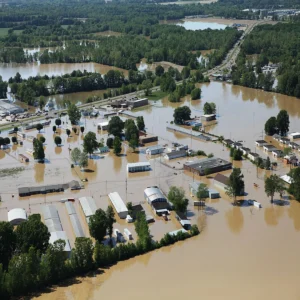
Recent data from industry groups and federal agencies suggests that premiums across several major insurance categories are rising faster than many household budgets. According to the U.S. Bureau of Labor Statistics, motor vehicle insurance prices increased more than 20% year-over-year in parts of 2024 and 2025, one of the sharpest jumps in decades. At the same time, natural disasters and extreme weather events have pushed home insurance markets in some states to a breaking point, forcing insurers to rethink their risk exposure. Health insurance has remained comparatively stable due to federal subsidies, but affordability remains a concern for many families.
For millions of American households, insurance is no longer just a routine expense—it is becoming a key financial planning issue. Experts say the combination of inflation, climate risk, rising repair costs, and regulatory changes is reshaping the industry. Understanding what is happening in the insurance market has become essential for consumers trying to manage their long-term financial security.
Why Insurance Is Becoming a Major Financial Concern for Americans
Insurance rarely dominates household conversations until premiums suddenly increase or coverage becomes harder to obtain. That is exactly what many Americans are experiencing today. Over the last several years, insurance companies have faced a wave of economic and environmental pressures that are forcing them to reassess how they price risk. As a result, consumers are seeing the impact directly through higher monthly costs and stricter policy terms.
One major factor behind the shift is inflation. When the cost of repairing vehicles, rebuilding homes, or providing healthcare rises, insurers must adjust their premiums to match the higher payout risk. For example, the price of auto parts and labor has climbed significantly since the pandemic-era supply chain disruptions. That means accidents that once cost insurers a few thousand dollars can now cost substantially more to resolve. The same principle applies to homeowners insurance, where the rising cost of construction materials and labor has made rebuilding after disasters far more expensive.
Another major driver is climate-related risk. The United States has experienced a growing number of billion-dollar weather disasters each year. According to the National Oceanic and Atmospheric Administration (NOAA), the country recorded more than 25 separate billion-dollar weather events in some recent years, including hurricanes, wildfires, floods, and severe storms. Insurance companies rely heavily on historical data to calculate risk, but increasingly unpredictable weather patterns are making those calculations more difficult.
For consumers, this environment creates uncertainty. Some homeowners are discovering that their premiums have increased dramatically, while others are finding fewer insurers willing to offer coverage in high-risk areas. Financial advisors now regularly encourage clients to review their insurance policies annually rather than treating them as a fixed expense. The insurance industry, once considered relatively stable, is entering a period of rapid transformation that affects nearly every American household.
Rising Premiums Across Auto, Health, and Home Policies
Premium increases are becoming one of the most visible signs of the evolving insurance market. Across the United States, drivers, homeowners, and families purchasing health coverage are reporting higher costs, though the reasons differ depending on the type of insurance.
Auto insurance has seen some of the sharpest increases. Industry data from organizations such as Insurify and the Insurance Information Institute shows that the average cost of full-coverage auto insurance has climbed significantly in recent years. Several factors are contributing to the trend. Vehicles have become more technologically advanced, meaning repairs often involve expensive sensors, cameras, and electronic components. Even relatively minor collisions can now require complex repairs, driving up claim costs for insurers.
Home insurance has also been under pressure, particularly in regions exposed to extreme weather. Hurricanes along the Gulf Coast, wildfires in the western United States, and severe storms across the Midwest have produced billions of dollars in insured losses. In response, insurers have raised premiums or reduced exposure in some high-risk areas. States like Florida and California have received particular attention, where several major insurers have scaled back new policies or left certain markets altogether.
Health insurance presents a slightly different picture. Premium increases still occur, but federal subsidies under the Affordable Care Act (ACA) have helped offset costs for many consumers. Record enrollment in ACA marketplace plans in recent years suggests that millions of Americans continue to rely on these subsidies to maintain coverage. Without them, analysts say premiums would likely be significantly higher for many families.
These shifts highlight a broader reality: insurance pricing is closely tied to real-world economic conditions. As repair costs, healthcare spending, and climate-related risks grow, insurers must adapt their pricing strategies to remain financially stable. For consumers, that often means shopping around for policies, comparing coverage options, and staying informed about how industry trends could affect their premiums.
Climate Risk and Natural Disasters Driving Industry Changes
Few forces are reshaping the insurance industry more dramatically than climate risk. Over the past decade, the frequency and severity of natural disasters in the United States have intensified, forcing insurers to rethink how they evaluate risk and price coverage. Hurricanes, wildfires, floods, and severe storms are generating record levels of insured losses, and the financial consequences are rippling across the entire market.
Insurance companies depend heavily on long-term historical data to estimate how likely certain events are to occur. When those patterns shift—whether due to climate change or urban development in vulnerable areas—traditional risk models become less reliable. As a result, insurers have begun recalibrating their strategies, sometimes raising premiums significantly or limiting coverage in regions where disaster risks are increasing.
The effects are particularly visible in states prone to large-scale natural disasters. In Florida, repeated hurricane damage has driven up reinsurance costs, which insurers must pay to protect themselves against catastrophic losses. Those costs are ultimately passed on to homeowners through higher premiums. In California, destructive wildfire seasons have prompted some insurers to pause new homeowner policies in high-risk areas while regulators and policymakers work to stabilize the market.
Experts say these developments illustrate a larger structural shift in the insurance industry. As climate-related risks become more pronounced, insurers are investing heavily in advanced risk modeling, satellite data, and predictive analytics to better understand exposure. Some companies are also encouraging policyholders to adopt mitigation measures—such as wildfire-resistant building materials or storm-resistant roofing—to reduce potential losses.
For American homeowners and businesses, the message is becoming clear: insurance coverage will increasingly reflect environmental risk. Communities that invest in disaster resilience may find it easier to maintain affordable coverage, while areas with repeated catastrophic losses could face tighter insurance markets in the years ahead.