US Inflation Cools Slightly as Markets Weigh Fed Rate Path Ahead
US Inflation – The latest U.S. inflation data is offering cautious optimism to investors, policymakers, and households alike, as price pressures show signs of easing without signaling a full return to stability. According to the most recent Consumer Price Index (CPI) release, inflation rose at a slower pace than expected on a year-over-year basis, reinforcing the narrative that the Federal Reserve’s aggressive rate hikes over the past two years are beginning to take effect. However, persistent costs in key sectors like housing and services continue to complicate the outlook, leaving markets uncertain about the timing and scale of future interest rate adjustments.
Inflation Data Signals Gradual Cooling, Not a Full Turnaround
The U.S. Bureau of Labor Statistics reported that annual inflation ticked lower compared to previous months, coming in slightly below economists’ forecasts. Core inflation, which excludes volatile food and energy prices, also showed moderation but remains above the Federal Reserve’s 2% target. This mixed data suggests that while the broader trend is moving in the right direction, underlying price pressures have not fully dissipated.
Energy prices played a notable role in the recent slowdown, with gasoline costs declining across several regions. Meanwhile, food prices showed modest increases, reflecting ongoing supply chain adjustments and global commodity fluctuations. Economists widely agree that inflation is no longer accelerating at the pace seen in 2022, but the path back to normal levels is likely to be uneven and prolonged.
Federal Reserve Faces Delicate Policy Balancing Act
With inflation cooling but not yet under control, the Federal Reserve finds itself navigating a narrow policy path. Officials have repeatedly emphasized a “data-dependent” approach, meaning upcoming decisions will hinge on continued evidence of disinflation without triggering a sharp economic slowdown.
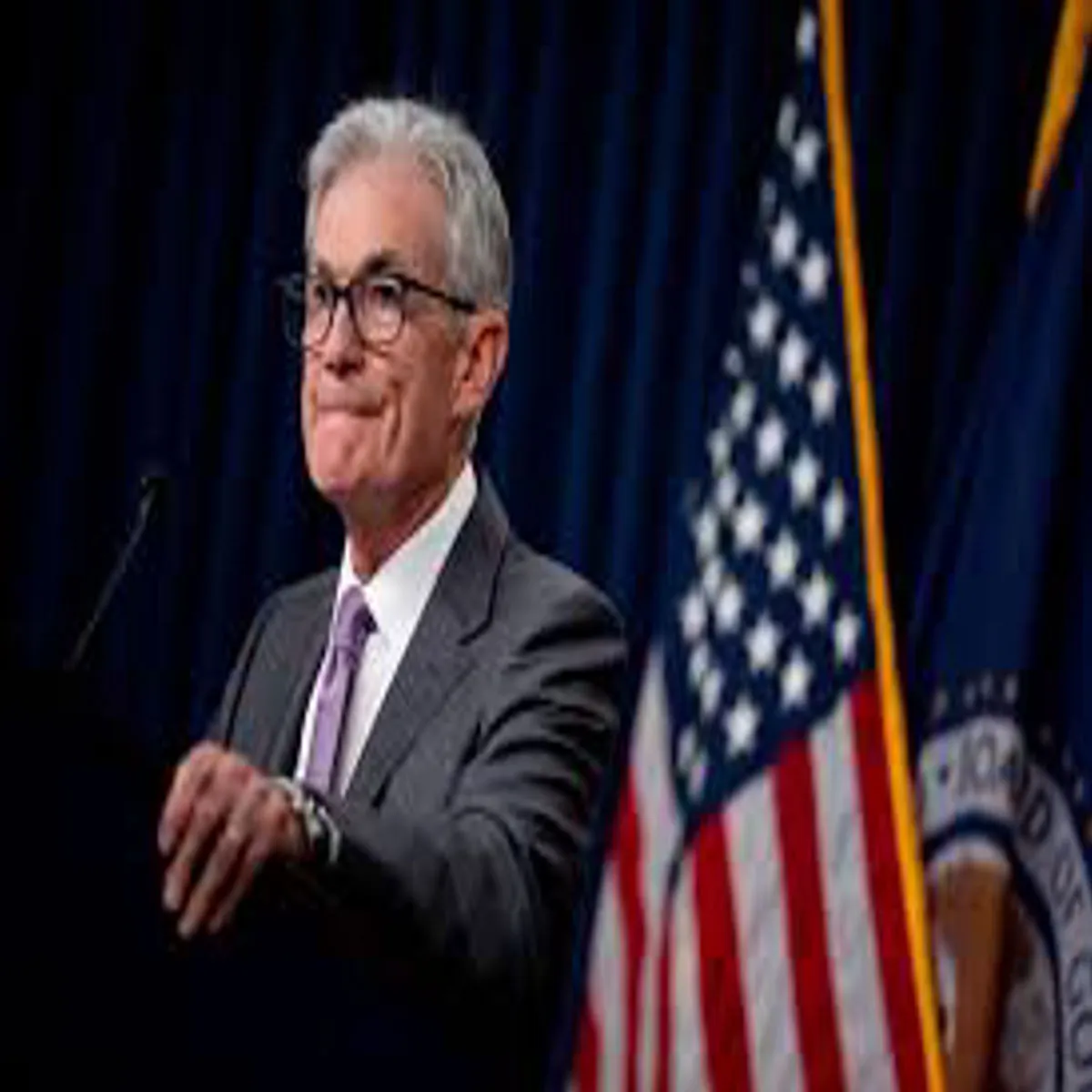
Recent statements from Fed Chair Jerome Powell indicate that while rate hikes may be nearing their peak, cuts are not imminent. The central bank remains wary of easing policy too soon, which could risk reigniting inflationary pressures. At the same time, keeping rates elevated for too long could strain economic growth and labor market stability.
Market participants are closely watching the Fed’s next moves, with futures data suggesting a growing expectation that rates will remain steady in the near term before potential cuts later in the year—provided inflation continues to trend downward.
Housing and Services Keep Core Inflation Elevated
One of the biggest challenges in reducing inflation lies in the housing sector, which continues to account for a significant portion of core CPI. Rent and shelter costs have remained stubbornly high, even as new lease data suggests some softening in certain metropolitan areas.
The services sector, including healthcare, insurance, and hospitality, is also contributing to persistent inflation. Unlike goods, where prices have stabilized or declined due to improved supply chains, services inflation tends to be more closely tied to wage growth and labor market conditions.
Despite some cooling in job growth, the U.S. labor market remains relatively tight, supporting wage increases that can feed into higher service costs. This dynamic is one of the key reasons the Fed remains cautious about declaring victory over inflation.
Stock Market Reacts with Measured Optimism
Financial markets responded positively—but cautiously—to the latest inflation data. Major indices, including the S&P 500 and Nasdaq, posted modest gains following the report, reflecting investor hopes that the Fed may avoid further aggressive rate hikes.
Bond yields also edged lower, signaling expectations of a more stable interest rate environment. However, volatility remains a factor, as traders continue to adjust their outlook based on incoming economic data and central bank communications.
Tech stocks, in particular, have shown resilience, benefiting from lower yield expectations and strong earnings performance. Meanwhile, sectors sensitive to interest rates, such as real estate and utilities, are beginning to stabilize after a challenging period.
Consumer Spending Remains Resilient Amid Uncertainty
Despite higher borrowing costs and lingering inflation, U.S. consumers continue to demonstrate resilience. Retail sales data indicates steady spending, particularly in essential categories and experiences such as travel and dining.
However, there are signs of shifting behavior. Households are becoming more selective in discretionary purchases, and credit card balances have reached record levels, raising concerns about long-term financial sustainability.
Savings rates, which surged during the pandemic, have gradually declined, suggesting that some consumers are relying more on credit to maintain their spending habits. This trend could become a risk factor if economic conditions tighten further.
Outlook: Slow Progress Expected Through 2026
Looking ahead, economists broadly anticipate a gradual decline in inflation over the next year, though the pace is expected to remain uneven. External factors, including global energy markets, geopolitical tensions, and supply chain disruptions, could influence the trajectory.
The Federal Reserve’s policy decisions will continue to play a central role in shaping economic conditions. While a soft landing—where inflation falls without triggering a recession—remains the preferred outcome, it is not guaranteed.
For businesses and investors, the current environment calls for cautious optimism. Strategic planning, cost management, and adaptability will be key as the economy transitions toward a more stable, post-inflation phase.