U.S. Finance Landscape in 2026: Markets, Rates, and Consumer Pressure
The U.S. financial landscape in 2026 reflects a period of adjustment rather than crisis. After several years of inflation shocks, aggressive interest-rate hikes, and volatile global markets, the American economy is gradually finding a new equilibrium. Investors, policymakers, and households alike are navigating an environment where borrowing costs remain elevated, consumer demand is moderating, and financial markets are increasingly sensitive to economic data.
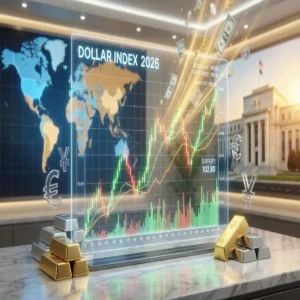
Recent economic reports from federal agencies and major financial institutions show a mixed but resilient picture. Employment levels remain relatively strong compared with historical averages, and consumer spending—while slower than during the post-pandemic surge—continues to support economic growth. At the same time, financial analysts note that higher interest rates are beginning to reshape behavior across sectors, from home buying to corporate borrowing.
Financial markets have responded with cautious optimism. Major U.S. indexes such as the S&P 500, Nasdaq Composite, and Dow Jones Industrial Average have experienced periods of volatility but continue to draw strong institutional investment. Analysts say the current environment is less about rapid growth and more about stability and sustainable expansion.
Another defining characteristic of today’s financial climate is the growing influence of technology and artificial intelligence within the economy. Companies investing heavily in AI infrastructure, cloud computing, and semiconductor development have attracted significant investor attention. This technological shift is not only driving stock market performance but also influencing broader capital allocation across the financial system.
For everyday Americans, the financial environment feels different than it did just a few years ago. Borrowing money—whether through mortgages, auto loans, or credit cards—has become noticeably more expensive. At the same time, savers are benefiting from higher yields on savings accounts, Treasury securities, and money market funds. This shift has created a financial balancing act for households trying to manage debt while also taking advantage of better returns on savings.
Economic Signals Shaping Financial Decisions
Across Wall Street and Main Street, economic indicators are now being scrutinized more closely than at any point since the pandemic recovery period. Investors and policymakers are watching data releases—from inflation reports to employment figures—because even small changes can influence interest-rate expectations and market performance.
One of the most closely watched indicators remains inflation, typically measured through the Consumer Price Index (CPI) and the Personal Consumption Expenditures (PCE) index. Recent data suggests that inflation has moderated significantly compared with the peaks seen earlier in the decade. However, economists caution that price growth remains above the Federal Reserve’s long-term target of roughly 2 percent, keeping policymakers cautious about loosening monetary policy too quickly.
Employment data also plays a central role in shaping financial decisions. The U.S. labor market has remained surprisingly resilient, with steady job creation in sectors such as healthcare, technology services, and infrastructure. Strong employment numbers generally support consumer spending, which accounts for nearly 70% of U.S. economic activity, according to data from the Bureau of Economic Analysis.
At the same time, there are signs of financial pressure emerging in certain areas. Consumer credit balances have grown, particularly in credit cards and personal loans. Financial institutions have reported a gradual increase in delinquency rates among some borrowers, a development analysts attribute to higher interest costs and persistent inflation in essential expenses like housing and insurance.
Another signal shaping financial decisions is the movement of U.S. Treasury yields. Treasury bonds often act as a benchmark for global finance, influencing everything from mortgage rates to corporate borrowing costs. When yields rise, investors often shift capital away from riskier assets such as growth stocks and toward safer government securities.
Financial strategists frequently describe the current moment as a “data-driven market.” Each major economic report—jobs numbers, inflation updates, retail sales—can shift expectations about where interest rates may move next. This heightened sensitivity explains why markets often react sharply even to relatively small economic surprises.
For investors and households alike, the message from the data is clear: the financial environment remains stable, but decisions about spending, investing, and borrowing must be made with greater awareness of economic trends than in the low-rate era that dominated much of the previous decade.
Why Financial Markets Are Watching the Fed Closely
Few institutions influence the U.S. financial system as powerfully as the Federal Reserve, and its policy decisions continue to dominate market discussions in 2026. After implementing one of the most aggressive rate-hiking cycles in decades to combat inflation, the central bank now faces the delicate challenge of maintaining economic stability without triggering a slowdown.
The Federal Reserve primarily controls monetary policy through adjustments to the federal funds rate, which determines the cost at which banks lend money to each other overnight. While this may sound technical, the ripple effects reach nearly every corner of the financial system. Mortgage rates, credit card interest, business loans, and even stock valuations can shift depending on expectations around Fed policy.
Market participants closely analyze every statement from the Federal Open Market Committee (FOMC), the group responsible for setting interest-rate policy. Investors look for subtle language changes in official statements or speeches from Fed officials that might hint at future policy moves.
One reason the Fed’s actions carry such weight is that the U.S. dollar sits at the center of the global financial system. Decisions made in Washington can influence currency markets, emerging-market capital flows, and international investment strategies. When U.S. interest rates rise, global investors often move capital into dollar-denominated assets, strengthening the currency and affecting trade dynamics.
Financial analysts often describe the Fed’s challenge as balancing two competing goals: controlling inflation while supporting employment. If rates remain too high for too long, borrowing could slow business investment and consumer spending. If rates fall too quickly, inflation pressures could return.
This delicate balancing act has created a market environment where investors constantly reassess risk. Traders watch Fed speeches, policy meetings, and economic forecasts with extraordinary attention. Even a small change in tone can send stock indexes higher or lower within minutes.
For American households, the Federal Reserve’s decisions translate into practical financial consequences. Mortgage affordability, credit card interest rates, savings yields, and retirement investments all depend—directly or indirectly—on how the central bank navigates the economic landscape in the months ahead.