US Schools Accelerate AI Literacy and Career-Focused Learning Programs
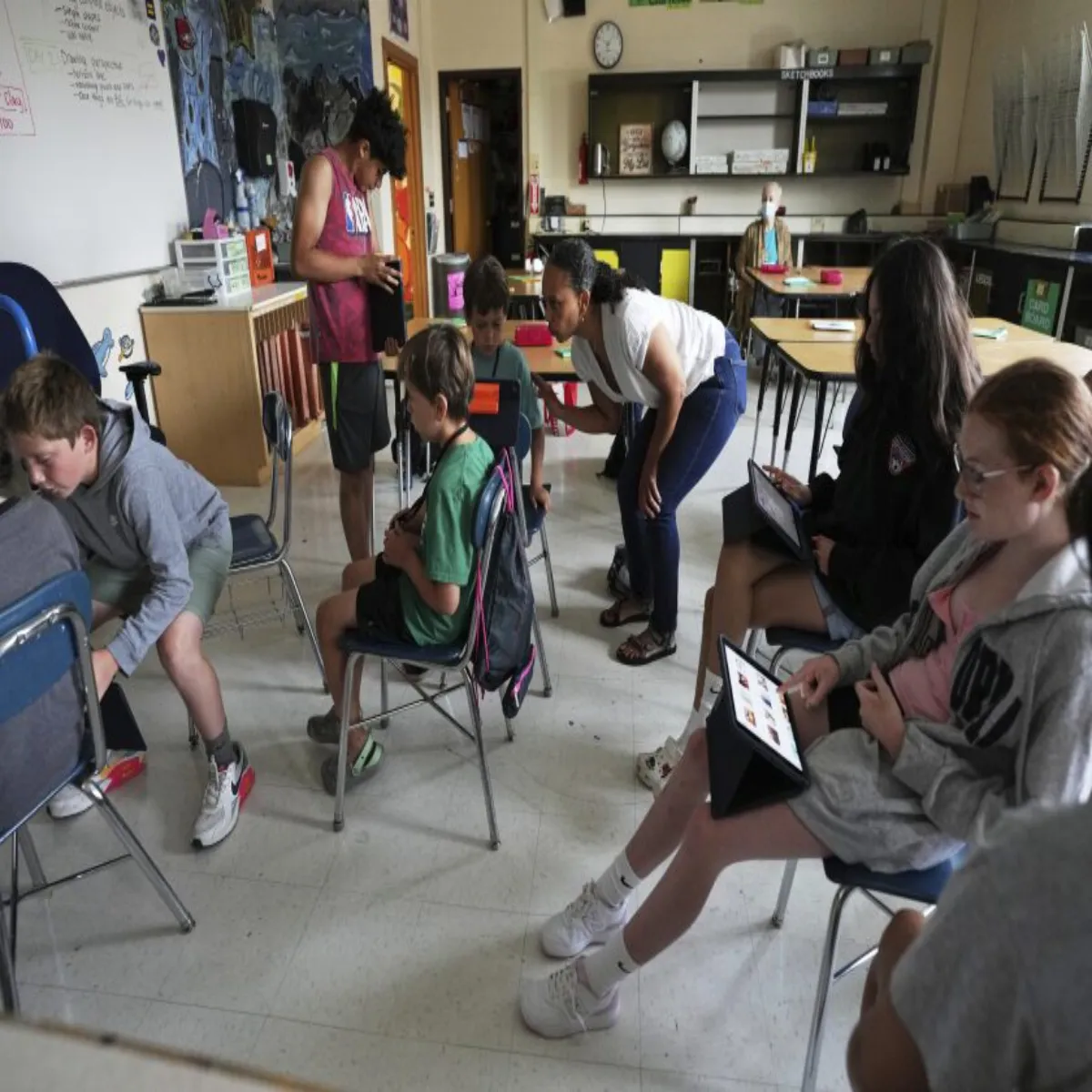
US Schools Accelerate: Across the United States, school districts, colleges, and state education agencies are rapidly reshaping how students learn in response to changing workforce demands. From artificial intelligence literacy to career-focused pathways in high school, education leaders say the goal is simple: prepare students for a labor market that increasingly values digital skills, adaptability, and practical experience. Federal and state initiatives, along with partnerships between schools and technology companies, are pushing American classrooms toward a more skills-driven model of learning. While educators continue to debate how quickly these changes should happen, the shift is already visible in many districts as schools experiment with new curricula, teacher training programs, and career-connected learning opportunities.

Schools Expand AI and Digital Literacy in Classrooms
Artificial intelligence is moving from a niche topic in computer science classes to a broader component of K-12 education. Several states—including California, Texas, and Florida—have begun exploring guidelines that encourage schools to introduce students to AI literacy, digital ethics, and data awareness.
Education experts say the push reflects a simple reality: today’s students will likely work in industries where AI tools are common. According to the World Economic Forum, nearly 44% of workers’ skills could change by the end of the decade due to automation and new technologies. That statistic has pushed many school districts to rethink traditional technology education.
Some districts are introducing AI lessons as early as middle school, focusing on concepts such as algorithm bias, responsible technology use, and how AI tools assist in everyday work. Rather than teaching students only how to code, schools increasingly emphasize understanding how technology shapes decisions, from recommendation algorithms to automated hiring systems.
Teachers are also being trained to incorporate AI tools carefully into assignments. In some classrooms, students use generative AI to brainstorm ideas or analyze data, while teachers focus on critical thinking and evaluation skills. Education leaders say the challenge is balancing innovation with academic integrity and ensuring technology supports learning rather than replacing it.
Career-Focused Pathways Gain Momentum in High Schools
At the same time, high schools across the country are expanding career and technical education (CTE) programs. These programs allow students to graduate with certifications or work experience in fields such as healthcare, cybersecurity, advanced manufacturing, and renewable energy.
According to data from the National Center for Education Statistics (NCES), more than 8 million high school students participate in CTE programs nationwide. In recent years, states have invested heavily in expanding these pathways, often partnering with local employers to ensure the curriculum aligns with real workforce needs.
For example, some districts now offer programs where students split time between traditional academic classes and hands-on training at industry partner sites. A student interested in information technology might complete cybersecurity coursework while also participating in internships with local tech companies.
Supporters argue that career-connected learning helps students see the practical value of education. It can also reduce the gap between high school graduation and employment readiness, particularly in industries facing labor shortages. Healthcare, construction, and technology sectors have all expressed growing interest in hiring students who already possess entry-level certifications.
Community Colleges See Renewed Interest
Community colleges, long considered a gateway to affordable higher education, are also seeing renewed attention as workforce demands shift. After a significant enrollment drop during the pandemic, many two-year institutions have begun reporting gradual rebounds.
The American Association of Community Colleges notes that these institutions enroll nearly half of all undergraduate students in the United States at some point during their education journey. They are increasingly offering short-term credential programs designed to help students move quickly into high-demand jobs.
Programs lasting six months to two years—often in fields like medical technology, logistics, and cloud computing—have gained popularity among both recent high school graduates and adults seeking career changes. Some states have also introduced tuition-free community college initiatives to encourage enrollment and workforce development.
Education analysts say community colleges play a critical role in bridging the gap between traditional degrees and emerging job skills. Their flexibility allows programs to adapt faster than many four-year institutions when industries evolve.
Ongoing Debate Over Technology and Learning Quality
Despite enthusiasm for innovation, educators remain cautious about how quickly schools should integrate new technologies. Critics warn that rapid adoption of digital tools could widen existing educational gaps if schools in lower-income areas lack resources.
There are also concerns about student privacy and the reliability of AI-generated information. Several districts have created policies outlining how teachers and students can responsibly use AI tools in coursework, emphasizing transparency and critical evaluation of digital content.
Teacher organizations stress that technology should support—not replace—human instruction. Many educators argue that the most effective classrooms still rely on strong relationships between teachers and students, even as digital tools become more common.
Education researchers also note that the benefits of technology depend heavily on how it is used. Studies from organizations such as RAND Education suggest that digital tools improve learning outcomes most effectively when paired with well-designed curricula and professional development for teachers.
What the Future of U.S. Education May Look Like
Looking ahead, many policymakers believe the American education system is entering a period of rapid transformation. Workforce demands, demographic changes, and advances in technology are pushing schools to rethink traditional academic models.
Experts predict that future classrooms may combine academic subjects with real-world problem solving, digital literacy, and career exploration earlier in students’ educational journeys. Hybrid learning models—mixing classroom instruction with online resources—are also expected to continue evolving.
At the same time, educators emphasize that the core mission of education remains unchanged: helping students develop knowledge, critical thinking skills, and the ability to adapt in a complex world.
As schools experiment with new approaches, one thing is increasingly clear. Preparing students for the future will require more than memorizing facts—it will demand the ability to understand technology, collaborate with others, and keep learning long after graduation.
Education reform, AI in schools, digital literacy, career and technical education, US schools, community colleges, workforce skills, AI education policy, student career pathways, education technology,