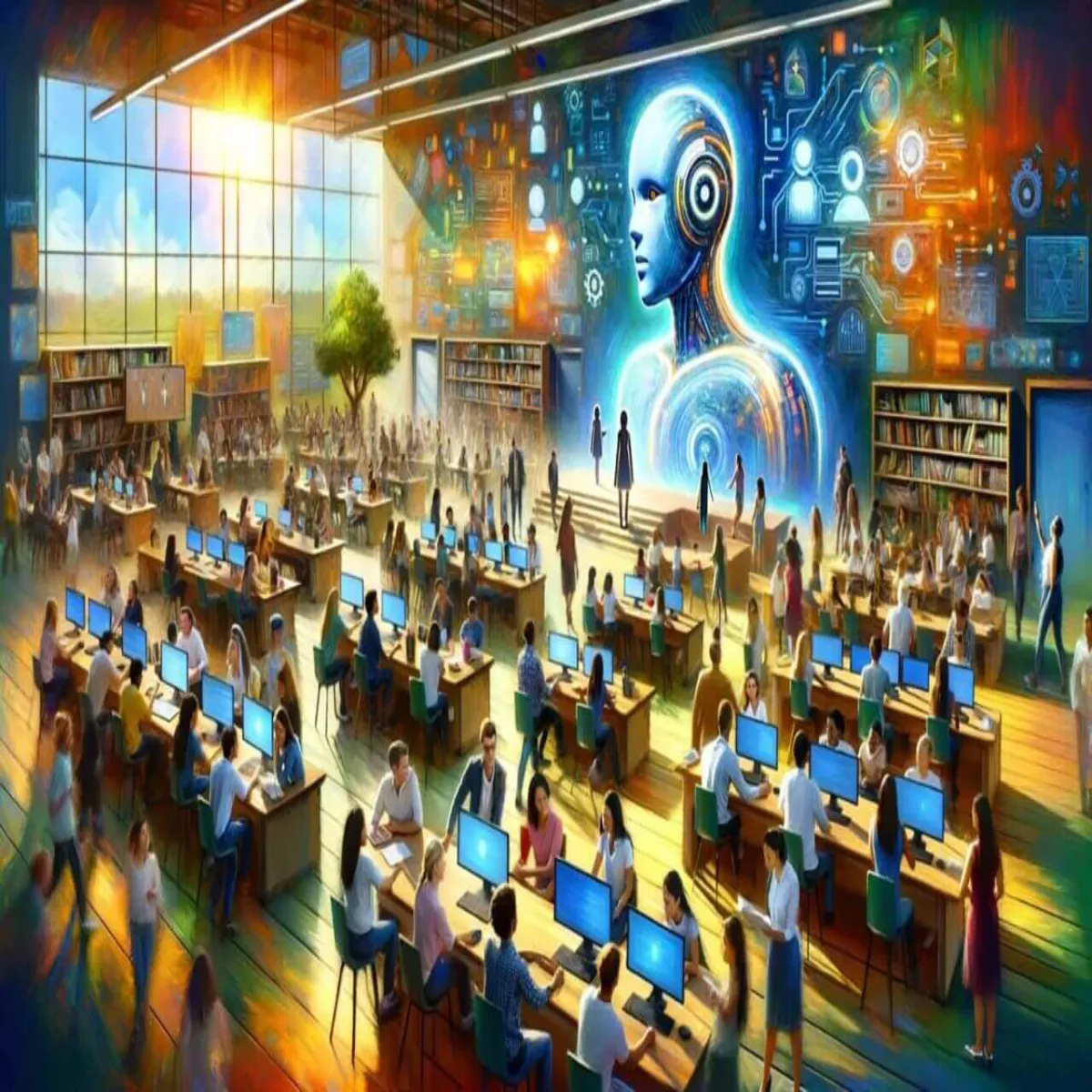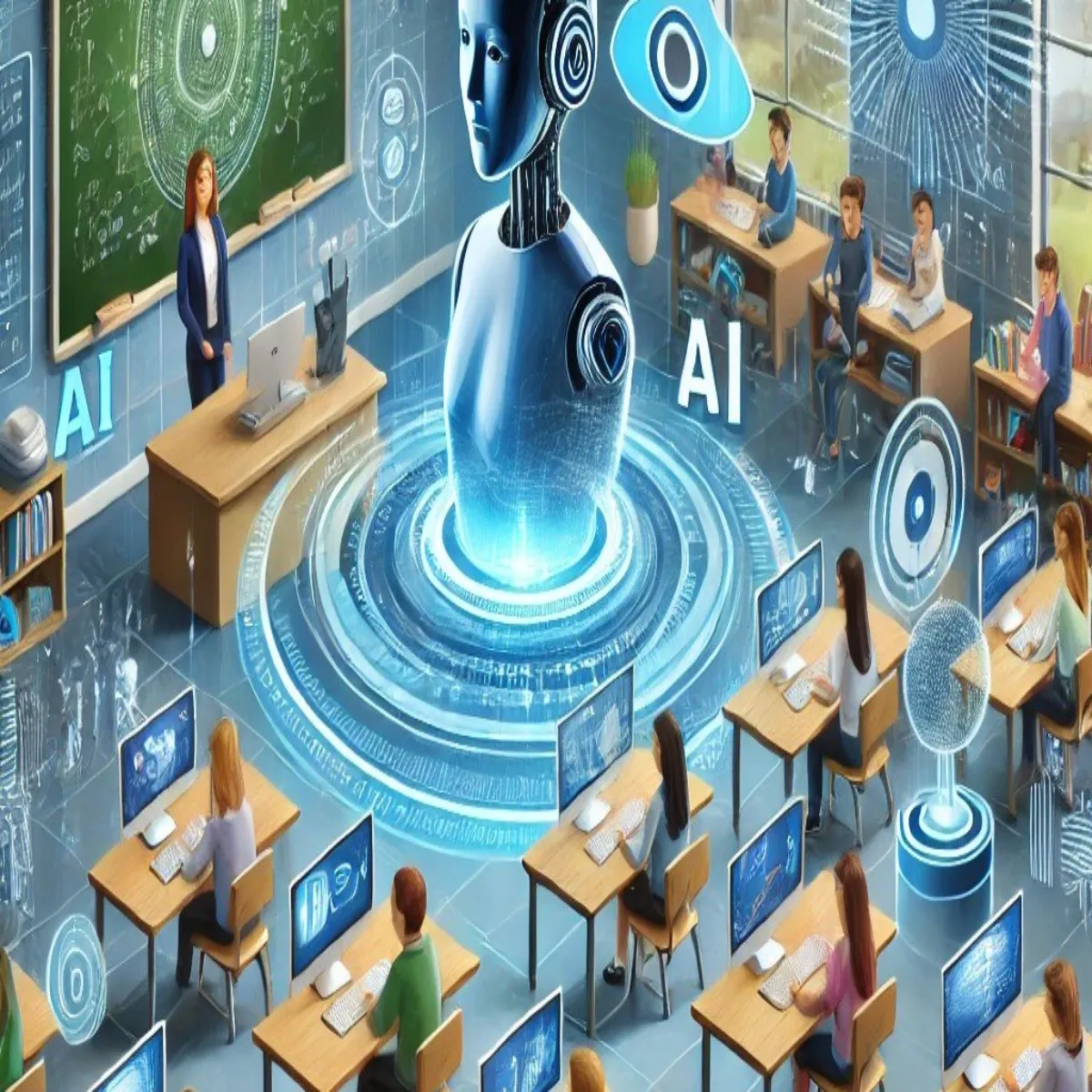
U.S. Education System: Faces Rapid Change as Schools Embrace AI
U.S. Education System: The American education system is undergoing one of the most significant transformations in decades. From artificial intelligence tools in classrooms to shifting enrollment patterns and policy reforms, schools and universities across the United States are adapting to a rapidly changing learning landscape. Education leaders say the changes are being driven by a mix of technological innovation, labor market demands, and the lingering effects of the COVID-19 pandemic.
Recent federal and state data show that while student learning recovery is underway, schools are still grappling with gaps in achievement, teacher shortages, and uneven access to digital resources. At the same time, education technology companies are rapidly expanding into classrooms, offering AI-powered tutoring platforms, personalized learning software, and automated grading systems.
According to the National Center for Education Statistics (NCES), more than 49.6 million students were enrolled in U.S. public elementary and secondary schools in 2024, and the number is expected to grow gradually through the decade. Meanwhile, higher education institutions are facing a different reality, with some universities experiencing declining enrollment while community colleges see renewed interest from students seeking job-ready skills.
Education experts say the changes are not simply technological—they reflect a broader shift in how Americans think about learning. The traditional pathway of classroom instruction followed by a four-year college degree is evolving. Employers are increasingly valuing practical skills, digital literacy, and adaptable knowledge.
As school districts, policymakers, and educators respond to these changes, the future of American education is being reshaped in real time. The coming years may determine how effectively schools prepare students for a workforce increasingly defined by automation, data, and global competition.
The Current State of Education in the United States (2025)
Across the United States, education systems are showing signs of recovery while still confronting structural challenges that emerged or intensified during the pandemic years. Test scores, enrollment patterns, and school funding levels all tell a complex story—one that reflects both resilience and persistent gaps in the system.
Recent national assessments reveal that students are gradually regaining ground academically. The National Assessment of Educational Progress (NAEP), often called the “Nation’s Report Card,” reported modest improvements in math and reading scores in several states in 2024 after historic declines earlier in the decade. However, performance remains below pre-pandemic levels in many districts, particularly in communities with higher poverty rates.
Education leaders say the recovery is uneven because schools faced very different circumstances during remote learning years. Urban districts with large populations of low-income students experienced deeper learning disruptions, while some suburban districts recovered more quickly due to better access to technology and support services.
Funding also remains a central issue. Federal pandemic relief programs, including the Elementary and Secondary School Emergency Relief (ESSER) funds, provided billions of dollars to school districts between 2020 and 2024. Many schools used the funds to hire tutors, expand mental health services, and invest in digital infrastructure. As those funds expire, administrators are now grappling with difficult decisions about which programs can continue.
Teacher shortages represent another pressing concern. According to the Learning Policy Institute, several states—including Florida, Texas, and Arizona—continue to report thousands of unfilled teaching positions. The shortage has prompted some states to loosen certification requirements or offer signing bonuses to attract new educators.
At the same time, there are signs of innovation emerging from the disruption. Schools are experimenting with hybrid learning models, competency-based education, and career-focused programs designed to prepare students for evolving job markets. While the challenges remain significant, many educators see this period as a turning point that could redefine how learning happens in the United States.
Enrollment Trends Across K–12 and Higher Education
Enrollment data across the U.S. education system reveal diverging patterns between K–12 schools and colleges, highlighting shifting demographics and changing attitudes toward higher education. Public elementary and secondary schools have largely stabilized after several years of pandemic-related declines, but the story is more complicated in the world of colleges and universities.
According to the U.S. Department of Education, K–12 enrollment dropped by roughly 1.2 million students between 2020 and 2022 as families relocated, delayed kindergarten entry, or shifted to homeschooling and private schools. By 2024, many districts reported that enrollment had begun to rebound, particularly in early elementary grades where younger students are entering school again.
Homeschooling, however, remains significantly higher than pre-pandemic levels. Several surveys suggest that millions of families who tried home-based education during lockdowns have continued with the approach, citing flexibility and concerns about school safety or curriculum control.
Higher education is facing a more complicated transition. The National Student Clearinghouse Research Center reported that total U.S. college enrollment declined for several consecutive years before stabilizing in 2024. Traditional four-year universities have been particularly affected, with some smaller institutions struggling financially due to fewer incoming students.
Community colleges, on the other hand, are experiencing renewed interest. Enrollment in these institutions rose in 2024 as more Americans pursued shorter, career-focused programs in fields like healthcare, cybersecurity, and advanced manufacturing. Education analysts say this shift reflects a growing awareness among students that shorter training pathways can lead to stable employment more quickly than traditional degree programs.
Demographic changes are also playing a role. The number of high school graduates in several regions of the United States is expected to decline later this decade due to lower birth rates following the 2008 financial crisis. Colleges are already preparing for what some analysts call the “enrollment cliff,” which could significantly reshape the higher education landscape.
These trends suggest that American education is entering a period where flexibility and adaptability will become central priorities for both schools and universities.