U.S. Education System Faces Major Shifts as Schools Embrace AI, Funding Reforms
U.S. Education System: Education in the United States is undergoing one of its most significant transitions in decades, as policymakers, school districts, and universities respond to rapid technological change, workforce demands, and evolving student needs. Across the country, classrooms are integrating artificial intelligence tools, state governments are reconsidering how schools are funded, and educators are still working to close academic gaps that widened during the COVID-19 pandemic. According to the National Center for Education Statistics (NCES), more than 49 million students attend public K-12 schools in the U.S., making education policy one of the most influential factors shaping the country’s long-term economic future.

Recent federal and state initiatives signal a growing recognition that the American education system must adapt quickly to prepare students for a workforce increasingly defined by digital skills, automation, and global competition. At the same time, concerns about teacher shortages, rising college costs, and unequal access to technology continue to dominate national discussions. As these changes unfold, schools across the United States are experimenting with new strategies—from AI-driven tutoring platforms to expanded career-technical programs—aimed at making education more relevant, accessible, and resilient for the next generation of learners.
Why Education Is Once Again a National Priority in the United States
Education policy has returned to the center of national debate in the United States as lawmakers, employers, and families grapple with how well the system is preparing students for a rapidly changing economy. Over the past several years, concerns about student achievement, workforce readiness, and economic competitiveness have pushed education back into the spotlight. Major employers increasingly emphasize skills such as digital literacy, critical thinking, and adaptability—qualities that many experts believe traditional classroom models do not always emphasize enough.
The urgency surrounding education reform has also grown as international comparisons highlight challenges for American students. Data from global assessments such as the Programme for International Student Assessment (PISA) have shown U.S. students performing around the middle of the pack compared with other developed nations in math and science. While American schools remain strong in areas like creativity and higher-education research, policymakers worry that gaps in foundational academic performance could affect long-term economic competitiveness.
Economic trends are also playing a role in the renewed focus on education. Industries such as technology, clean energy, healthcare, and advanced manufacturing are expanding rapidly across the United States, creating demand for workers with specialized skills. According to projections from the U.S. Bureau of Labor Statistics, many of the fastest-growing occupations require postsecondary education or technical training. This has pushed education leaders to rethink how schools prepare students—not only for college but also for careers that require certifications, apprenticeships, or technical expertise.
Public opinion has also influenced policy discussions. Surveys conducted by organizations like Gallup and Pew Research Center consistently show that American parents view education quality as one of their top concerns. Families want schools that provide strong academic foundations while also preparing students for real-world opportunities. That pressure has led many states to experiment with new education models, including career academies, STEM-focused programs, and partnerships between schools and local industries.
As debates continue, education leaders increasingly agree on one point: the traditional one-size-fits-all model may no longer meet the needs of today’s students. Whether through technology, policy reform, or new teaching strategies, the U.S. education system is entering a period of transformation aimed at better aligning classrooms with the realities of the modern economy.
Rising Concerns About Student Achievement
Student achievement has become one of the most closely watched indicators in the national education conversation, especially after academic setbacks linked to pandemic disruptions. Standardized assessment data collected across multiple states show that many students—particularly in math and reading—are still working to regain ground lost during remote learning periods. Educators say the challenge is not simply about recovering missed lessons; it’s about addressing deeper gaps in comprehension, engagement, and academic confidence.
One of the most widely cited indicators of learning trends in the United States is the National Assessment of Educational Progress (NAEP), often called the “Nation’s Report Card.” Recent NAEP results revealed declines in math and reading scores among both fourth-grade and eighth-grade students, sparking concern among educators and policymakers. These declines were especially pronounced among students from lower-income households, highlighting long-standing inequities in access to educational resources.
Experts say the issue is complex and cannot be traced to a single cause. Pandemic-related disruptions, teacher shortages, mental health challenges, and differences in access to technology all played a role. In many communities, schools shifted between in-person and remote instruction multiple times, creating learning environments that were difficult for both students and teachers to navigate.
School districts across the country are responding with a variety of strategies aimed at improving academic outcomes. Some districts have adopted high-dosage tutoring programs, where students receive daily small-group instruction focused on specific subjects like math or reading. Others are redesigning curricula to focus on foundational skills before introducing more advanced material. Early results from pilot programs suggest that targeted support can help accelerate learning recovery.
Parents are also becoming more involved in conversations about academic performance. Many families are paying closer attention to curriculum standards, assessment results, and school accountability measures. This increased engagement is influencing local school board decisions and shaping broader policy discussions at the state and federal levels.
While the road to full academic recovery may take several years, education leaders emphasize that the current focus on achievement could ultimately lead to stronger systems. By identifying gaps and investing in targeted solutions, schools may be able to build more resilient learning environments capable of supporting every student.
Workforce Demands Are Reshaping Education Policy
Economic transformation in the United States is pushing education leaders to rethink how students prepare for careers. As automation, artificial intelligence, and advanced technologies reshape industries, employers increasingly look for workers with both technical knowledge and adaptable problem-solving skills. This shift is influencing education policy at every level—from K-12 schools to universities and workforce training programs.
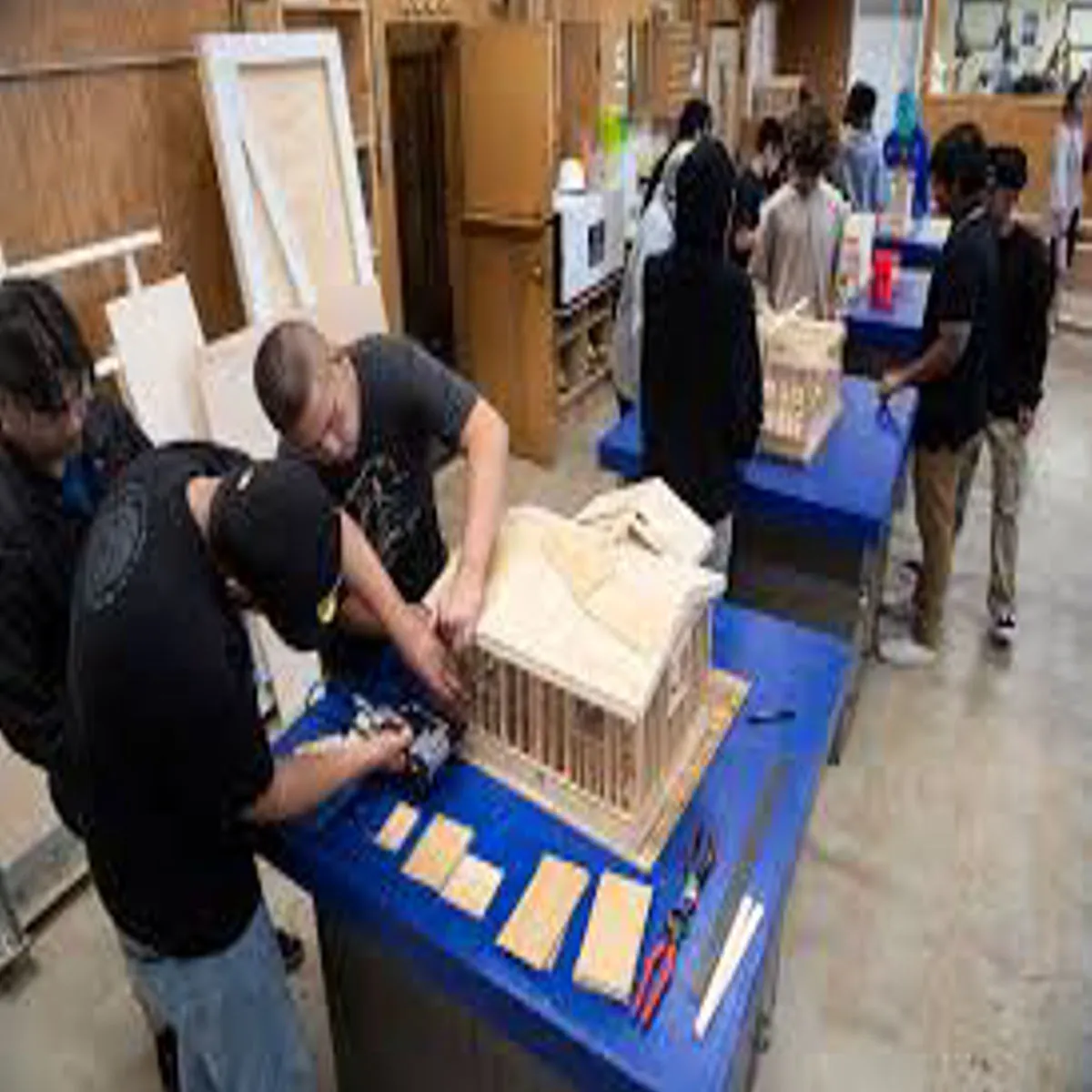
Many states are expanding career and technical education (CTE) programs to give students earlier exposure to practical skills. These programs allow high school students to explore fields such as healthcare technology, cybersecurity, advanced manufacturing, and renewable energy while still completing their academic coursework. Supporters argue that CTE programs help bridge the gap between classroom learning and real-world job opportunities.
Employers are also becoming more involved in shaping educational pathways. In several states, partnerships between school districts and local industries are creating apprenticeship programs that allow students to gain hands-on experience before graduating. For example, technology companies in states like Texas, California, and North Carolina have collaborated with schools to introduce coding academies and cybersecurity training programs aimed at preparing students for high-demand careers.
Another growing trend is the shift toward skills-based hiring. Some major companies—including firms in the technology and finance sectors—have begun removing traditional degree requirements from certain job listings, focusing instead on demonstrated skills and certifications. This trend is encouraging colleges and training institutions to offer shorter, more flexible credential programs that align with workforce needs.
Education policy discussions in Washington, D.C., increasingly reflect these workforce realities. Federal initiatives supporting STEM education, apprenticeships, and workforce development grants are designed to strengthen the connection between education and economic growth. Policymakers argue that investing in education is not only about improving academic outcomes but also about ensuring the country remains competitive in a global economy.
As industries evolve, the relationship between education and employment is becoming more closely intertwined. Schools are no longer seen solely as places for academic instruction; they are increasingly viewed as critical pipelines for the future workforce. That shift is likely to shape education reforms across the United States for years to come.