US Crypto Market Sees Renewed Momentum Amid Regulatory Clarity and Institutional Growth
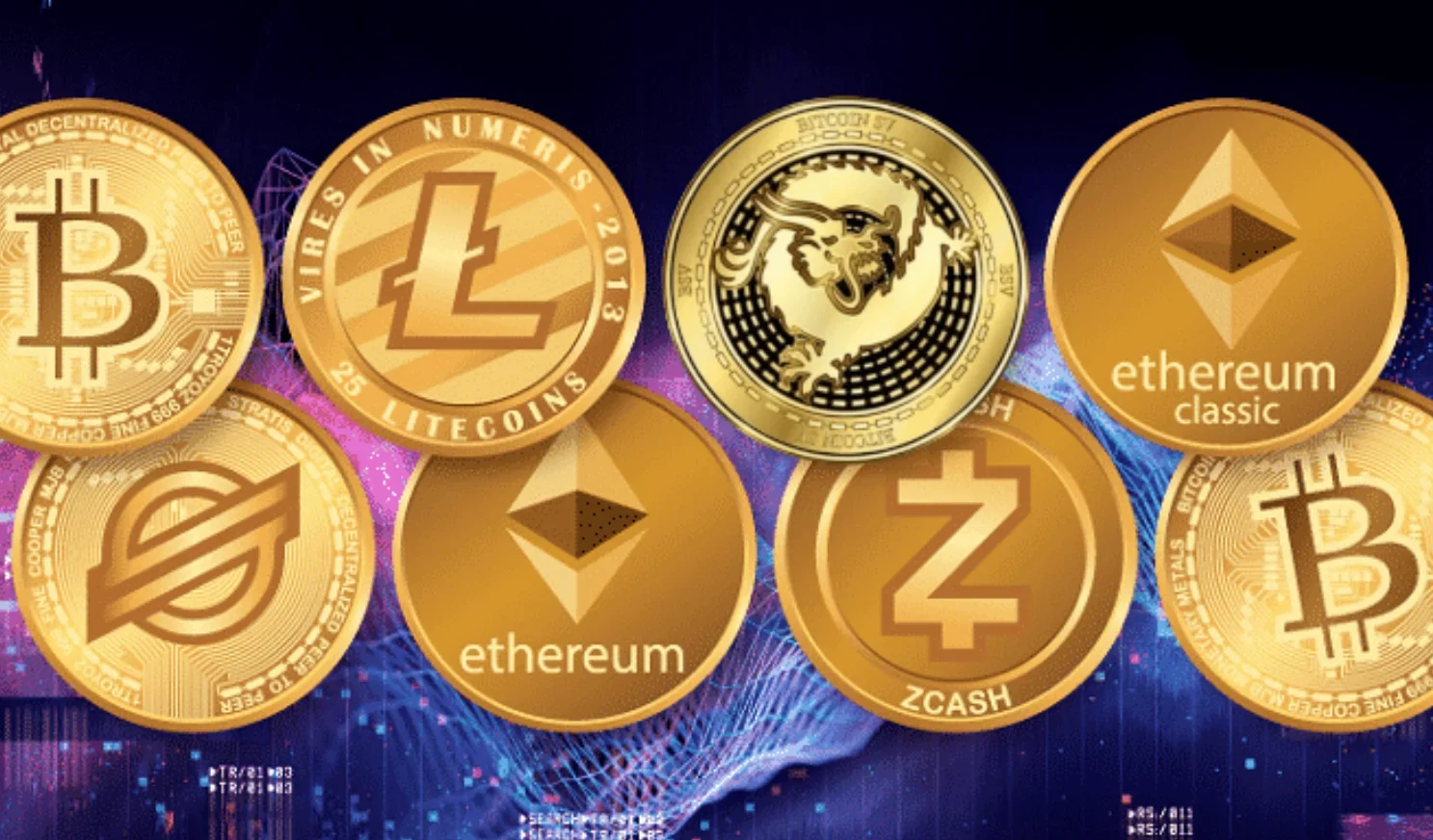
US Crypto Market – The cryptocurrency market in the United States is experiencing a fresh wave of momentum in 2026, driven by clearer regulatory signals, increasing institutional participation, and renewed retail interest. After a volatile period marked by uncertainty and enforcement actions, the landscape is gradually stabilizing, offering both opportunities and caution for investors. Market data from early 2026 indicates that major digital assets like Bitcoin and Ethereum have regained strength, while new blockchain innovations continue to shape investor sentiment across the country.

Regulatory Developments Bring Much-Needed Stability
One of the biggest shifts influencing the US crypto market is the evolving regulatory framework. Over the past year, federal agencies such as the SEC and CFTC have taken more defined positions on digital assets, helping reduce ambiguity that previously discouraged institutional involvement. While enforcement actions still occur, there is now a clearer distinction between securities and commodities in the crypto space.
This clarity has encouraged major financial institutions to expand their crypto-related services. Several US-based asset managers have launched or proposed Bitcoin and Ethereum ETFs, making it easier for traditional investors to gain exposure without directly holding digital assets. According to recent filings and market reports, institutional inflows into crypto-linked funds have increased significantly compared to previous years, signaling growing confidence.
Institutional Investors Drive Market Confidence
Institutional adoption has become a key pillar supporting the crypto market’s recent growth in the United States. Large hedge funds, pension funds, and publicly traded companies are gradually increasing their exposure to digital assets, often viewing them as a hedge against inflation and a diversification tool.
Data from industry analytics firms suggests that institutional trading volumes now account for a substantial portion of total crypto transactions in the US. This shift is not only stabilizing price fluctuations but also improving market maturity. Financial giants like BlackRock and Fidelity continue to expand their blockchain and crypto offerings, reinforcing the perception that digital assets are becoming part of mainstream finance rather than remaining a niche investment.
Retail Interest Rebounds with Cautious Optimism
While institutional activity has grown, retail investors in the US are also returning to the market, though with a more cautious approach than during previous bull cycles. Search trends and app downloads for crypto trading platforms show a steady uptick, indicating renewed curiosity among everyday investors.
However, unlike the speculative surge seen in earlier years, many retail participants are now focusing on long-term strategies rather than short-term gains. Educational resources, improved user interfaces, and increased awareness of risks have contributed to a more informed investor base. This shift is helping create a healthier ecosystem, where decisions are less driven by hype and more by data and fundamentals.
Bitcoin and Ethereum Lead Market Recovery
Bitcoin and Ethereum remain at the center of the US crypto narrative, continuing to dominate market capitalization and investor attention. Bitcoin, often referred to as “digital gold,” has benefited from macroeconomic factors such as interest rate expectations and currency fluctuations. Meanwhile, Ethereum’s ongoing network upgrades and its role in decentralized finance (DeFi) and Web3 applications have strengthened its long-term outlook.
Recent price movements suggest a gradual but steady recovery, rather than a rapid spike. Analysts note that this kind of growth pattern is typically more sustainable, reducing the likelihood of sudden market corrections. As of early 2026, both assets have shown resilience, maintaining investor confidence despite broader economic uncertainties.
Emerging Trends: Tokenization and Real-World Assets
Beyond the major cryptocurrencies, new trends are reshaping how digital assets are used in the US. One of the most notable developments is the rise of tokenized real-world assets (RWAs). From real estate to treasury bonds, traditional assets are increasingly being represented on blockchain networks, offering improved liquidity and accessibility.
This trend has attracted interest from both fintech startups and established financial institutions. Experts believe tokenization could bridge the gap between traditional finance and decentralized systems, unlocking new opportunities for investors. While still in early stages, the concept is gaining traction and could become a defining feature of the next phase of crypto adoption in the US.
Risks and Challenges Remain in Focus
Despite the positive momentum, the US crypto market still faces several challenges. Regulatory changes, while clearer, are not fully finalized, and unexpected policy shifts could impact market dynamics. Additionally, cybersecurity threats and fraud cases continue to pose risks for investors and platforms alike.
Market volatility also remains a key concern. Although institutional involvement has improved stability, crypto assets are still more volatile than traditional investments. Financial advisors often recommend cautious allocation and thorough research before entering the market.
Outlook for 2026: Growth with Guardrails
Looking ahead, the outlook for the US cryptocurrency market appears cautiously optimistic. The combination of regulatory clarity, institutional backing, and evolving use cases is creating a more structured environment for growth. Analysts expect continued expansion, particularly in areas like blockchain infrastructure, decentralized finance, and tokenized assets.
At the same time, the emphasis on compliance and investor protection is likely to shape the pace and direction of this growth. Rather than explosive gains, the market may continue to mature steadily, attracting a broader range of participants.
For US investors, the current phase represents a transition from speculation-driven cycles to a more disciplined and integrated financial ecosystem. As the crypto industry continues to evolve, staying informed and adapting to changing conditions will remain essential for navigating this dynamic market.