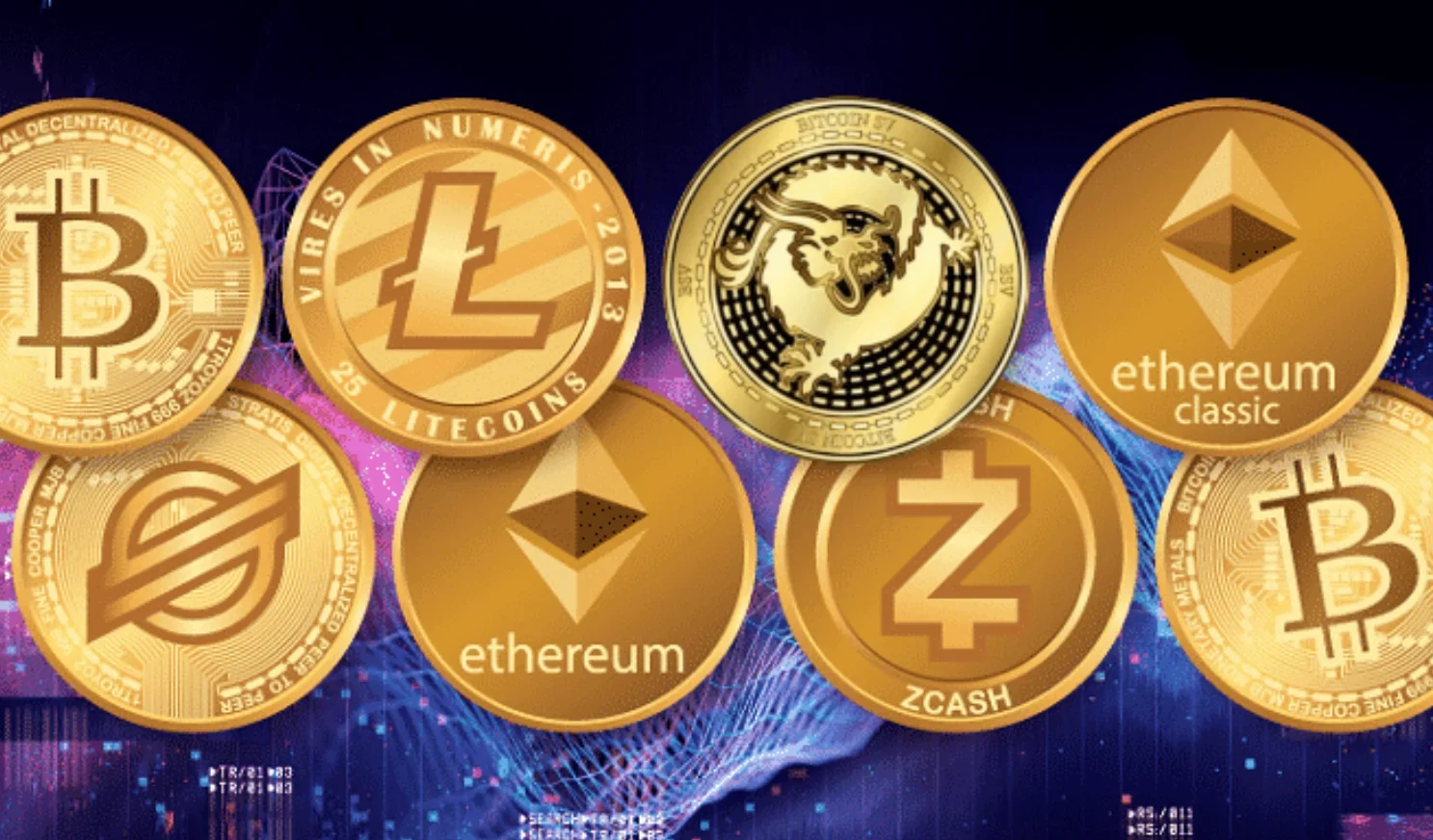
U.S. Crypto Market Faces New Phase as Regulation, ETFs, and Adoption Accelerate
U.S. Crypto Market: The cryptocurrency market in the United States is entering a defining phase in 2025, shaped by clearer regulation, rising institutional participation, and renewed interest from retail investors. After years of volatility, legal uncertainty, and high-profile collapses, digital assets are steadily finding a more structured place within the U.S. financial system. Recent developments suggest that crypto is no longer operating on the fringes of finance, but moving closer to the mainstream.

A Regulatory Environment That Is Finally Taking Shape
One of the most significant shifts in the U.S. crypto landscape is the gradual emergence of clearer regulatory boundaries. Over the past year, federal agencies such as the Securities and Exchange Commission (SEC) and the Commodity Futures Trading Commission (CFTC) have increased coordination, signaling a more defined approach to digital asset oversight.
While debates continue around whether certain tokens should be classified as securities or commodities, the broader direction is becoming clearer for investors and companies alike. Lawmakers have also pushed forward bipartisan discussions on stablecoin frameworks and consumer protection measures. For U.S.-based crypto firms, this clarity—though still evolving—reduces compliance ambiguity and lowers long-term operational risk.
Spot Bitcoin ETFs Change Market Dynamics
The approval and expansion of spot Bitcoin exchange-traded funds (ETFs) in the U.S. have reshaped market participation. These ETFs allow investors to gain exposure to Bitcoin without directly holding the asset, removing technical barriers that once discouraged traditional investors.
Since their launch, spot Bitcoin ETFs have attracted billions of dollars in inflows, largely from institutional players such as pension funds, asset managers, and financial advisors. Analysts note that this shift has helped stabilize Bitcoin’s price behavior compared to previous cycles, as long-term holders replace short-term speculative traders.
Institutional Adoption Continues to Grow
Beyond ETFs, institutional adoption of crypto assets is expanding in other areas. Major U.S. banks are exploring blockchain-based settlement systems, while payment processors are integrating crypto-related services for cross-border transactions. Some publicly traded companies continue to hold Bitcoin on their balance sheets as a hedge against inflation and currency risk, though this strategy remains selective.
According to industry data, institutional trading volumes now account for a significant share of U.S. crypto market activity. This trend is widely seen as a sign of maturation, even as risks remain.
Retail Investor Interest Shows Signs of Recovery
After cooling off during the 2022–2023 downturn, retail interest in cryptocurrency is gradually returning in the U.S. Search trends indicate renewed curiosity around Bitcoin, Ethereum, and blockchain applications, particularly among younger investors.
However, behavior has changed. Many retail participants are now more cautious, favoring established assets over speculative tokens. Educational content, security awareness, and long-term investment strategies are receiving more attention than quick-profit narratives that dominated earlier cycles.
Stablecoins Play a Larger Role in the Digital Economy
Stablecoins, particularly those pegged to the U.S. dollar, have become a critical component of the crypto ecosystem. They are widely used for trading, remittances, and decentralized finance applications. U.S. policymakers are increasingly focused on stablecoin oversight, recognizing their growing influence on financial markets.
Proposed legislation aims to ensure transparency, reserve backing, and consumer protections without stifling innovation. Industry observers believe that regulated stablecoins could strengthen the dollar’s role in the digital economy rather than weaken it.
Security and Consumer Protection Remain Central Concerns
Despite progress, security remains a top issue. Cyberattacks, exchange hacks, and fraud cases continue to surface, reminding investors of the sector’s vulnerabilities. U.S. regulators have emphasized the importance of compliance, proper custody practices, and clear disclosures to protect consumers.
In response, many platforms have increased investment in security infrastructure, insurance coverage, and third-party audits. These steps are seen as essential for building long-term trust, particularly among mainstream users.
Crypto’s Role in the Broader U.S. Economy
Beyond trading and investment, blockchain technology is finding applications in supply chains, digital identity, and data management. Several U.S.-based startups are working with government agencies and large corporations to test real-world use cases.
While cryptocurrency prices often dominate headlines, industry experts stress that the underlying technology may have the most lasting economic impact. The U.S. remains a global hub for blockchain innovation, supported by venture capital funding and a strong tech ecosystem.
Market Outlook Remains Cautiously Optimistic
Looking ahead, analysts describe the U.S. crypto market outlook as cautiously optimistic. Regulatory clarity, institutional involvement, and technological development provide a stronger foundation than in previous cycles. At the same time, macroeconomic factors such as interest rates, inflation, and global market conditions will continue to influence crypto prices.
Most experts agree that extreme volatility is unlikely to disappear entirely, but the market is becoming more resilient. For U.S. investors, crypto is increasingly viewed as a high-risk, long-term asset class rather than a short-term speculative bet.
Conclusion
The cryptocurrency market in the United States is transitioning from experimentation to integration. With regulation evolving, institutional confidence growing, and retail investors returning with more measured expectations, crypto is carving out a more stable role in the financial landscape. While challenges remain, the current trajectory suggests that digital assets are becoming a lasting part of the U.S. economic conversation rather than a passing trend.