
FAFSA Processing Changes Reshape Financial Aid Plans for US Students
FAFSA Processing – Millions of students across the United States are facing a new reality in college financial aid planning as schools continue adjusting to recent FAFSA processing updates and federal policy changes. Universities, community colleges, and education advisors say the shifting timeline for aid offers has created both challenges and opportunities for families preparing for the 2026 academic year.
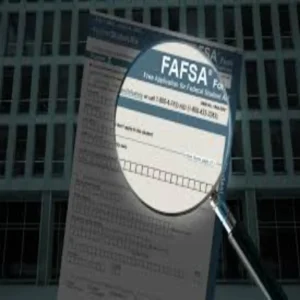
The Free Application for Federal Student Aid, commonly known as FAFSA, remains one of the most important tools for students seeking grants, loans, and scholarships. With colleges increasingly relying on updated federal aid calculations, many institutions are now encouraging families to review financial documents earlier than ever before.
Colleges Push Students to Complete FAFSA Earlier
Several universities have started urging applicants to submit FAFSA forms well ahead of traditional deadlines. Financial aid offices say early submissions can help students avoid delays in receiving aid packages, especially as institutions continue adapting to revised federal systems introduced over the past two years.
Education experts note that FAFSA completion rates often influence enrollment decisions, particularly among first-generation college students and lower-income families. According to data from the National College Attainment Network, FAFSA submissions among high school seniors saw uneven participation trends in multiple states during the last application cycle.
Many schools are now investing in outreach campaigns, workshops, and virtual counseling sessions to help families navigate the process. Public school districts in states including California, Texas, and Florida have also expanded FAFSA awareness initiatives as part of broader college readiness programs.
Rising Tuition Costs Continue to Shape Student Decisions
The latest changes arrive at a time when college affordability remains a major concern across the United States. Tuition costs at both public and private institutions have continued to rise, prompting more students to compare financial aid offers carefully before committing to a school.
Higher education analysts say families are paying closer attention to total borrowing costs, housing expenses, and scholarship availability. Some students are increasingly considering community colleges, in-state universities, and online degree programs as alternatives to reduce long-term debt.
Recent figures from the College Board show that average tuition and fees at four-year institutions remain significantly higher than they were a decade ago, even after adjusting for inflation in some categories. Financial aid experts say grants and need-based support programs are becoming increasingly important for middle-income households that may not qualify for large federal aid packages but still struggle with college expenses.
Education Advisors Warn About Common FAFSA Mistakes
Counselors and admissions specialists continue to warn students about errors that can slow down application processing or reduce eligibility for aid programs. Missing tax information, incorrect Social Security numbers, and incomplete household income details remain among the most common issues reported by financial aid offices.
Families are also being advised to monitor official FAFSA communications carefully, particularly as scams targeting students have become more common during peak application periods. The Federal Student Aid office has repeatedly reminded applicants to use only official government platforms when submitting personal information.
Some colleges have introduced dedicated support teams to help students verify documents and respond quickly to correction requests. Experts say this added support can make a significant difference for students unfamiliar with the financial aid system.
Community Colleges See Increased Interest From Families
Community colleges across the country are reporting stronger interest from students seeking affordable education pathways. Education leaders say uncertain economic conditions and concerns about student debt are contributing to this trend.
Many two-year institutions have expanded transfer agreements with major universities, allowing students to complete foundational coursework at a lower cost before moving into bachelor’s degree programs. Workforce-focused certifications in healthcare, technology, skilled trades, and business administration are also attracting more applicants.
Several states have launched tuition assistance initiatives aimed at increasing access to community college education. Programs offering free or reduced tuition for qualifying residents have gained attention as policymakers continue debating the future affordability of higher education in the United States.
Universities Expand Financial Literacy Programs
In response to growing concerns about student debt, universities are investing more heavily in financial literacy education. Colleges are offering workshops on budgeting, loan repayment, scholarship applications, and responsible borrowing strategies.
Student support offices say many incoming freshmen arrive on campus without a clear understanding of loan terms or repayment expectations. Financial literacy programs are increasingly being integrated into orientation sessions and first-year student advising.
Private scholarship providers and nonprofit organizations have also expanded online resources to help students identify funding opportunities beyond federal aid. Education experts say combining scholarships, grants, work-study programs, and lower-cost course pathways can significantly reduce borrowing needs over time.
Federal Education Policies Remain Under Close Watch
Higher education institutions are continuing to monitor discussions in Washington related to student loan repayment, Pell Grant expansion, and future federal aid reforms. Policy analysts say upcoming legislative decisions could directly affect affordability and access for millions of students nationwide.
The Department of Education has emphasized efforts to simplify aid access while improving transparency for borrowers. At the same time, colleges are working to balance enrollment goals with rising operational costs and changing student demographics.
For students preparing for the upcoming academic year, education advisors say early planning remains one of the most effective ways to reduce stress and improve financial outcomes. Families are being encouraged to compare aid packages carefully, meet institutional deadlines, and explore all available funding resources before making enrollment decisions.