U.S. Finance Sector Adjusts as Interest Rates Stay Higher for Longer
U.S. Finance – The U.S. financial landscape is entering a new phase as interest rates remain elevated, reshaping borrowing, investing, and consumer behavior across the country. After a series of aggressive rate hikes over the past two years, the Federal Reserve has signaled a cautious approach, keeping rates steady but higher than pre-pandemic levels. This shift is influencing everything from mortgage applications to credit card usage, while businesses and households recalibrate their financial strategies in response.
Why Interest Rates Are Staying Elevated in 2026
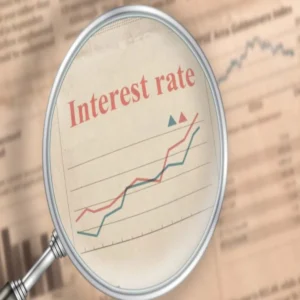
The Federal Reserve’s decision to maintain higher interest rates is largely tied to its ongoing effort to control inflation without derailing economic growth. Although inflation has cooled significantly from its 2022 peak, it still hovers slightly above the Fed’s 2% target. Policymakers have emphasized the need for patience, signaling that premature rate cuts could reignite price pressures.
Recent economic data shows a resilient labor market and steady consumer spending, both of which give the Fed room to keep rates elevated. According to the U.S. Bureau of Labor Statistics, unemployment remains near historic lows, while wage growth continues at a moderate pace. These indicators suggest that the economy can handle tighter financial conditions, at least in the short term.
Impact on Borrowing: Mortgages, Credit Cards, and Auto Loans
Higher interest rates are directly affecting borrowing costs for American consumers. Mortgage rates, which surged above 6.5% in recent months, have slowed homebuying activity and reduced refinancing opportunities. Many potential buyers are choosing to wait, leading to a cooling housing market in several regions.
Credit card interest rates have also climbed, with average APRs exceeding 20% for many consumers. This has made carrying a balance more expensive, prompting financial advisors to urge households to prioritize debt repayment. Auto loans, too, have become costlier, contributing to a slight dip in new vehicle sales.
For everyday Americans, the message is clear: borrowing is no longer cheap, and financial planning must adapt accordingly.
Savings and Investment Trends Shift in Response
While higher rates pose challenges for borrowers, they offer opportunities for savers. High-yield savings accounts and certificates of deposit (CDs) are now delivering returns not seen in over a decade. Many banks are offering interest rates above 4%, encouraging consumers to park their cash rather than spend it.
On the investment side, the stock market has shown mixed reactions. Higher rates tend to put pressure on growth stocks, particularly in the tech sector, while benefiting financial institutions like banks and insurance companies. Bond yields have also become more attractive, drawing investors seeking stable income.
Financial experts note that diversification is becoming increasingly important. As one market strategist recently told CNBC, “Investors are navigating a more balanced environment where both equities and fixed income play critical roles.”
Small Businesses Feel the Pressure
Small and medium-sized businesses (SMBs) are facing their own set of challenges in this high-rate environment. Access to affordable credit has tightened, making it more difficult to finance expansion, hire staff, or manage day-to-day operations.
Many business owners are turning to alternative funding sources or delaying major investments altogether. According to recent surveys from the National Federation of Independent Business (NFIB), a growing number of small businesses cite financing costs as a top concern.
At the same time, some sectors—particularly those tied to essential services—continue to perform well despite higher borrowing costs. This divergence highlights the uneven impact of monetary policy across the broader economy.
Consumer Behavior Shows Signs of Caution
American consumers are beginning to adjust their spending habits in response to higher interest rates and lingering economic uncertainty. Retail sales growth has moderated, and there is a noticeable shift toward value-oriented purchases.
Buy-now-pay-later (BNPL) services have seen increased usage, particularly among younger consumers, as they look for ways to manage cash flow without incurring high credit card interest. However, financial experts warn that overreliance on such tools could lead to future financial strain if not managed carefully.
At the same time, household savings rates have shown a slight uptick, suggesting that consumers are becoming more cautious and prioritizing financial security over discretionary spending.
What This Means for the U.S. Economy Going Forward
The persistence of higher interest rates is expected to shape the U.S. economy well into 2026. While the risk of a severe recession has diminished, slower growth appears likely as both consumers and businesses adapt to tighter financial conditions.
Economists widely believe that the Fed’s next moves will depend on incoming data, particularly inflation and employment figures. If inflation continues to trend downward, gradual rate cuts could be on the horizon. However, any such shift is expected to be measured rather than aggressive.
In the meantime, financial discipline is becoming a key theme across the economy. Households are reassessing budgets, businesses are prioritizing efficiency, and investors are taking a more balanced approach to risk.
The current environment marks a significant departure from the ultra-low interest rate era that defined the past decade. As the U.S. adjusts to this new reality, adaptability and informed decision-making will be crucial for navigating the evolving financial landscape.
Interest rates, Federal Reserve, US economy, mortgage rates, credit cards, inflation, financial markets, consumer spending, savings accounts, small business finance, investment trends, bond yields, housing market, economic outlook,