
US Loan Market Sees Tighter Lending Standards Amid Economic Uncertainty
US Loan Market – The U.S. loan market is entering a cautious phase in 2026 as lenders tighten standards while borrowers navigate higher interest rates and evolving financial conditions. From mortgages and personal loans to small business financing, recent data shows a noticeable shift in how credit is being issued and managed. Financial institutions are responding to a mix of inflation concerns, Federal Reserve policy signals, and changing borrower behavior, all of which are reshaping the lending landscape across the country.
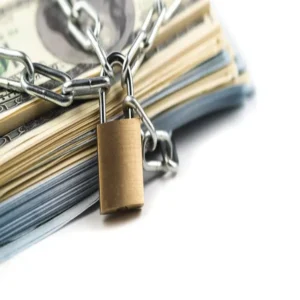
Borrowing Costs Remain Elevated Across Key Loan Categories
Interest rates for various loan products continue to remain higher than pre-pandemic levels, affecting affordability for millions of Americans. Mortgage rates, which surged sharply over the past two years, are still hovering near multi-year highs, making homeownership less accessible for first-time buyers. Similarly, personal loan rates and credit card APRs have stayed elevated, reflecting the Federal Reserve’s ongoing effort to control inflation.
Auto loans have also become more expensive, with average monthly payments rising significantly due to both higher vehicle prices and increased financing costs. According to recent industry reports, the average interest rate on new auto loans has crossed 7%, a level not seen in over a decade. These trends are forcing borrowers to reconsider large purchases or seek alternative financing options.
Banks Tighten Lending Standards as Risk Concerns Grow
Lenders across the U.S. are becoming more selective about who qualifies for loans, particularly in the face of economic uncertainty. The Federal Reserve’s Senior Loan Officer Opinion Survey indicates that a growing number of banks have tightened credit standards for both consumers and businesses. This includes stricter credit score requirements, higher income verification thresholds, and more conservative loan-to-value ratios.
Financial institutions are also increasing scrutiny on borrowers’ debt-to-income ratios, aiming to reduce the risk of defaults. This shift is especially noticeable in unsecured lending, where risk levels are typically higher. While these measures are designed to protect lenders, they may limit access to credit for some consumers, particularly those with lower credit scores or irregular income streams.
Demand for Personal Loans and Debt Consolidation Rises
Despite tighter standards, demand for personal loans remains strong, especially among consumers looking to consolidate high-interest debt. With credit card balances reaching record levels in the U.S., many borrowers are turning to personal loans as a way to manage repayments more effectively.
Debt consolidation loans often offer lower interest rates compared to credit cards, making them an attractive option for individuals seeking financial relief. Online lenders and fintech platforms have played a key role in meeting this demand, offering faster approval processes and more flexible terms. However, experts caution that borrowers should carefully review loan terms, including fees and repayment schedules, before committing.
Small Business Lending Faces Mixed Outlook in 2026
Small businesses in the U.S. are experiencing a mixed lending environment as access to credit varies by sector and lender type. Traditional banks have become more cautious in extending loans to small enterprises, particularly those in industries vulnerable to economic fluctuations. At the same time, alternative lenders and government-backed programs are stepping in to fill the gap.
The Small Business Administration (SBA) continues to play a critical role in supporting entrepreneurs through loan guarantee programs. Recent updates to SBA lending guidelines aim to streamline application processes and expand access to underserved communities. Still, higher borrowing costs and stricter eligibility criteria remain key challenges for small business owners seeking capital.
Digital Lending Platforms Gain Momentum Among Consumers
The rise of digital lending platforms is transforming how Americans access loans. Fintech companies are leveraging technology to offer quicker approvals, simplified applications, and more transparent terms. These platforms are particularly appealing to younger borrowers who prefer digital-first experiences and value convenience.
Many online lenders use alternative data sources, such as payment history and banking activity, to assess creditworthiness. This approach can benefit individuals with limited credit histories, although it also raises concerns about data privacy and regulatory oversight. As digital lending continues to grow, regulators are closely monitoring the sector to ensure consumer protection standards are maintained.
Outlook Points to Gradual Stabilization with Ongoing Challenges
Looking ahead, analysts expect the U.S. loan market to gradually stabilize, though challenges are likely to persist. Much will depend on the trajectory of interest rates and broader economic conditions. If inflation continues to ease, there may be room for modest rate reductions, which could improve borrowing conditions.
At the same time, lenders are expected to maintain a cautious approach, focusing on risk management and portfolio quality. For borrowers, this means navigating a more complex lending environment where preparation and financial discipline are increasingly important.
Financial experts emphasize the importance of maintaining a strong credit profile, understanding loan terms, and avoiding over-leveraging. As the lending landscape continues to evolve, informed decision-making will remain key to achieving financial stability in an uncertain economic climate.