Global Loan Market 2025: Countries Introduce New Borrowing Policies, Lower Interest Programs, and Digital Lending Reforms
World Bank, IMF, and Major Economies Announce Coordinated Efforts to Support Borrowers, Strengthen Banks, and Boost Global Credit Stability
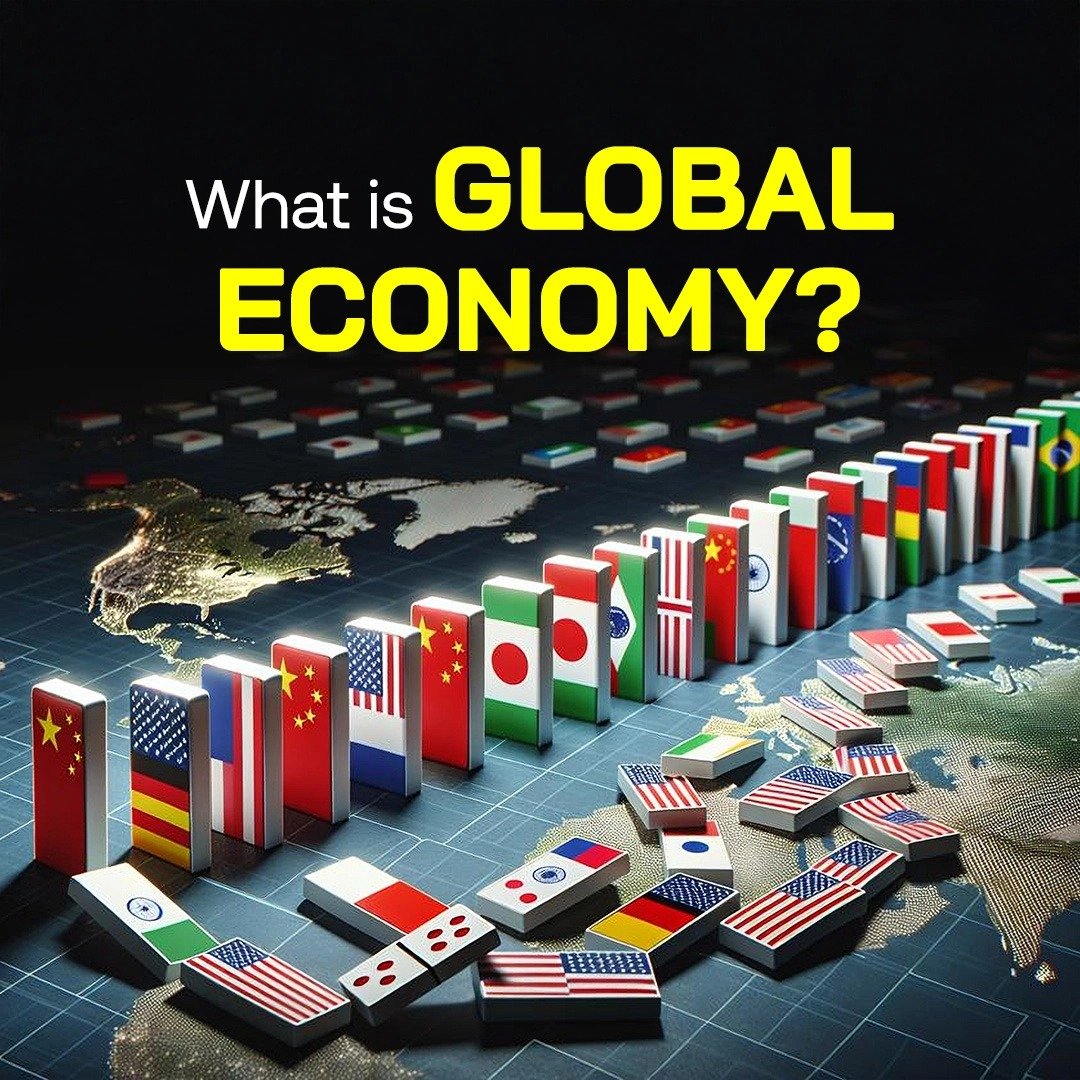
The global loan market in 2025 is undergoing a dramatic transformation as countries worldwide roll out new lending reforms to address rising borrowing costs, economic uncertainty, and increased financial pressure on households and businesses. From North America and Europe to Asia, Africa, and the Middle East, governments and financial regulators are implementing strategies to stabilize credit markets and promote economic resilience.
International bodies such as the World Bank, International Monetary Fund (IMF), OECD, and G20 are working closely with national governments to enhance credit accessibility, regulate digital lending, and support vulnerable borrowers.
Why the Global Loan Market Is Shifting in 2025
Several global factors have contributed to major changes in borrowing systems:
-
Persistent inflation in major economies
-
Higher interest rates driven by central bank policies
-
Housing affordability crises worldwide
-
Student debt burdens rising across regions
-
Cash flow challenges for SMEs
-
Slow global economic recovery
-
Increased digitalization and fintech expansion
These challenges prompted countries to modernize their lending rules, ensuring that loans remain fair, accessible, and responsibly managed.
Global Trends Shaping the Loan Landscape in 2025
1. Global Push for Lower Interest Rate Support
As high interest rates strain borrowers worldwide, many governments are introducing interest relief programs.
Examples include:
-
United States: Expanded refinancing programs and lower federal student loan rates.
-
United Kingdom: Targeted mortgage relief for first-time buyers.
-
Canada: Temporary interest reduction on mortgages for low- and middle-income households.
-
Australia: Government-backed schemes for first-home buyers and SME loans.
-
India: Subsidized housing loans under the PMAY program.
These efforts aim to reduce financial stress and stimulate economic activity.
2. Digital Lending Becomes the Global Standard
The digital revolution is reshaping lending faster than ever. Fintech companies are now competing directly with banks using AI-driven credit systems.
Key global trends:
-
Instant online loan approvals
-
AI-based credit scoring models
-
Digital ID verification for faster lending
-
Blockchain-based loan contracts
-
Mobile-first banking services
Countries like Singapore, South Korea, UAE, and the U.S. are leading the digital lending transformation.
3. Global Governments Target Predatory Lending
Predatory lending and high-interest short-term loans continue to harm vulnerable populations. In 2025, many countries introduced stricter rules.
Notable examples:
-
EU: Caps on payday loan interest rates
-
South Africa: Stronger borrower rights laws
-
United States: Crackdown on hidden loan fees
-
Philippines & Indonesia: Regulation of online lending apps
-
Kenya & Nigeria: New oversight for digital lenders
The goal is to protect borrowers and promote ethical lending globally.
4. Major Boost to SME Financing
Small and medium enterprises (SMEs) are the backbone of global economic growth. Governments are expanding credit programs to support entrepreneurs.
Key initiatives worldwide:
-
Government loan guarantees for SMEs
-
Low-interest startup loans
-
Microfinance expansion in developing countries
-
Special loans for women-led and youth-led entrepreneurs
-
Disaster recovery loan programs
Countries from Japan to Brazil and Germany to Kenya are increasing funding to support small businesses.
5. Housing Loan Reforms Across the World
The global housing crisis has pushed governments to redesign mortgage systems.
Trends include:
-
Longer mortgage amortization periods
-
Down payment assistance programs
-
Lower-interest national housing schemes
-
Government-backed mortgage insurance
-
Affordable housing loan grants
The U.S., Canada, UK, Australia, India, and UAE are among the countries making major housing loan policy changes.
6. Student Loan Relief and New Education Financing Policies
Rising education costs have triggered worldwide student loan reforms.
2025 updates include:
-
Lower interest rates on government student loans
-
Higher repayment thresholds
-
Loan forgiveness for essential workers
-
Zero-interest periods during unemployment
-
Global scholarships and exchange program funding
Countries like Germany, Netherlands, Japan, Canada, and New Zealand are focusing on reducing long-term student debt.
Impact on Global Borrowers in 2025
Borrowers worldwide are experiencing mixed but largely positive impacts.
Lower Borrowing Costs
Interest relief programs are reducing the burden on:
-
Homeowners
-
Students
-
Small business owners
-
Personal loan borrowers
More Access to Credit
Digital lending platforms make borrowing faster and more accessible, even in rural areas.
Greater Protection
Stricter global regulations help borrowers avoid:
-
Hidden fees
-
Very high-interest loans
-
Unethical lending apps
-
Misleading advertisements
Better Loan Flexibility
Borrowers can now benefit from:
-
Extended repayment periods
-
Restructured loan options
-
Government-backed refinances
Impact on Global Banks and Financial Institutions
Banks worldwide are being reshaped by global loan reforms.
Opportunities
-
Increased loan demand
-
Lower default risk
-
Higher digital lending efficiency
-
New markets are emerging in developing countries
Challenges
-
Stricter regulations
-
Higher cybersecurity costs
-
Competition from fintech platforms
-
Need for digital infrastructure upgrades
Despite challenges, financial analysts believe these reforms strengthen global financial stability.
International Organizations Driving Loan Reforms
World Bank
Funding low-interest loans for developing nations.
IMF
Offering financial stability programs and policy support.
OECD
Advising on best lending practices.
G20
Coordinating global credit, financial inclusion, and debt restructuring.
These organizations are helping countries reshape their credit markets and support vulnerable borrowers.
Future Forecast for the Global Loan Market (2025–2030)
Financial experts predict:
-
Massive global fintech expansion
-
Increased cross-border lending partnerships
-
Global digital identity systems for instant verification
-
Sustainable lending programs linked to climate goals
-
Greater financial inclusion in emerging markets
By 2030, global lending is expected to be more digital, transparent, and accessible than ever before.