U.S. Financial Markets Show Strong Resilience as New Economic Policies Boost Investor Confidence
In a significant development for the American economy, U.S. financial markets are demonstrating notable stability and resilience despite global uncertainties. Driven by fresh policy measures, improving labor market data, and renewed investor optimism, the United States is entering a promising financial phase that analysts believe could shape the economic outlook for the coming year.
Federal Reserve Signals Gradual Interest Rate Adjustments
The Federal Reserve has indicated that it may adopt a more measured approach to interest rate adjustments in the months ahead. After multiple rate hikes aimed at controlling inflation, the central bank is now shifting toward a balanced strategy that supports both economic growth and price stability.
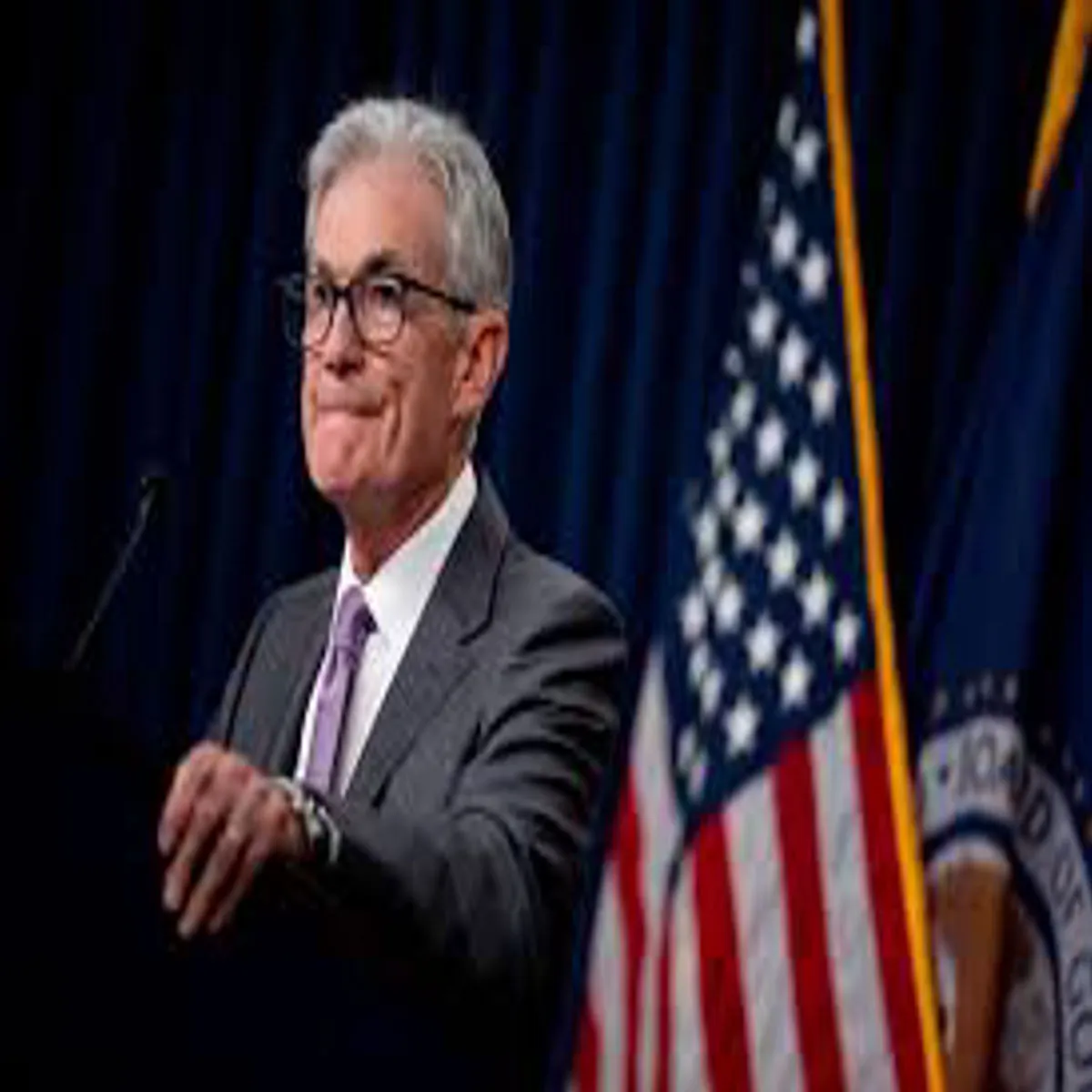
Federal Reserve Chair Jerome Powell said,
“Inflation is easing at a steady pace, and our focus is now on maintaining financial stability without compromising long-term growth.”
This update has been welcomed by investors who feared further aggressive rate increases. As a result, U.S. stock indexes saw an immediate positive reaction.
Wall Street Witnesses Strong Weekly Gains
Following the Fed’s announcement, major U.S. stock indices registered solid gains. The S&P 500 climbed by 1.8%, while the Dow Jones Industrial Average gained nearly 400 points during the week. The Nasdaq Composite also saw a notable rise due to renewed interest in tech stocks.
Technology giants like Apple, Microsoft, and Nvidia posted sharp recoveries as investors regained confidence in long-term tech sector growth. Market analysts credit the rebound to easing inflation pressures and increased corporate spending.
Consumer Spending Remains Robust
Despite concerns over inflation, American consumer spending continues to show strength. Recent data reveals that retail sales have increased across major categories such as electronics, groceries, automobiles, and home improvement products.
Economists believe that strong wage growth, coupled with a stable job market, is helping households manage rising living costs. This steady consumer activity is playing a crucial role in supporting the U.S. economy and preventing any major slowdown.
Housing Market Sees Signs of Revival
The U.S. housing market, which experienced significant volatility over the past two years, is showing early signs of recovery. With mortgage rates expected to stabilize, more first-time homebuyers are returning to the market.
Real estate experts note that:
-
New housing construction projects are increasing
-
Home inventory levels are improving
-
Rental prices are stabilizing in major cities
-
Government-backed housing assistance programs are expanding
These developments signal a healthier and more balanced housing sector for 2025.
Job Market Growth Strengthens Economic Outlook
The job market continues to outperform expectations. U.S. employers added more than 250,000 jobs last month, marking one of the strongest employment months of the year. Sectors showing the most growth include healthcare, hospitality, technology, and renewable energy.
Unemployment rates remain near historic lows, further supporting consumer confidence and business investment.
Labor Department officials have noted that job openings remain high, indicating strong demand for skilled workers across the country.
Small Businesses Gain Momentum with New Tax Incentives
Small and medium-sized businesses (SMBs) are receiving a major boost from recently introduced tax incentives and federal grants. These incentives include:
-
Tax cuts for equipment purchases
-
Low-interest business loans
-
Grants for digital transformation
-
Special support for minority-owned enterprises
Entrepreneurs across the United States are welcoming these changes, stating that the new policies will help drive innovation and job creation at the local level.
U.S. Dollar Shows Mixed Performance in Global Markets
In international currency markets, the U.S. dollar has shown mixed performance. While it has strengthened against the yen and euro, it has weakened slightly against emerging market currencies.
Economists attribute these fluctuations to shifting global economic conditions, geopolitical tensions, and varying monetary policies among major countries.
However, the overall demand for the dollar remains strong due to the stability of the U.S. economy.
Cryptocurrency Sector Records Growing Interest from U.S. Investors
In addition to traditional financial markets, the cryptocurrency sector is witnessing increased engagement from American investors. Bitcoin and Ethereum have both experienced moderate gains, driven by improved investor sentiment and rising institutional involvement.
Financial analysts say that U.S.-based crypto ETFs and improved regulatory clarity are encouraging more investors to explore digital assets as part of a diversified financial strategy.
Government Prioritizes Inflation Control and Economic Stabilization
The U.S. government has reaffirmed its commitment to stabilizing the economy by prioritizing inflation control, supporting employment, and encouraging domestic manufacturing.
Key initiatives include:
-
Expanding clean energy production
-
Strengthening supply chain resilience
-
Incentivizing American-made products
-
Increasing funding for infrastructure projects
These measures are designed to boost long-term economic sustainability and reduce dependence on foreign supply chains.
Future Outlook: Slow but Steady Growth Expected
Economists predict that the U.S. will continue to see slow but steady economic growth over the next two years. While challenges such as global geopolitical tensions, supply chain disruptions, and climate risks remain, the United States is well-positioned to navigate uncertainties.
Strong market fundamentals, an active labor force, steady consumer spending, and supportive government policies collectively create a positive outlook for 2025.
Conclusion: A Strengthening U.S. Financial Landscape
The current financial developments reflect a resilient and adaptable U.S. economy. With improving inflation data, strong job numbers, a recovering housing market, and increased investor confidence, the United States appears to be entering a period of financial stability and sustainable growth.
Businesses, investors, and policymakers remain cautiously optimistic as the economy continues to gain momentum.